
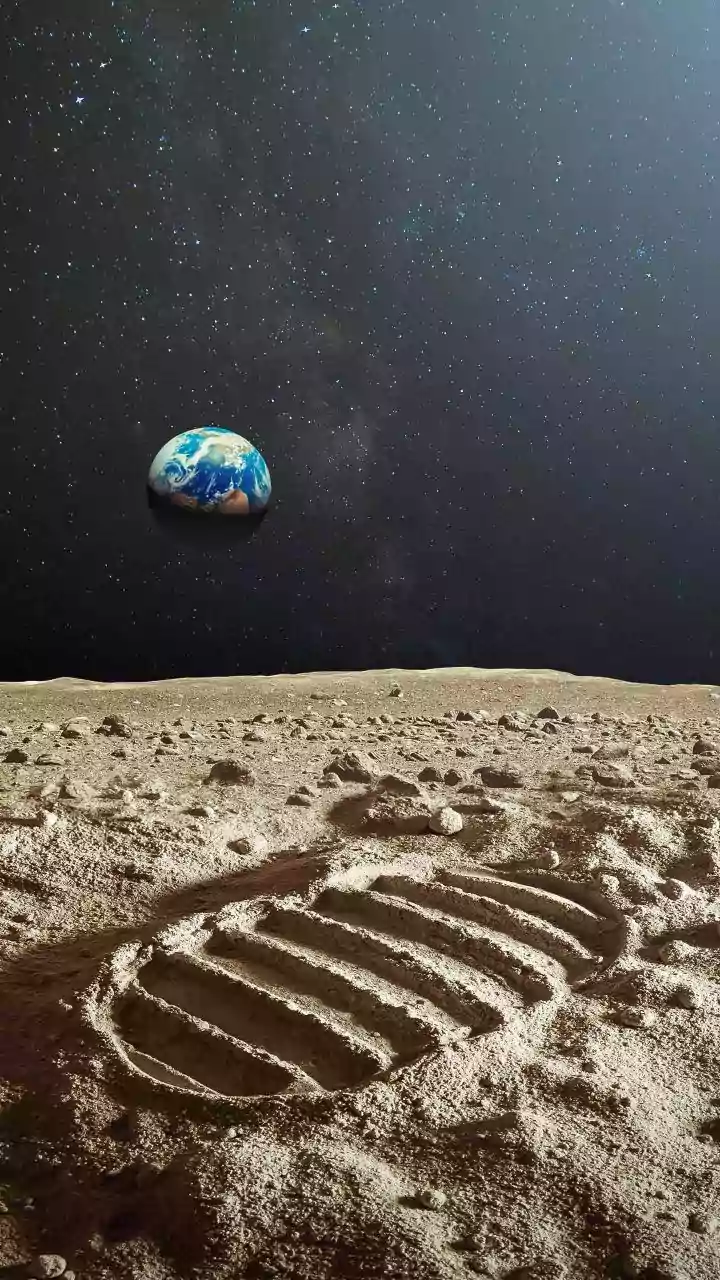
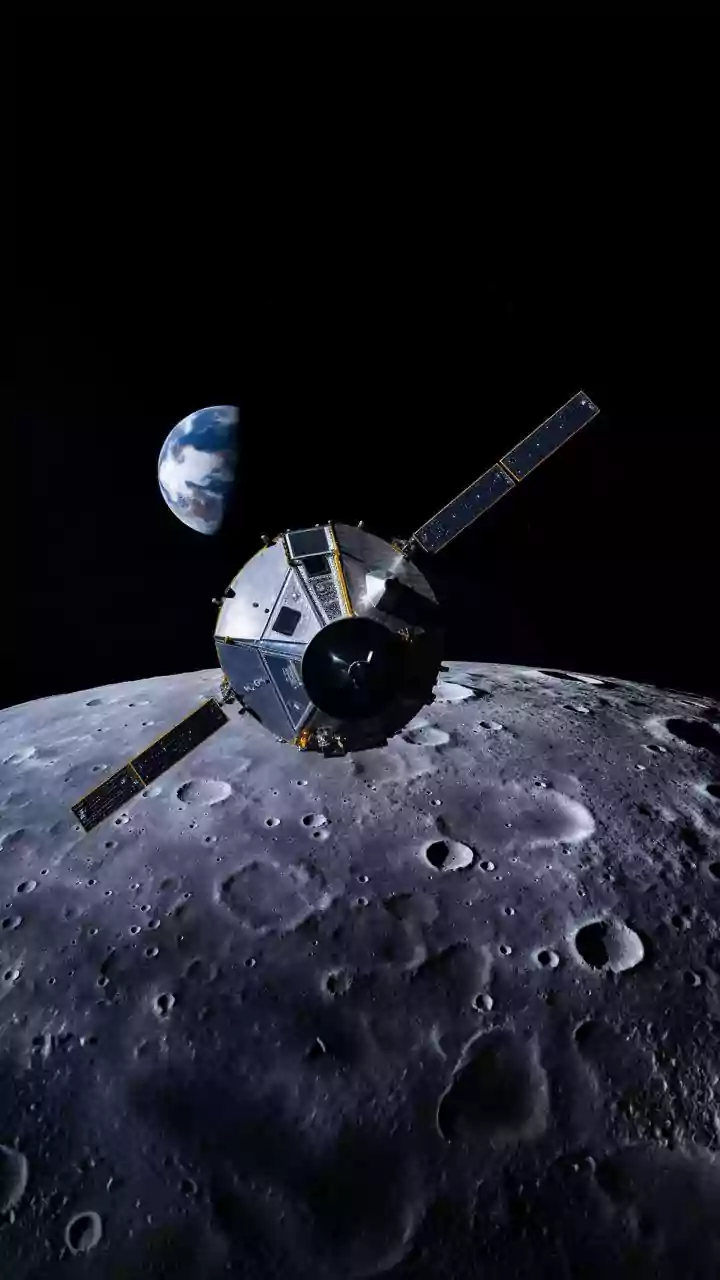
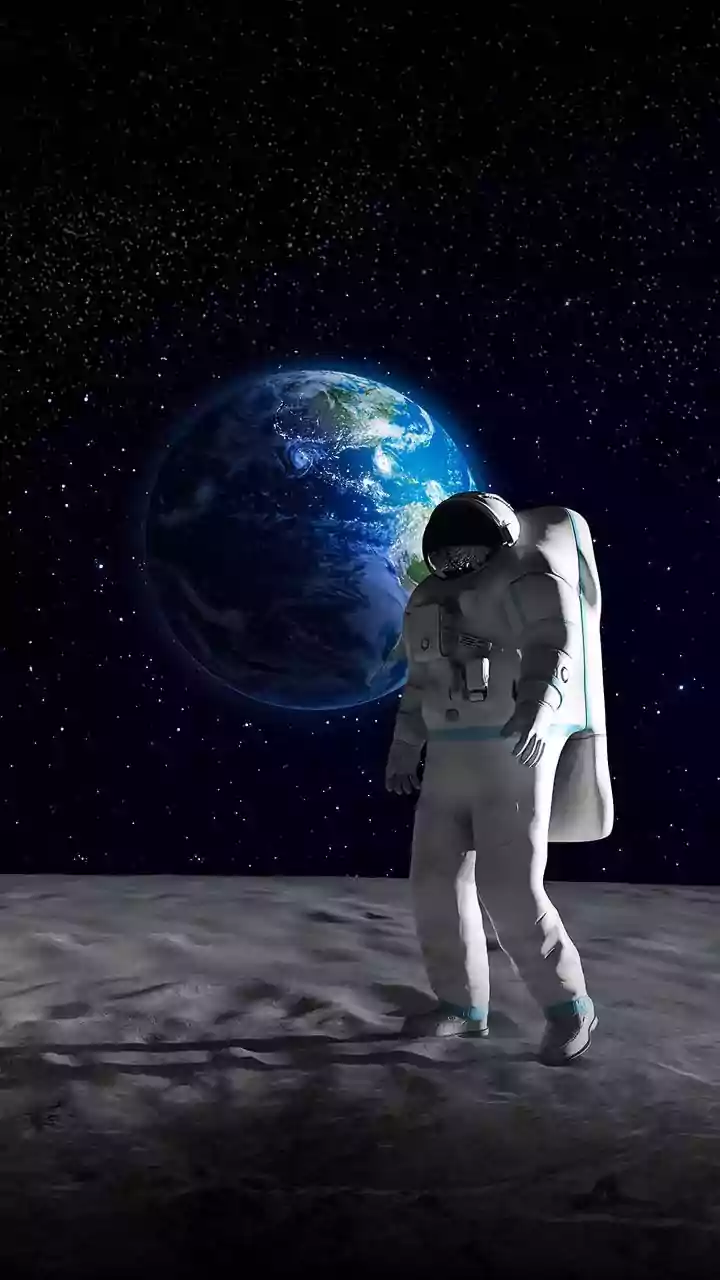


Have you ever dreamt of contributing to humanity's next giant leap in space? NASA is turning to the next generation of innovators, inviting students to help design a sustainable human presence on the Moon. This is your chance to be part of the Artemis
generation.
The Grand Challenge: Building a Moon Base
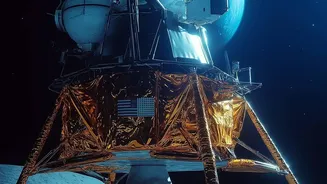
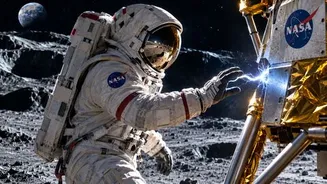
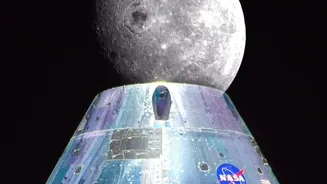
As part of its Artemis program, NASA is planning to do more than just plant a flag on the Moon; the goal is to build a long-term, sustainable outpost at the lunar South Pole. This 'Moon Base' will serve as a hub for science, exploration, and learning how to live and work on another world before venturing to Mars. To make this a reality, NASA needs fresh, innovative ideas to solve the complex engineering problems of living in an extreme environment. The agency has launched initiatives like the 'Moon Base Challenge' and the 'BIG Idea Challenge', calling on student teams to tackle some of the most critical hurdles to establishing this off-world settlement.
Six Key Problems to Solve
These challenges aren't just about designing a habitat. They focus on the practical, unglamorous work required to keep a lunar outpost running. Student teams are asked to develop concepts across six core areas. The first is power generation and storage, essential for surviving the long, cold lunar nights. Second is construction, figuring out how to build structures using local materials. Third, life-support systems are needed to provide breathable air and clean water. The other categories include surface mobility for transporting astronauts and cargo, robust communications networks for connecting with Earth, and innovative solutions for astronaut safety in the harsh lunar environment.
Can Indian Students Participate?
This is often the most pressing question for aspiring innovators in India. While some prominent NASA challenges, such as the Moon Base Challenge and Lunabotics, are primarily aimed at students enrolled in U.S. institutions, there are several pathways for Indian students to get involved. The NASA International Space Apps Challenge is a global hackathon that is explicitly open to participants from India, with both virtual and local events held in the country. Furthermore, other competitions like the Human Exploration Rover Challenge (HERC) are also open to international student teams, and Indian students have a history of success in these events. For those pursuing higher studies, enrolling in U.S. universities with strong NASA affiliations or participating in ISRO-NASA collaborations can open doors to internships and research opportunities.
How to Get Involved
Participating in a NASA challenge is a significant undertaking, often spanning several months. Typically, the first step is to form a team, usually with a faculty advisor. The team then develops a detailed proposal outlining their concept, which is submitted through an official portal like the NASA STEM Gateway. If selected as finalists, teams often receive funding to develop and test their prototypes. These challenges culminate in a final presentation or demonstration to a panel of NASA and industry experts. The process is designed to mirror real-world engineering projects, complete with design reviews, documentation, and rigorous safety standards.
More Than Just a Competition
The value of participating extends far beyond winning an award. These challenges offer an unparalleled, hands-on learning experience that is highly valued in the aerospace industry. Students gain practical skills in engineering, project management, and teamwork while tackling problems at the forefront of space exploration. It's a chance to network with NASA experts, showcase talent on a global stage, and build a resume that stands out. For Indian students, it is also an opportunity to contribute to a grand human endeavor, representing the nation's growing prowess in science and technology and potentially inspiring the next generation of engineers and scientists back home.