

The Science of Smoothness
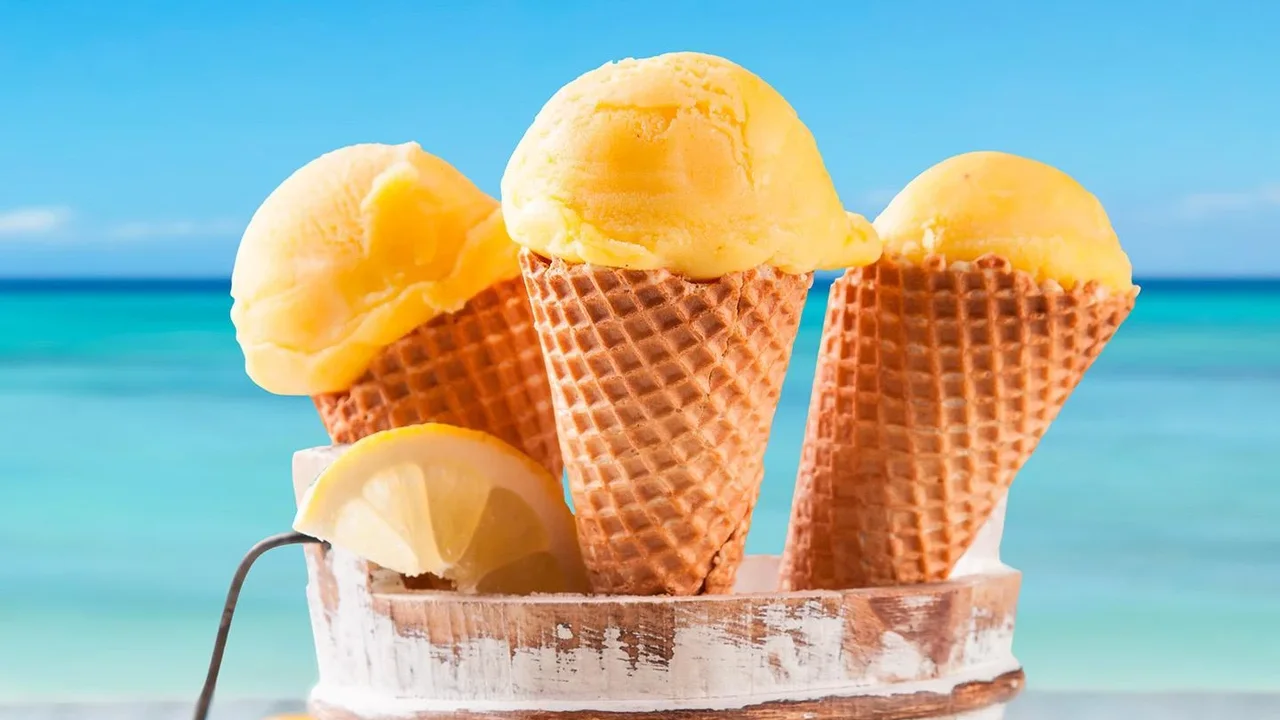
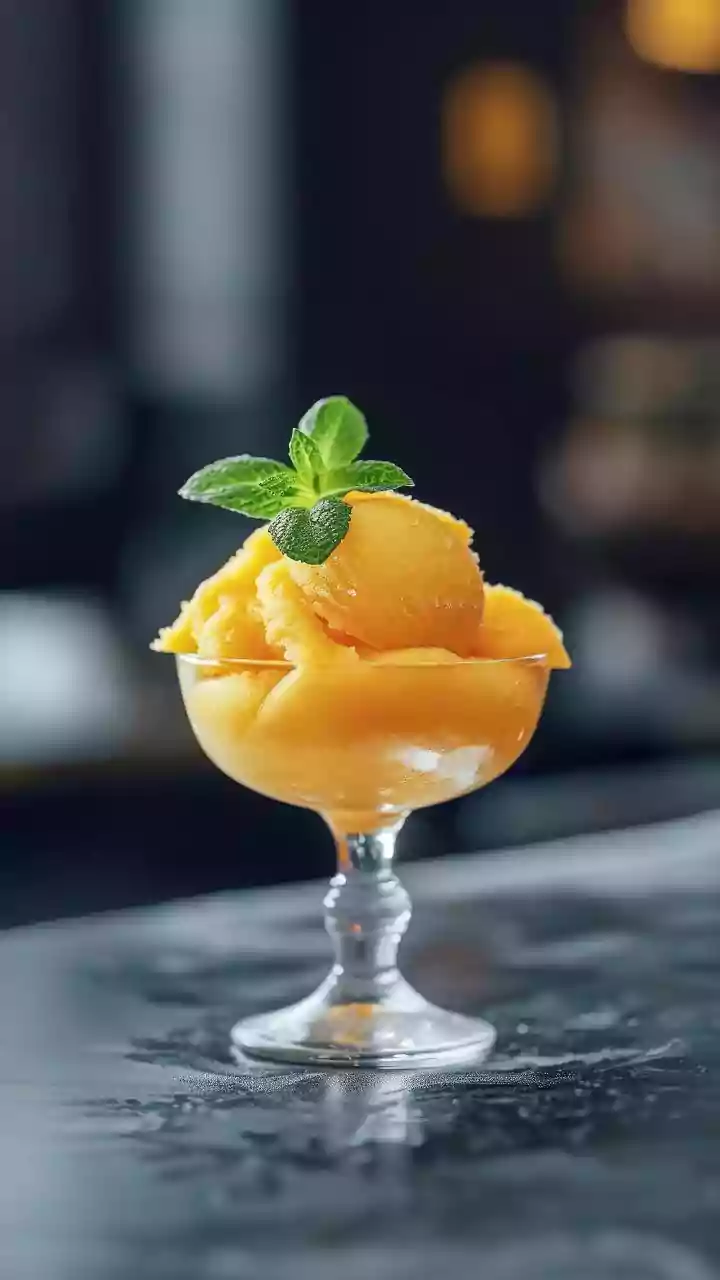
At its core, sorbet is a simple mixture of fruit and sweetened water. Yet anyone who has attempted it knows the fine line between creamy perfection and an icy, solid block. The secret to a scoopable, smooth texture lies not just in the sugar, but in how
it's incorporated. Creating a simple syrup by dissolving sugar in water is a non-negotiable first step. This process does more than just sweeten; it fundamentally changes the physics of the mixture. Sugar molecules get in the way of water molecules, preventing them from neatly lining up and forming large, crunchy ice crystals. In essence, sugar acts as a natural antifreeze, lowering the freezing point of the liquid. This is why the concentration of sugar is so critical. The ideal sorbet base should contain between 20-30% sugar. Too little, and you get a coarse, icy texture. Too much, and your sorbet will be a soupy, overly sweet mixture that refuses to freeze properly.
More Than Just Sweetness
Using a simple syrup—typically a 1:1 ratio of sugar and water—ensures this sugar is evenly distributed throughout the fruit purée, guaranteeing a uniform texture. While granulated sugar can be used, a syrup integrates more seamlessly, especially with high-pectin fruits like berries, peaches, and pears, which already provide some natural body. Some recipes even call for corn syrup or glucose, which are less sweet than table sugar but excellent at preventing crystallisation and adding viscosity, particularly for thin, watery juices from fruits like watermelon or citrus. By turning your sugar into a syrup first, you are giving your sorbet base the structural integrity it needs to churn into a velvety, luxurious dessert rather than a block of sweetened ice.
The Power of an Acidic Pop
If sugar syrup is the body of the sorbet, lemon juice is its soul. Its role extends far beyond simply adding a sour note. A splash of acid is crucial for balancing the intense sweetness required for the right texture. Without it, even a perfectly smooth sorbet can taste flat and cloying. Lemon juice acts as a flavour enhancer, making the primary fruit taste more vibrant and pronounced. Think of it as the culinary equivalent of turning up the brightness on a photograph; suddenly, all the other colours pop. This is because cold temperatures tend to dull our perception of flavour, especially sweetness. The acidity from the lemon juice cuts through this effect, ensuring the sorbet tastes as bright and refreshing on the tongue as its ingredients promise.
Achieving the Perfect Harmony
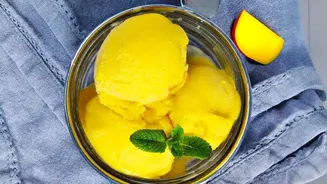
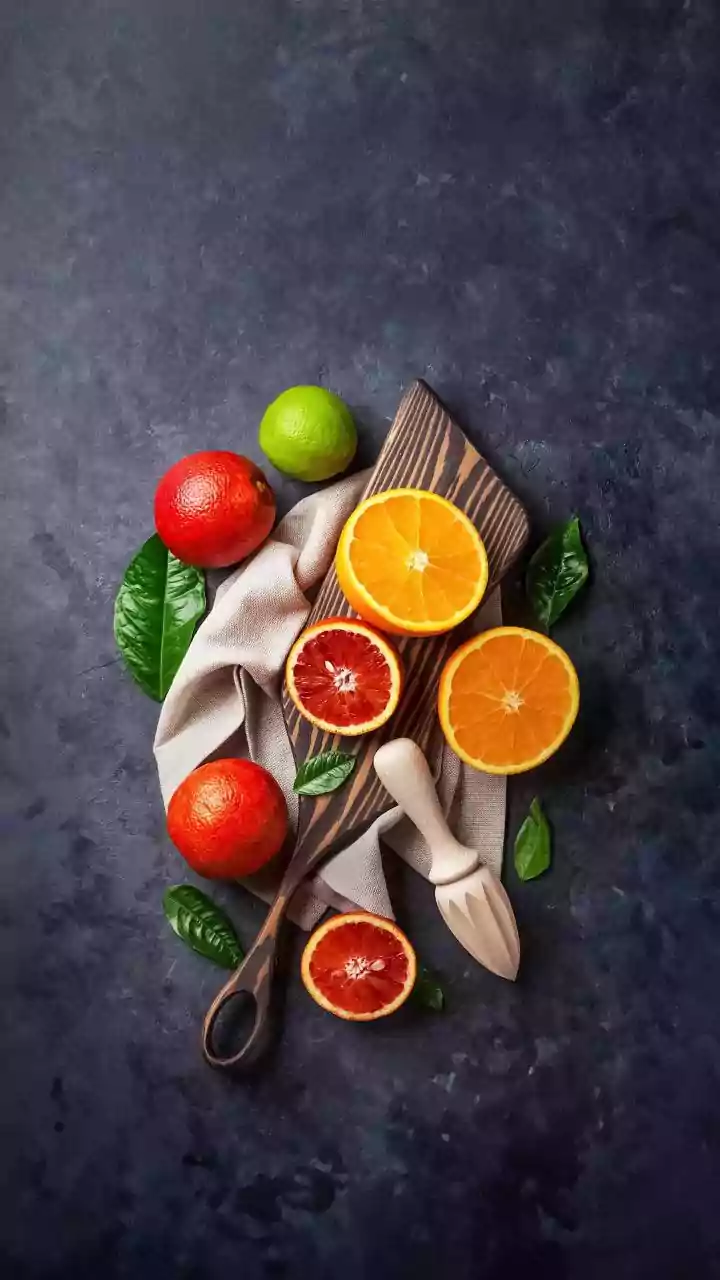
The interplay between the sugar syrup and the lemon juice is where the true art of sorbet making lies. The syrup builds the foundation—a smooth, scoopable texture—while the lemon juice provides the essential counterbalance that makes it delicious. For fruits that are naturally high in acid, like citrus, less additional lemon juice may be needed. For low-acid, very sweet fruits like mango or banana, a generous squeeze is essential to prevent the final product from being one-dimensional. The golden rule is to taste your sorbet base before you churn it. It should taste slightly too sweet and a little too tart. Remember, the freezing process will mute both of these sensations, so you need to overshoot the mark slightly at room temperature to land on perfection when it’s frozen. This simple taste test is the final check to ensure your scientific foundation translates into a sensational dessert.