







The Net: Stability is Everything
The single biggest frustration in casual badminton is a droopy, unstable net. Cheap sets with thin poles and no support will sag in the middle, ruining the game. For 2026, the standard for a good backyard experience is a portable set with steel or thick
aluminum poles. Look for systems that include guide ropes and ground stakes to create tension and keep the net taut, even in a light breeze. Many quality sets, like those from Franklin Sports or Baden, are designed with this stability in mind. Some even include an anti-sag winch system. If you play on a driveway or hard surface, a freestanding base is a great alternative, offering setup in minutes without needing to hammer stakes into the ground.
The Shuttlecock: Durability Over Delicacy
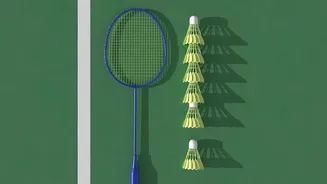
While professional players use delicate goose-feather shuttlecocks for their superior flight, these are a poor choice for the backyard. They are fragile, expensive, and perform terribly in wind or humidity. For outdoor play, durable nylon (or plastic) shuttlecocks are the undisputed champion. They are built to withstand imperfect hits and rougher surfaces, last significantly longer, and offer a more predictable flight in breezy conditions. For casual family fun, the consistency and cost-effectiveness of nylon shuttles make them the only practical choice.
The Rackets: Go for Forgiving, Not Fussy
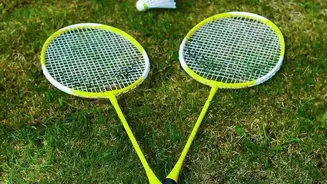
You don't need a high-performance racket for a friendly backyard match. In fact, overly specialised equipment can be a disadvantage for beginners. What matters most for casual play is a durable, lightweight, and forgiving racket. Look for models with steel or aluminum frames, which hold up better to the occasional scrape on the ground. While professionals debate head-heavy versus head-light balances, a simple even-balanced racket is perfect for all-around play. Sets from brands like Franklin or Wilson often include four perfectly suitable steel-frame rackets, ensuring you have enough for a game of doubles.
The Space: Embrace Imperfection
A regulation badminton court is over 40 feet long, a luxury most backyards don't have. Don't let that stop you. What matters is creating a playable space, not a perfect one. A relatively flat patch of grass around 30 feet long and 15 feet wide is more than enough for a fantastic game. Don't worry about drawing precise lines; use garden hoses, shoes, or natural lawn features as boundaries. The goal is to get a rally going, and adapting to a slightly uneven or smaller court is part of the charm of playing at home.
The Rules: Keep It Simple
Official badminton rules can be complex, with specific service boxes and fault regulations. For a backyard game, simplify them to maximize fun. Agree on the boundaries before you start and decide on a simple scoring system, like playing to 15 or 21 points. A popular house rule is to allow one "do-over" per serve to keep the game flowing. The priority should be long, enjoyable rallies, not strict officiating. The less time you spend debating rules, the more time you'll spend playing.
The Mindset: It’s About Connection, Not Competition
Ultimately, the single most important thing in backyard badminton isn't the gear or the score—it's the experience. Badminton has seen a surge in popularity as a recreational and social activity because it's accessible, active, and fun for all ages. It's a chance to get outside, share some laughs, and connect with family and friends. So, while a taut net and a durable shuttlecock certainly help, the best games are the ones filled with good sportsmanship and plenty of smiles. That's what truly matters most.