







Win the War Against Moisture
High humidity is the biggest challenge during the monsoon, creating ideal conditions for food to spoil and mould to grow. The most important step is to transfer all dry goods into airtight containers. This includes staples like flour, rice, dals, spices,
biscuits, and sugar, which can quickly absorb moisture and become lumpy or stale. Using glass or high-quality plastic jars with tight seals is crucial. For spices, consider lightly roasting them before storing to reduce moisture and enhance their shelf life. An old trick for pantry shelves is to place natural moisture absorbers like dried neem leaves or small pouches of rock salt in the corners to combat dampness.
Stock Your Pantry Smartly
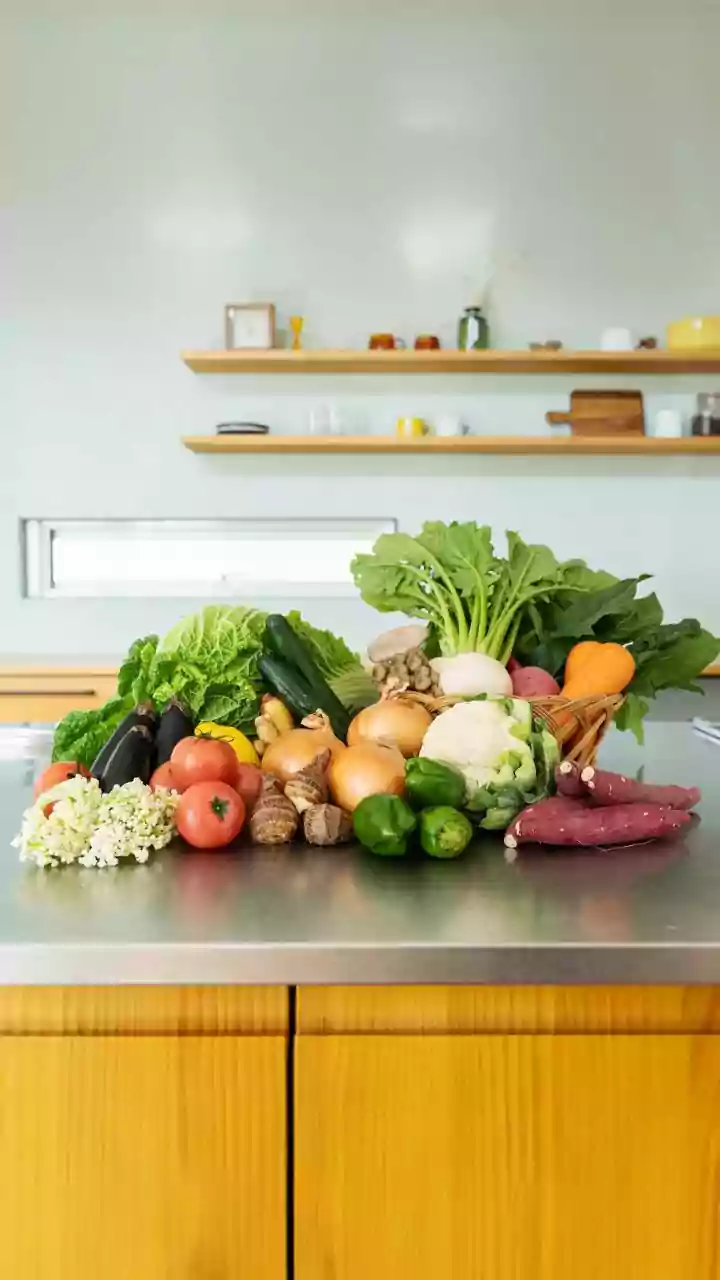
A well-stocked pantry is your best friend. Focus on staples that have a long shelf life. Lentils and pulses are excellent sources of plant-based protein that are easy to store. Instead of relying heavily on leafy green vegetables, which spoil quickly and can carry more contaminants during this season, stock up on gourds, pumpkins, and yams. If you do buy leafy greens, make sure to wash them thoroughly and dry them completely before refrigeration. Cooking in smaller batches is also advisable, as leftovers can spoil more quickly in the humid environment.
Mastering Meal Prep: Breakfast and Snacks
Planning your meals can save you significant time and effort. For breakfast, simple and quick options like poha, upma, or sprouted moong chaat are excellent choices. You can prepare the base for these dishes in advance. For sprouted moong, soak the beans and allow them to sprout, then steam them for a couple of minutes to kill any surface bacteria before storing them in the fridge for a quick, no-cook snack. Other healthy snacks include roasted makhana (fox nuts) or homemade corn bhel. Having these ready prevents reaching for unhealthy fried street food, which can be a higher risk during the monsoon.
The Magic of Make-Ahead Dinner Bases
One of the most effective meal prep strategies for Indian cooking is to prepare a large batch of an onion-tomato gravy base over the weekend. This versatile base is the foundation for countless curries, from chole masala to paneer butter masala. Simply caramelise a large quantity of onions, add ginger, garlic, and tomato puree, and cook it down until thick. You can then cool it and store it in the refrigerator for a week or freeze it in ice cube trays for longer use. On a busy weekday, you just need to add your vegetables or protein to this pre-made base, and your dinner is ready in a fraction of the time.
Boost Your Immunity Through Diet
The monsoon season is often associated with a rise in infections, making it a good time to focus on immunity-boosting foods. Incorporate ingredients with anti-inflammatory and antibacterial properties into your daily meals. Ginger, garlic, and turmeric are staples in Indian kitchens that are known for their health benefits. You can add them generously to your curries, soups, and teas. Vitamin C-rich foods like amla, lemons, and oranges are also great for supporting your immune system. Drinking warm, freshly prepared soups and herbal teas made with ingredients like tulsi and ginger can be both comforting and beneficial for your health.
Prioritise Kitchen Hygiene
Maintaining kitchen hygiene is paramount during the rains. The increased moisture makes surfaces a breeding ground for germs. Wipe down countertops and cutting boards regularly, preferably with a disinfectant. Pay special attention to the kitchen sink and drains, cleaning them frequently to prevent germ buildup. Ensure that kitchen towels and sponges are completely dry before use, as damp cloths can harbor microorganisms. It's also important to dispose of garbage promptly to avoid attracting pests. A weekly deep clean of the pantry and refrigerator can go a long way in keeping your kitchen safe and hygienic.