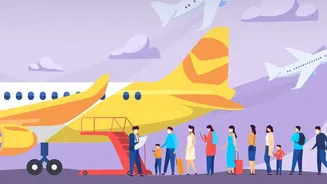






It’s a traveller's nightmare: you’ve just stepped off the plane and realise your phone, wallet, or headphones are still in the seat pocket. Your first instinct is to turn back, but you’re stopped. Here’s why you can't just walk back on.
The Unseen Security Line
The primary reason
you cannot simply re-enter an aircraft is security. Once you step off the plane and onto the jet bridge, you have officially exited a highly controlled 'sterile' environment. Aviation security, governed in India by bodies like the Bureau of Civil Aviation Security (BCAS), relies on strictly managing who and what enters an aircraft. Allowing a passenger to go back on board, even for a moment, creates a security loophole. Authorities would no longer be able to guarantee that the person hadn't acquired a prohibited item in the seconds they were out of sight. A passenger headcount is also a critical security measure; once you are logged as 'deplaned', letting you back on confuses the official count and breaks established safety protocols.
Racing Against the Clock
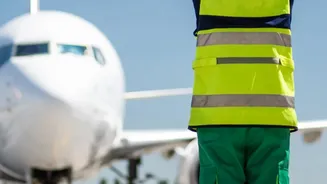
Airlines operate on incredibly tight schedules, and the time an aircraft spends on the ground between flights—known as 'turnaround'—is a highly choreographed sequence of events. This process is not just downtime; it involves multiple teams working simultaneously to prepare the plane for its next journey. This includes disembarking passengers, unloading baggage, cleaning the cabin, restocking catering supplies, refuelling, and conducting pre-flight checks by the new crew. Allowing a passenger to reboard would mean disrupting this workflow, potentially causing a delay. A single delay can have a domino effect, impacting subsequent flights and causing missed connections for hundreds of other travellers down the line.
Crew Duties Have Shifted
The moment the last passenger disembarks, the cabin crew's responsibilities pivot from passenger service to preparing the aircraft for its next departure. Their post-flight duties include conducting their own security sweeps of the cabin, checking for any items left behind, and ensuring the plane is ready for the cleaning and catering teams. Stopping their procedures to escort a passenger back to their seat diverts them from these critical, time-sensitive tasks. Furthermore, the cleaning crew begins their work almost immediately, moving through the cabin to prepare it for the next set of passengers. Your presence would obstruct their work and the overall efficiency of the turnaround.
The International Flight Complication
If you're arriving on an international flight, the restrictions are even stricter due to customs and immigration laws. The moment you cross the threshold of the aircraft door, you are considered to be in the process of entering the country. Walking past the immigration counters solidifies this. Attempting to re_enter the aircraft would be akin to trying to exit the country again without the proper checks, creating a significant bureaucratic and legal issue for both you and the airline.
What To Do Instead
Panicking won't help, but acting quickly will. If you realise you've left something behind while still on the jet bridge, immediately alert the cabin crew at the aircraft door. They can often retrieve the item for you without you needing to reboard. If you're already in the terminal, go directly to the airline's gate agent or customer service desk. Provide your flight number, seat number, and a detailed description of the item. The agent can contact the aircraft crew or ground staff who are still on board. If the plane has already departed or been fully cleaned, your next step is to file a lost item report with the airline, usually via an online form on their official website. Be as specific as possible to increase your chances of recovery.