






Defining 'Plant-Forward'
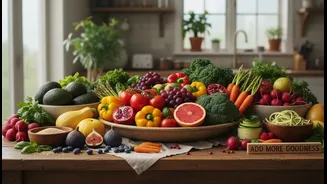
First, let's clear up the confusion. 'Plant-forward' is not the same as vegan or even strictly vegetarian. Think of it as a spectrum: while a vegan diet excludes all animal products, a plant-forward approach simply emphasizes foods from plants—fruits,
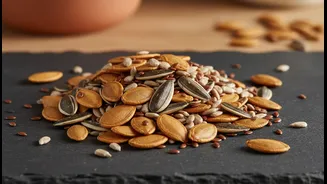
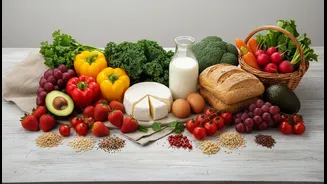
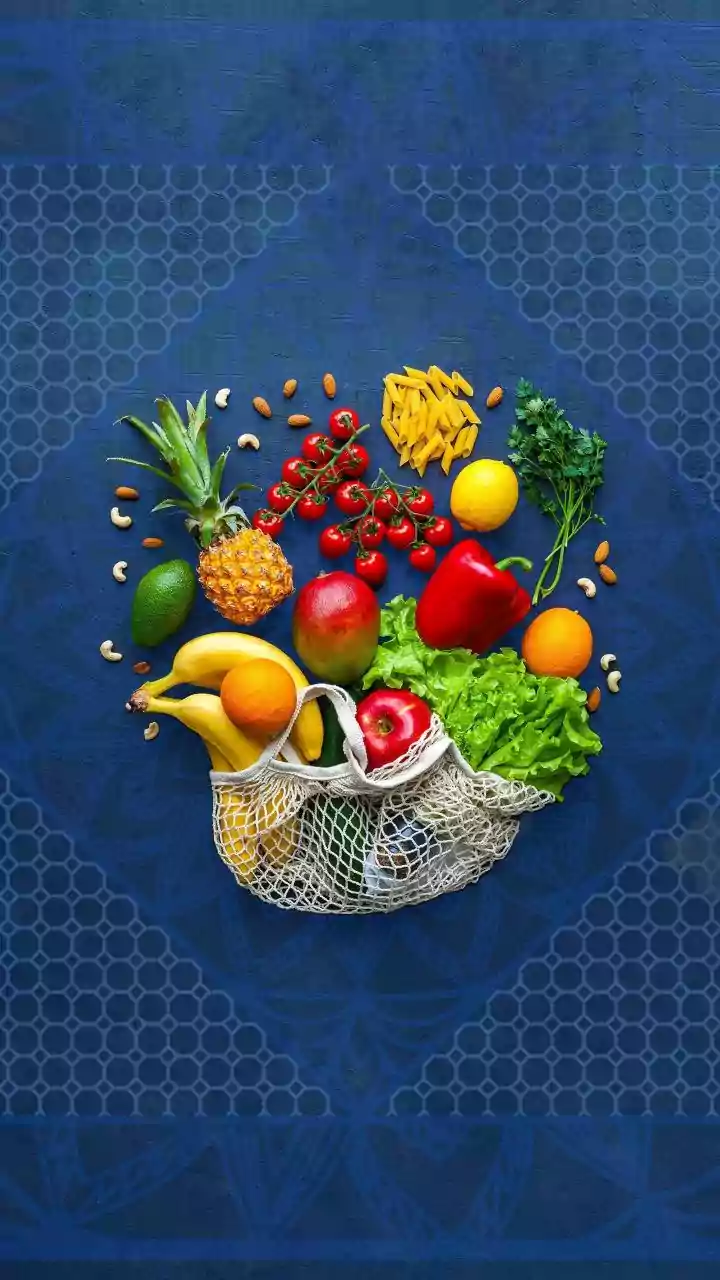
vegetables, whole grains, nuts, and legumes—making them the centerpiece of your meals. This style of eating is more of a flexible philosophy than a rigid set of rules. It allows for the occasional inclusion of animal products like meat, but more commonly incorporates dairy and eggs, putting it in the realm of a 'flexitarian' or lacto-ovo-vegetarian pattern. The goal is to increase the presence of nutrient-dense plants on your plate, not necessarily to achieve absolute perfection.
The Nutritional Case for Dairy and Eggs
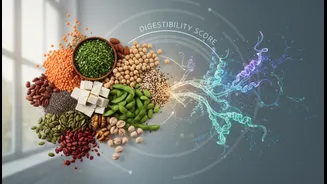
One of the biggest planning challenges in a strictly plant-based diet is ensuring you get enough of certain key nutrients. This is where dairy and eggs can serve as a valuable nutritional safety net. Animal products are sources of 'complete proteins', meaning they provide all the essential amino acids your body can't make on its own. While it's possible to get complete protein from plants by combining foods, eggs and dairy products offer it effortlessly. Furthermore, Vitamin B12 is crucial for nerve function and creating red blood cells, but it is naturally absent from most plant foods. Dairy products and eggs are excellent sources of B12; one cup of milk provides about half your daily needs, while a single egg offers a significant amount. They also provide other nutrients that can be harder to obtain from plants alone, such as highly absorbable calcium, vitamin D, and zinc.
Making It Work: Simple Planning Strategies
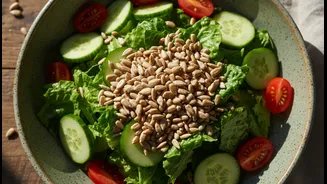
Incorporating dairy and eggs into a plant-forward plan doesn't have to be complicated. The idea is to use them as complements to a meal, not the main event. Start by thinking about where they can enhance what you're already eating. For instance, adding a hard-boiled egg to a vibrant vegetable salad not only boosts protein but can also help your body absorb more of the fat-soluble vitamins from the greens. A splash of milk or a dollop of yogurt in your morning oatmeal or lentil soup adds creaminess and a dose of calcium and protein. Sprinkling a little cheese on a bean-based chili or a whole-wheat pasta dish can add satisfying flavour and fat, making the meal more filling. These small additions can make plant-based meals more enjoyable and satisfying, which is key to sticking with any eating pattern long-term.
Choosing Quality When You Can
For many who choose a plant-forward diet for health, environmental, or ethical reasons, the quality of the animal products they do consume is important. When shopping for eggs and dairy, you have more options than ever. If your budget and availability allow, you might consider options like pasture-raised or free-range eggs. These terms often indicate that the animals had access to the outdoors and a more varied diet. For dairy, looking for products from grass-fed cows can be a priority for some. While these choices aren't a requirement for following a plant-forward diet, being mindful about sourcing can help align your food choices more closely with your overall wellness and ethical goals. The key is to find a balance that works for your preferences, budget, and values, reinforcing the flexible nature of the plant-forward approach.