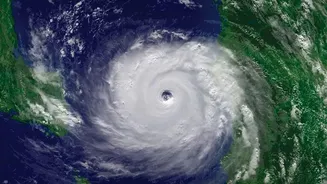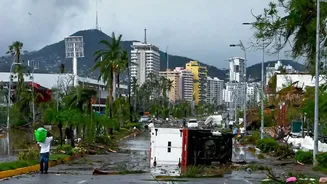



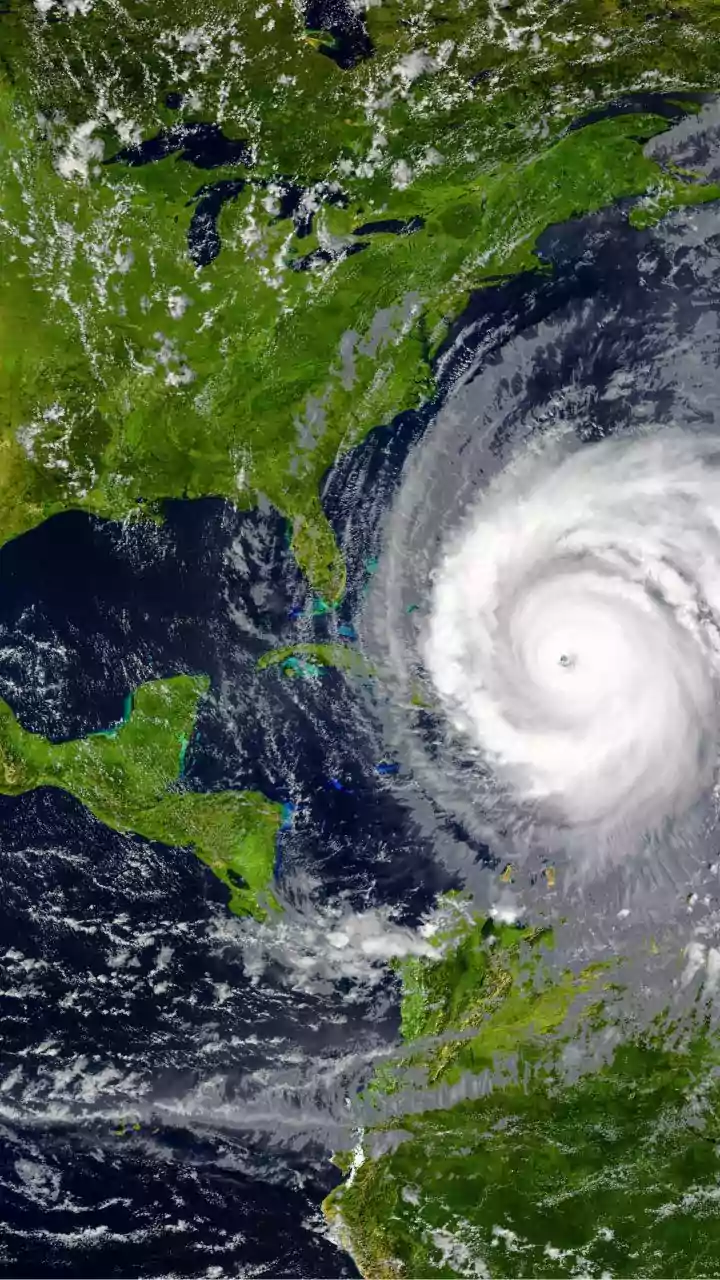



As Cyclone Akvan barrels towards the Andhra Pradesh coast, it serves as a stark reminder of a dangerous new reality in the Bay of Bengal. Storms in the region are not just weather events; they are evolving into faster, stronger, and more unpredictable
threats.
The New Breed of Storm
One of the most alarming trends illustrated by storms like Akvan is rapid intensification. This is a phenomenon where a cyclone's wind speeds increase dramatically in a very short period, sometimes in a matter of hours. This process is fuelled by unusually warm sea surface temperatures, which act like high-octane fuel for a developing storm. The Bay of Bengal is one of the warmest tropical basins on the planet, with surface temperatures recently recorded at 30-32°C, well above the 26.5°C threshold needed for cyclone formation. This excess heat allows storms to gather immense energy quickly, transforming from a low-pressure area into a severe cyclonic storm with frightening speed, leaving coastal populations and disaster management agencies with a shrinking window to prepare and evacuate.
A Basin Built for Danger
The geography of the Bay of Bengal makes it uniquely vulnerable. Its funnel-like shape and shallow coastal waters act as a natural amplifier for storm surges. As a cyclone makes landfall, strong winds push a massive volume of water towards the coast, and the bay's concave shape concentrates this surge, funnelling it into densely populated, low-lying deltas like those in West Bengal, Odisha, and Andhra Pradesh. This region accounts for a disproportionate share of global cyclone fatalities, not just because of the storm's power, but because of this geographic force multiplier that leads to catastrophic flooding far inland.
The Human Cost of Intensifying Storms
The increasing intensity of cyclones has severe, long-term consequences for the 251 million people living along India's coasts. Each major storm threatens to strip communities of their assets, destroy critical infrastructure like homes and roads, and disrupt livelihoods in farming and fishing. Studies show that exposure to cyclones can lead to a decrease in literacy, an increase in infant mortality, and a rise in poverty. While socioeconomic vulnerability has been slowly diminishing in some areas, the rising exposure to more powerful storms creates a compound risk, trapping populations in a cycle of disaster and recovery. The most vulnerable districts often see their development gains wiped out overnight.
A Race Against a Changing Climate
In response to this escalating threat, India's forecasting and disaster management capabilities have improved dramatically. The India Meteorological Department (IMD) has made significant strides, leveraging advanced satellites and Doppler radars to predict cyclone tracks and landfall with high accuracy, a significant improvement since the 1999 Odisha super cyclone. These advancements have enabled timely warnings and mass evacuations, saving countless lives. The IMD recently launched an interactive platform to give disaster agencies and the public clearer, more accessible information on storm surges, wind speeds, and potential impacts. However, the challenge is immense. While authorities are getting better at saving lives, the economic and infrastructural damage from these stronger storms continues to mount, posing a persistent threat to long-term development. The story of storms in the Bay of Bengal is now a race between improving human ingenuity and a rapidly changing climate.