




A Shift in Responsibility
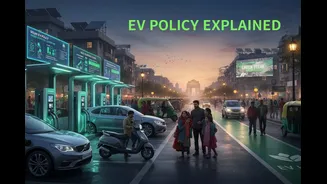
Under the new Delhi EV Policy 2.0, which comes into effect on July 1, 2026, the process for claiming subsidies is changing significantly. Unlike the previous policy where dealers assisted buyers, the responsibility now falls directly on the vehicle owner.
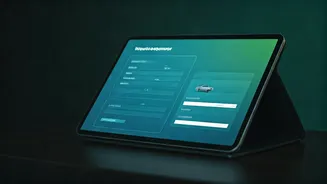
Buyers must personally submit their applications through a new, dedicated online portal. This portal, expected to launch within a week, is designed to be a single-window system for all incentive claims, ensuring a more direct and transparent process. The government's goal is to reduce delays and paperwork, making the entire experience smoother for the consumer.
How to Apply on the New Portal
Once an eligible electric vehicle is purchased and registered in Delhi, the clock starts ticking. The owner has a strict 30-day window from the date the Registration Certificate (RC) is generated to apply for the subsidy online. The application process will require uploading necessary documents, such as the purchase certificate from the dealer and proof of Delhi residency (like an Aadhaar card or utility bill). After the application is submitted and verified by the Transport Department, the subsidy amount will be transferred directly to the applicant's Aadhaar-linked bank account through the Direct Benefit Transfer (DBT) system.
Purchase Incentives Available
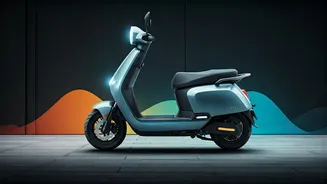
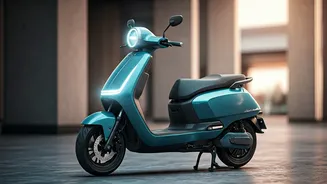
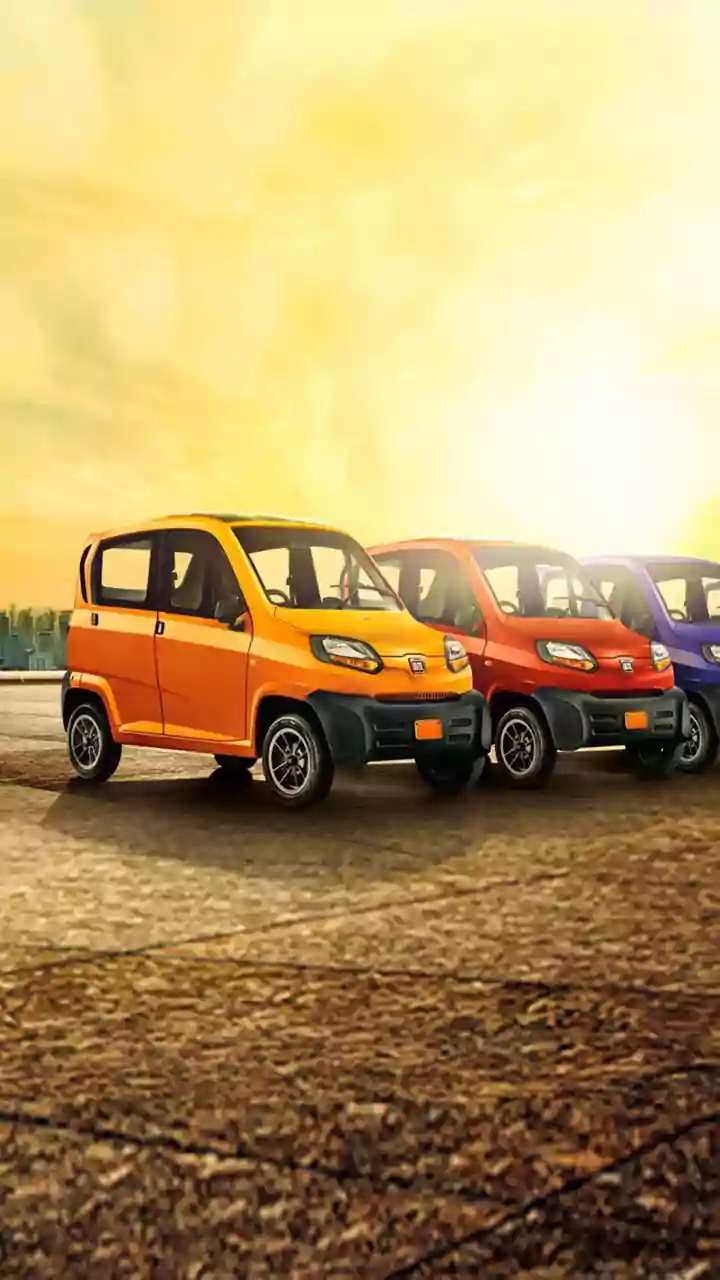
The Delhi EV Policy 2.0 offers substantial purchase incentives, which are designed to reward early adopters by tapering down over three years. For electric two-wheelers, buyers can receive a subsidy of up to ₹30,000 in the first year. For electric three-wheelers, the incentive is up to ₹50,000 in the first year. N1 category electric trucks are also eligible for a purchase incentive of up to ₹1 lakh during the first year of the scheme. It's important to note that direct purchase subsidies are not available for private electric cars; their benefits come in the form of tax waivers and scrappage bonuses. Additionally, hybrid vehicles are not eligible for any purchase incentives under this policy.
Scrappage and Tax Benefits
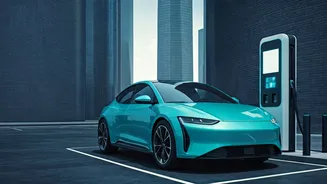
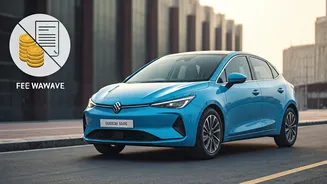
Beyond direct subsidies, the policy heavily promotes replacing older, polluting vehicles. A significant scrapping incentive is available for residents who scrap a Delhi-registered BS-IV or older vehicle and purchase a new EV. Car buyers can receive a ₹1 lakh bonus for scrapping an old car and buying a new electric car priced under ₹30 lakh. Similar scrapping incentives are available for other vehicle classes, including ₹10,000 for two-wheelers and ₹25,000 for three-wheelers. Furthermore, all-electric cars with an ex-showroom price up to ₹30 lakh will benefit from a 100% waiver on road tax and registration fees, providing a major upfront cost reduction.
The Big Picture: Delhi's Clean Air Mission
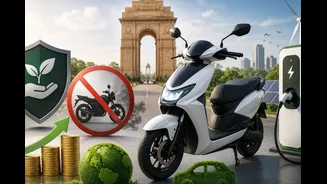
This new portal and the revamped incentive structure are crucial components of Delhi's long-term vision to combat air pollution and transition to clean mobility. The government has set ambitious goals, including a mandate that only electric two-wheelers will be registered in the city from April 1, 2028, and only electric three-wheelers and N1 category goods vehicles from January 1, 2027. Officials have highlighted that two-wheelers, three-wheelers, and commercial goods carriers are responsible for a large portion of vehicular pollution. By creating a more efficient, user-friendly system for incentives, the government aims to accelerate the adoption of EVs and achieve its goal of making Delhi a leader in electric mobility.