


What Exactly Is Sitalpati?
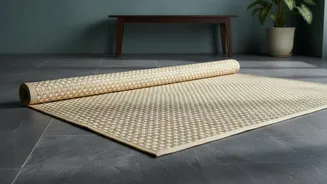
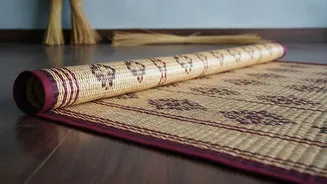
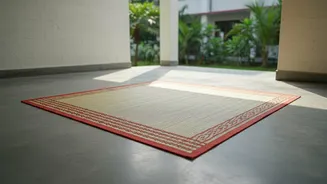
Literally translating to "cool mat," Sitalpati is a traditional handwoven mat crafted from a reed-like plant called Murta (Schumannianthus dichotomus). For centuries, it has been a household staple in West Bengal, Assam, and Tripura, prized for its natural
ability to stay cool even in humid weather. The craft is so integral to the region's identity that Sitalpati from Cooch Behar in West Bengal was awarded a Geographical Indication (GI) tag, signifying its unique origin and quality. Traditionally used for sitting or sleeping, these mats are renowned for their smooth, almost silky texture. The finest Sitalpati is said to be so smooth that a snake cannot glide across it. The intricate weaving process, passed down through generations and primarily done by women, transforms a humble plant into a functional work of art.
From Humble Mat to Design Staple
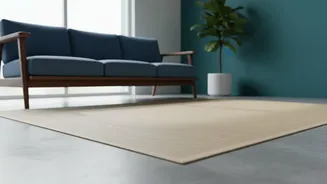
While its origins are rooted in pure utility, Sitalpati is undergoing a remarkable transformation. Designers and homeowners are rediscovering its potential, moving it beyond a simple floor covering and reimagining its role in contemporary interiors. The mat’s neutral, earthy tones and inherent geometric patterns from the weave make it incredibly versatile. It seamlessly fits into various design aesthetics, from minimalist and Scandinavian to bohemian and coastal. This isn't just about nostalgia; it's about appreciating the material's texture, authenticity, and adaptability. What was once spread on the floor for an afternoon nap is now being elevated onto walls, furniture, and decorative accessories, proving its timeless appeal.
Weaving Tradition into Modern Spaces
The creative applications for Sitalpati today are boundless. As a large, textured wall hanging, it can bring a natural, calming element to a living room or bedroom. Designers are also using it to create unique lampshades, where the weave casts intricate patterns of light and shadow. On a smaller scale, Sitalpati appears as elegant table runners, placemats, and coasters that add a touch of handcrafted luxury to a dining setup. You can also find it fashioned into storage boxes, file folders, and even as panels on cabinet doors, adding a surprising and sophisticated textural element to furniture. This diversification showcases the material's versatility and helps create new markets for the artisans.
The Artisan's Touch in Every Weave
In an era of mass production, owning a Sitalpati product is an investment in human skill and heritage. Each mat is a testament to the weaver's patience and expertise. The process begins with men harvesting and preparing the Murta reeds, slicing them into fine strips. These strips are often treated with natural solutions like rice water to enhance their softness and durability before being woven by women. The intricate patterns, whether simple checks or complex motifs, are created by hand, making each piece unique. Choosing Sitalpati means supporting this artisan ecosystem, preserving a valuable craft, and bringing an object with a rich human story into your home.
A Conscious Choice for the Modern Home
The appeal of Sitalpati extends beyond its aesthetic qualities. For the conscious consumer, it represents a move towards more sustainable and ethical decor. Made from a renewable plant source, Sitalpati is entirely natural and biodegradable, offering an eco-friendly alternative to synthetic rugs and plastic-based decor items. By purchasing authentic Sitalpati, especially from artisan cooperatives or platforms that ensure fair trade, you are contributing directly to the livelihoods of rural communities and helping to sustain a cultural legacy that faces challenges from cheaper, mass-produced alternatives. It's a choice that feels good for your home and for the world.