


The Unsung Hero of the Indian Pantry
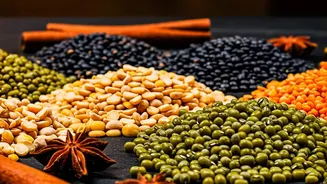
Known in English as red or pink lentils, masoor dal is a staple in Indian cuisine for good reason. These tiny, lens-shaped legumes are split and have their brownish outer husk removed, which is the key to their convenience. Unlike their whole counterparts
(sabut masoor), which require more soaking and cooking time, split masoor dal is ready to go when you are. With a mild, slightly earthy flavour, it serves as a wonderful canvas for a wide array of spices and ingredients, making it an incredibly versatile component for any meal. Whether you are a seasoned cook or just starting, masoor dal is one of the most forgiving and rewarding ingredients to have on hand.
The Speediest Lentil on the Block
The primary advantage of masoor dal is its speed. It cooks significantly faster than many other lentils like chana or toor dal, and it doesn't require any lengthy soaking. Most recipes see the dal becoming soft and tender in just 15 to 25 minutes of simmering on the stovetop. In a pressure cooker, it's even faster, often ready in about 10 minutes or after just a couple of whistles. This rapid cooking time is because the lentils have been split and hulled, allowing them to break down and become creamy with minimal effort. For anyone juggling work, family, and the desire for a home-cooked meal, this makes masoor dal a true weeknight saviour, transforming dinnertime from a race against the clock into a simple, stress-free affair.
A Powerhouse of Plant-Based Nutrition
Don't let its quick cooking time fool you; masoor dal is packed with nutritional benefits. It is an excellent source of plant-based protein, making it a fantastic choice for vegetarians, vegans, and anyone looking to incorporate more meat-free meals into their diet. A single serving provides a significant amount of your daily protein needs. Furthermore, it is rich in dietary fibre, which aids in digestion, helps you feel full longer, and can assist in managing blood sugar levels. Masoor dal is also a great source of essential minerals like iron, which fights fatigue; folate, crucial for cell growth; and magnesium and potassium, which support heart health.
Beyond the Traditional Dal Tadka
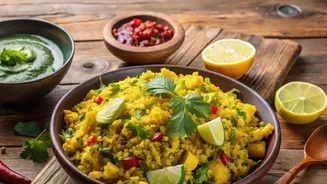
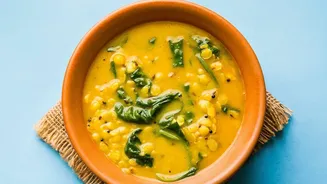
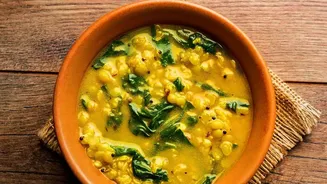
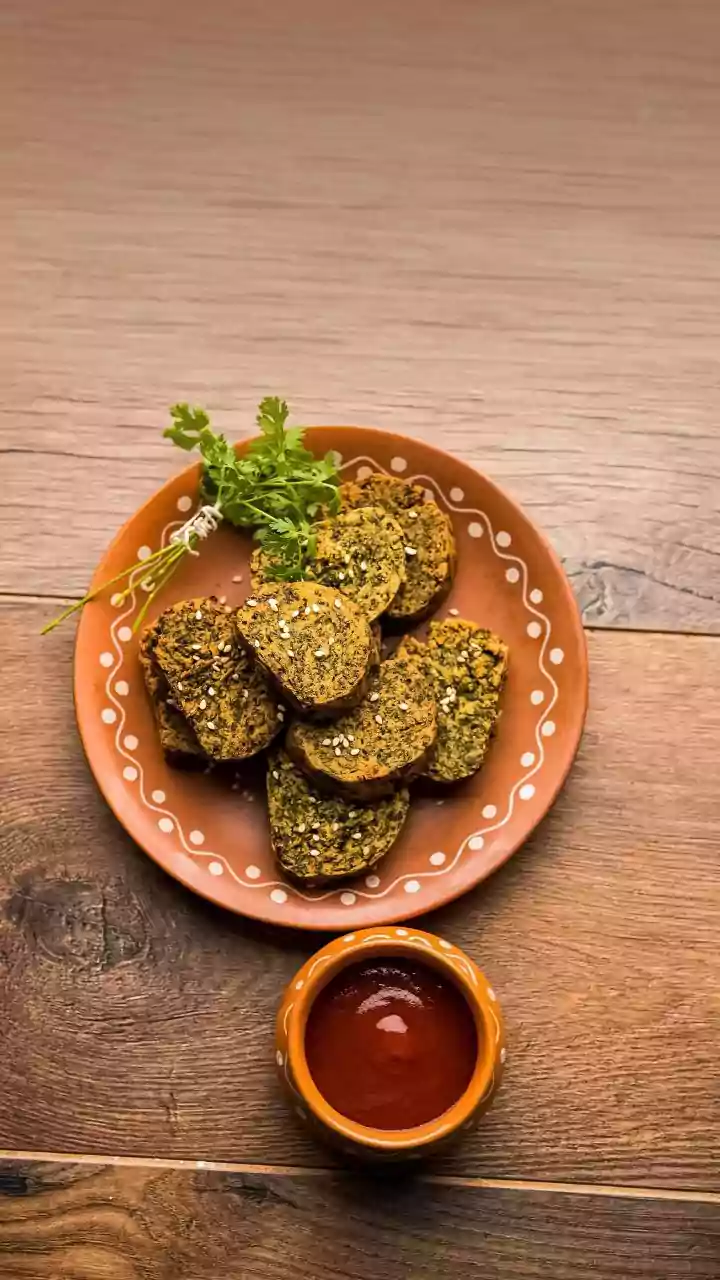
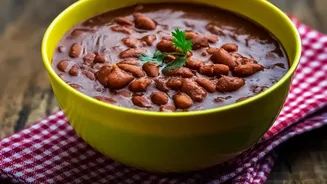
While a classic dal tadka—lentils tempered with sizzling spices—is always a comforting choice, the uses for masoor dal extend far beyond soup. Because it breaks down into a creamy, thick consistency, it’s a fantastic base for hearty vegetarian soups and stews. You can blend cooked masoor dal with vegetables and spices to create flavourful veggie burgers or kababs. It can be used as a nutritious filling for wraps or as a base for a warm lentil salad mixed with chopped vegetables and a zesty dressing. Some even use masoor dal to prepare savoury pancakes, like dosas, or as a component in one-pot rice dishes like khichdi. Its mild flavour allows it to absorb other seasonings beautifully, from traditional Indian spices to Mediterranean herbs.
Tips for Perfect, Flavourful Results
Cooking masoor dal is simple, but a few tips can elevate your dish. Always start by rinsing the dal in water until it runs clear. While not required, a quick 15-minute soak can help it cook even faster. The key to a flavourful dal is the 'tadka' or tempering. This involves heating ghee or oil and frying spices like cumin seeds, mustard seeds, chopped onion, garlic, and ginger until aromatic, then pouring this sizzling mixture over the cooked lentils. Don't be afraid to experiment with spices like turmeric, coriander, and a touch of garam masala. A final squeeze of lemon juice and a garnish of fresh coriander leaves right before serving can brighten the entire dish and add a layer of freshness.