





Why You Can't Skip the Patch Test
A patch test is a simple method to check if your skin will have an adverse reaction to a new product or ingredient. It involves applying a small amount of the substance to a discreet area of skin to see how it tolerates the formula before you use it all over
your face or body. Skipping this can lead to two types of reactions: irritant contact dermatitis, a non-allergic skin rash that occurs when a substance damages your skin's outer layer, or allergic contact dermatitis, where your immune system reacts to a specific ingredient. Symptoms can range from mild redness and itching to uncomfortable swelling, rashes, and even blisters. A few minutes of testing can prevent days or even weeks of painful recovery.
‘Natural’ Doesn’t Automatically Mean Safe
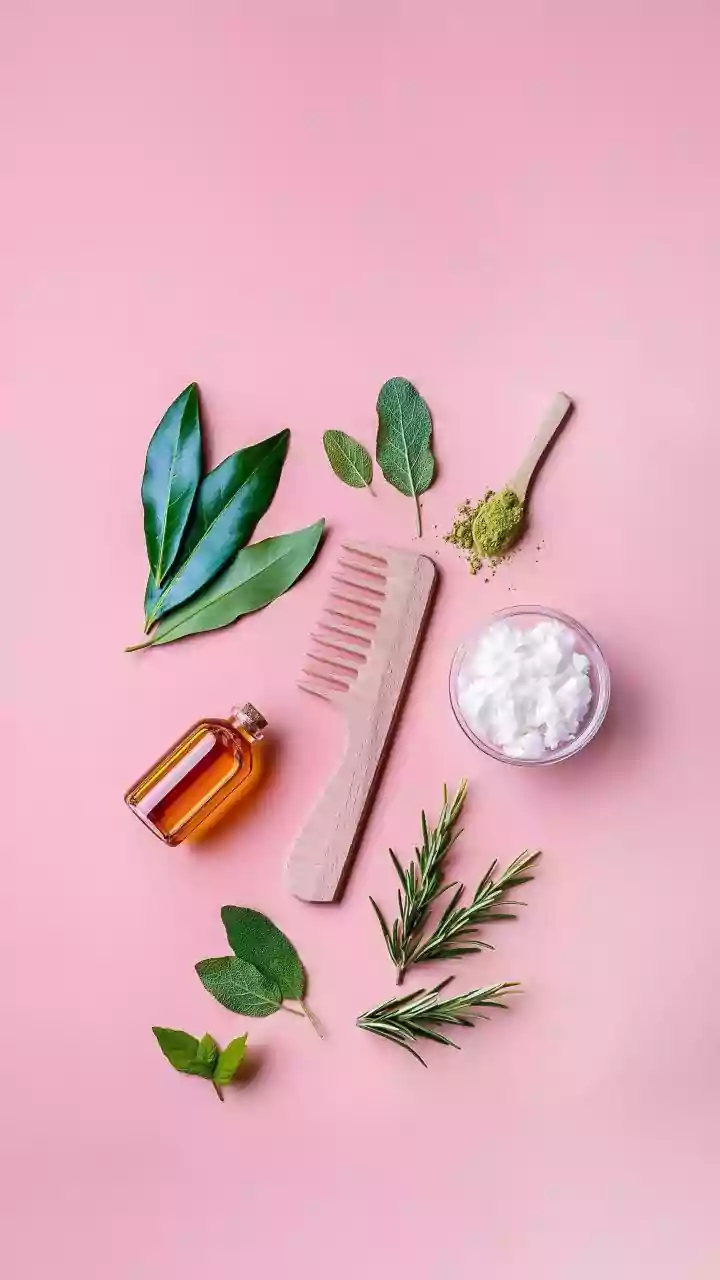
A common mistake in DIY beauty is assuming that if an ingredient is safe to eat, it must be safe for your skin. This isn't true. Many popular kitchen staples can be potent irritants. Lemon juice, for instance, is highly acidic and can disrupt your skin's protective barrier and even cause chemical burns when exposed to sunlight. Baking soda is another offender; its high alkalinity can strip the skin of its natural oils, leading to dryness and irritation. Even seemingly harmless ingredients like certain essential oils (peppermint, lavender, citrus), olive oil, and raw spices can trigger reactions in some people, especially those with sensitive skin. Just because it comes from a plant doesn't mean it belongs on your face without caution.
How to Perform a Patch Test Correctly
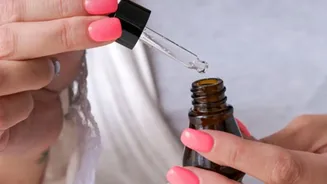
Performing a patch test at home is straightforward. Follow these simple steps to ensure you're doing it effectively. First, choose a discreet and clean patch of skin where the product won't be easily washed or rubbed off. Good spots include the inside of your elbow, behind your ear, or the side of your neck. Apply a small, thin layer of your homemade concoction to a coin-sized area. Leave the product on for as long as you would normally use it. For a face mask, that might be 15-20 minutes; for a leave-on concoction, you should wait at least 24 hours. Some dermatologists even recommend repeating the application for several days if you have particularly sensitive skin to see if a delayed reaction occurs.
What to Look For: Reading the Results
After the designated time has passed, it's time to check the results. Gently wash the product off the test area. Closely examine the patch of skin for any signs of a negative reaction. Red flags include any redness, itching, burning, swelling, blistering, or rash-like bumps. Remember that redness may be less obvious on some skin tones, so pay close attention to any changes in texture or feelings of discomfort, like stinging or tightness. If you notice any of these signs, no matter how mild, it's a clear signal that the mixture is not suitable for your skin. Wash it off immediately and do not proceed with applying it to a larger area. If the skin looks and feels completely normal, the product is likely safe for you to use.
When a Doctor's Visit Is Necessary
While a home patch test is an excellent preventative tool, it's not a substitute for professional medical advice. An at-home test can tell you if a product is likely to cause irritation, but it cannot diagnose a specific allergy. If you experience a severe reaction during a patch test—such as significant swelling, intense burning, or a widespread rash—you should wash the area thoroughly and seek medical attention. Furthermore, persistent skin issues like chronic acne, eczema, or pigmentation should always be evaluated by a dermatologist rather than treated with experimental home remedies, which can sometimes worsen the underlying condition. They can perform more comprehensive diagnostic tests to identify specific allergens.