

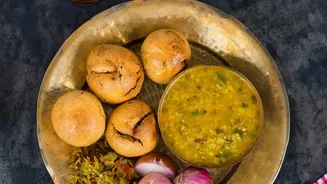
As married women prepare for Karwa Chauth on October 29, 2026, the focus turns to Sargi, the crucial pre-dawn meal. Choosing the right foods is key to navigating the day-long fast with energy and devotion. This guide explains why.
The Significance of Sargi
Sargi is more than just
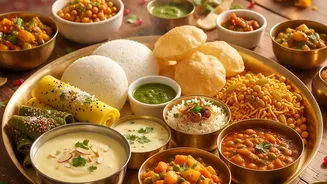
a meal; it's a cherished ritual and a symbol of love and blessings from a mother-in-law to her daughter-in-law. Eaten before sunrise, this thali is designed to provide sustenance for the demanding 'nirjala' fast, where women traditionally abstain from both food and water until moonrise. Beyond its cultural importance, the Sargi meal plays a critical physiological role. A well-planned thali provides the necessary energy and hydration to prevent fatigue, dizziness, and discomfort during the day, allowing for a more focused and spiritual observance of the fast.
The Power of Complex Carbohydrates
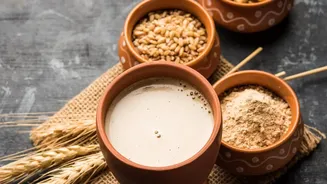
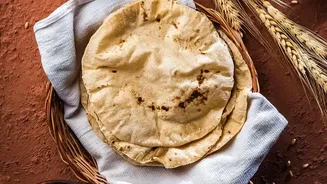
To maintain steady energy levels, complex carbohydrates are your best friend. Unlike simple carbs (like sugar and white flour) which cause a quick energy spike followed by a crash, complex carbs are digested slowly. They provide a gradual and sustained release of glucose into the bloodstream, which is crucial for endurance during a long fast. Including these ensures you feel fuller for longer and helps regulate blood sugar, preventing the lethargy that can set in. Excellent sources of complex carbs for your Sargi include whole-wheat rotis or parathas, oats, dalia (broken wheat), and fruits like bananas and apples.
The Essential Role of Protein
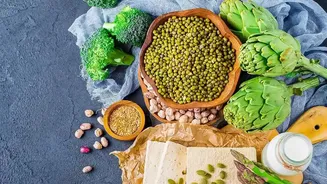
Protein is vital for satiety, helping you feel full and satisfied for hours. During a fast, if protein intake is insufficient, the body may start breaking down muscle tissue for its needs, which is something to avoid. Incorporating protein into your Sargi helps preserve muscle mass and keeps hunger pangs at bay. Furthermore, protein helps to stabilise blood sugar levels, preventing the sharp peaks and troughs that can lead to energy dips. Good protein sources for Sargi include paneer (cottage cheese), curd (yoghurt), milk, and various nuts and seeds like almonds and walnuts.
Building the Perfect Sargi Thali
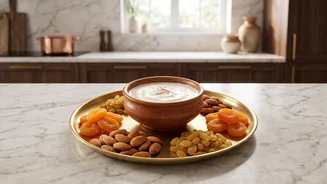
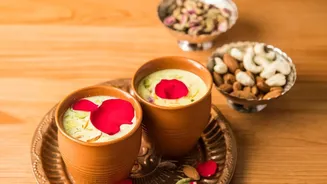
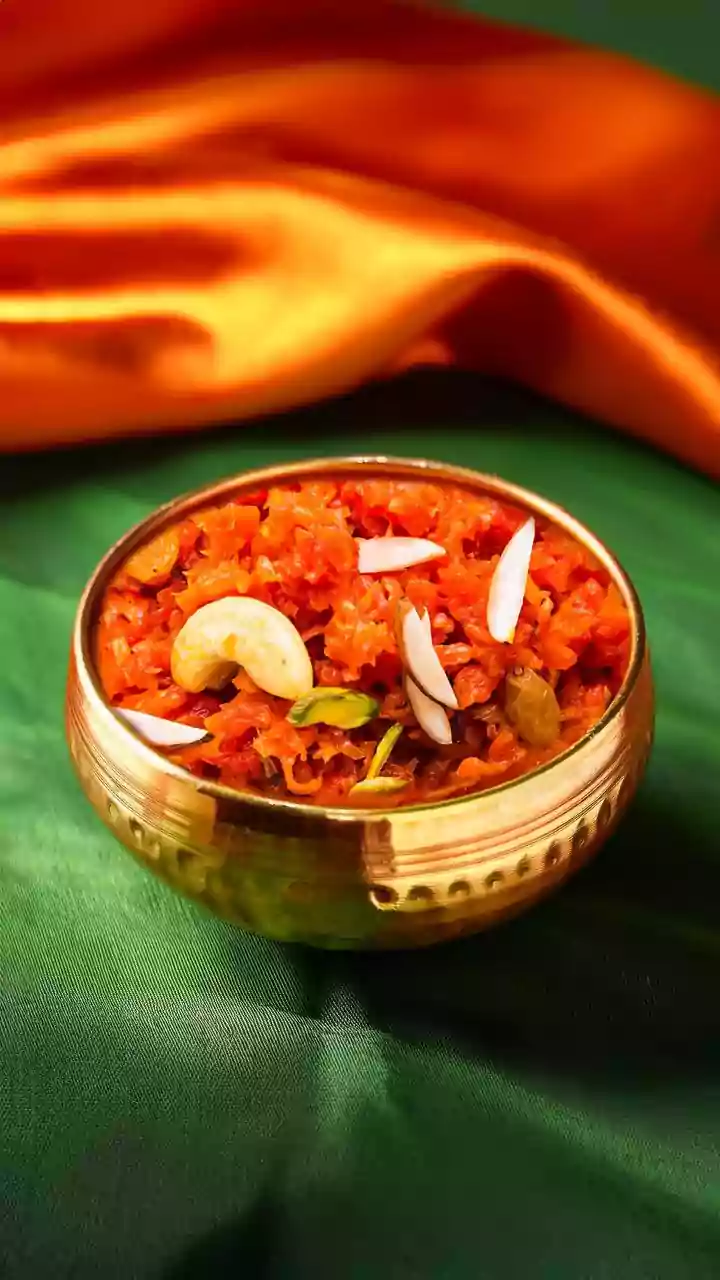
A balanced Sargi thali should be a thoughtful combination of nutrients. Aim for a mix of complex carbs, protein, healthy fats, and hydrating foods. A practical plate could include a whole-wheat paneer paratha (carb and protein), a small bowl of curd (protein and hydration), a handful of soaked almonds and walnuts (healthy fats and protein), and a piece of seasonal fruit like a banana or pomegranate for vitamins and fibre. Traditional items like Pheni or Seviyan prepared in milk can also be included in moderation for a mix of energy and tradition. Don't forget to hydrate well with water, coconut water, or milk before sunrise.
Foods to Limit or Avoid
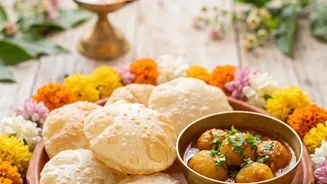
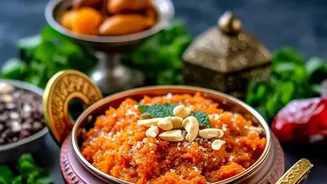
What you don't eat is just as important as what you do. It is best to avoid overly oily or deep fried foods like puris and pakoras, as they can feel heavy and may cause thirstiness later in the day. Similarly, excessively sugary sweets can lead to an energy crash after an initial high. It is also wise to limit very salty foods, which can increase thirst, and to steer clear of caffeine from tea or coffee, as it has a diuretic effect that can contribute to dehydration. The goal is to nourish your body with light, sustaining, and easily digestible foods.