







What is Gentle Yoga?
Gentle yoga is a slower, more mindful form of practice that encourages movement without strain. It focuses on foundational poses, proper alignment, and connecting with your breath. This approach is ideal for beginners, older adults, individuals with physical
limitations, or anyone seeking a peaceful way to reduce stress and improve well-being. The core idea is to support your body, not force it. Benefits include increased flexibility, better sleep, and a calmer state of mind. By moving slowly and deliberately, you warm up muscles, increase blood flow, and build a stronger mind-body connection.
The Power of a Simple Seated Twist
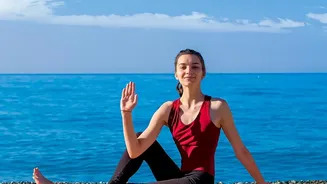
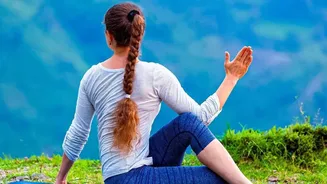
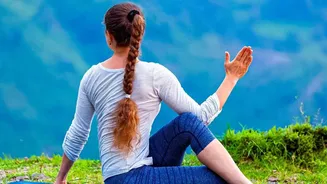
Seated twists are a cornerstone of many gentle practices. These poses involve rotating the spine from a stable, seated position. The primary benefit is improved spinal mobility and a release of stiffness in the back, shoulders, and neck. Twists are also known to aid digestion by gently massaging the abdominal organs. The key is to move with your breath, lengthening your spine as you inhale and gently deepening the twist as you exhale. It’s not about how far you can turn, but about creating space and awareness in your back.
How to Do a Seated Spinal Twist
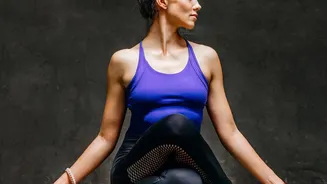
A simple and effective version is the Seated Spinal Twist, also known as Ardha Matsyendrasana. Start by sitting on the floor with your legs extended in front of you. Bend your right knee and place your right foot on the floor outside of your left thigh. You can keep your left leg straight or bend it, tucking the foot near your right hip. Place your right hand on the floor behind you for support. Inhale to lengthen your spine, sitting up tall. As you exhale, gently twist your torso to the right, bringing your left elbow to the outside of your right knee to help deepen the stretch. Hold for 30 seconds to a minute, breathing steadily, before slowly unwinding and repeating on the other side.
The Deep Calm of Resting Positions
Resting positions, often called restorative poses, are fundamental to gentle yoga. Their purpose is to activate the body's 'rest-and-digest' nervous system, promoting deep relaxation and healing. Poses like Child's Pose and Corpse Pose may look simple, but they are powerful tools for calming the mind, relieving fatigue, and letting go of physical and mental tension. In restorative yoga, props like blankets and pillows are often used to completely support the body, allowing muscles to fully release.
Essential Resting Poses to Try
Child's Pose (Balasana) is a grounding posture that gently stretches the lower back, hips, and ankles. Start on your hands and knees, then sit your hips back toward your heels, folding your torso forward and resting your forehead on the mat. Your arms can be stretched forward or rest alongside your body. Corpse Pose (Savasana) is the ultimate relaxation pose, often used to close a practice. Simply lie on your back with your limbs relaxed, palms facing up, and allow your body to feel heavy and supported by the floor. Try to clear your mind and focus on your breath for 5 to 15 minutes.
Building Your Gentle Yoga Routine
Creating a gentle yoga routine at home can be simple. Start by finding a quiet space and setting aside 15-20 minutes. Begin with a few minutes of deep breathing to centre yourself. You could then move through a few rounds of Cat-Cow to warm up the spine, followed by a Seated Spinal Twist on each side. Conclude your practice with an extended hold in Child's Pose and finish with at least five minutes in Savasana. The key is consistency and listening to your body's needs. Remember that even a short, gentle practice performed regularly offers significant benefits for your overall health.