






The Heart of the Mission
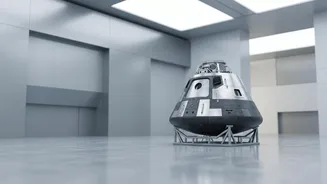
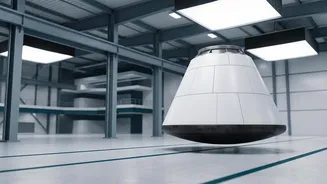
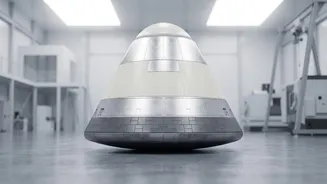
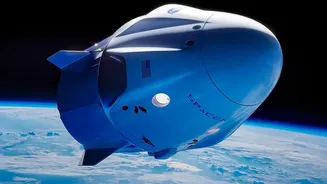
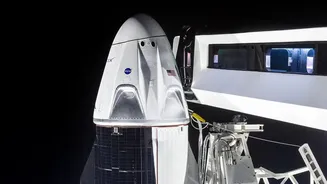
At the core of the Gaganyaan mission is the Crew Module, the pressurised capsule where Indian astronauts, or 'Gaganyatris', will live and work in space. This is the only part of the entire rocket system that will return to Earth, making its safety and reliability
paramount. Everything from its structural integrity to the life support systems and recovery procedures must be tested to perfection. Recent updates from the Indian Space Research Organisation (ISRO) confirm that this crucial component has just passed a gauntlet of tests, signaling a major step forward for the entire programme. These ground-based trials are designed to simulate the harshest conditions the module will face, ensuring it can protect its precious human cargo from launch to splashdown.
The Gauntlet of Three Tests
ISRO recently announced the successful completion of three major qualification tests, each focused on a critical moment of the mission that astronauts cannot control themselves. The first was the Crew Module Up-righting System (CMUS) test. After splashing down in the ocean, the capsule must be able to orient itself upright, a vital safety feature for recovery. This was validated by testing a cold gas-based inflation system for the module's flotation bags. The second test focused on the umbilical separation system (CSCDS), which is the connection that supplies power and other essentials from the Service Module. Engineers demonstrated that this umbilical cord can cleanly detach before re-entry without damaging the module. The third test qualified the module's structure against the forces exerted during the separation of the apex cover. This cover protects the parachutes and is blasted away before they deploy; the test confirmed the module can withstand this event.
A Symphony of Safety Systems
These tests are more than just a checklist; they represent the validation of an interconnected web of safety systems. The successful apex cover test, for instance, is directly linked to the parachute deployment system, which has also undergone a series of its own rigorous airdrop tests. Similarly, the umbilical separation ensures that the Crew Module can begin its independent and perilous journey through Earth's atmosphere, relying on its thermal protection system to survive the intense heat of re-entry. Finally, the up-righting system is the last link in a long chain of events designed to bring the astronauts home safely, making their recovery from the sea as smooth as possible. Together, the success of these trials provides a high degree of confidence in the integrated design of the spacecraft.
What This Means for the Timeline
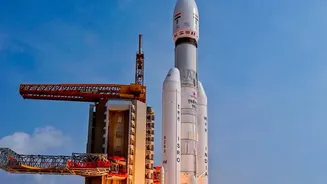
With these major qualification hurdles cleared, attention now turns to the flight schedule. The Gaganyaan programme is structured with several uncrewed test flights before any astronaut gets on board. The first uncrewed mission, designated G1, is slated for later in 2026. This mission will carry 'Vyommitra', a humanoid robot, to test life-support systems and collect data in a real space environment. Following the uncrewed flights, which serve as the ultimate validation of all systems working in concert, the first crewed mission is targeted for 2027. While space missions are complex and timelines can shift to ensure absolute safety, the successful completion of these crew module tests is a strong and positive indicator that the programme is advancing steadily toward its historic goal.