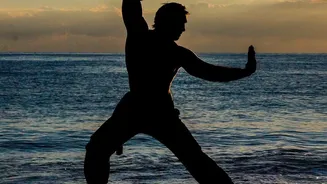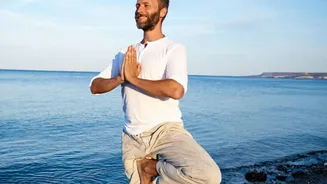



Why Sand Changes the Game
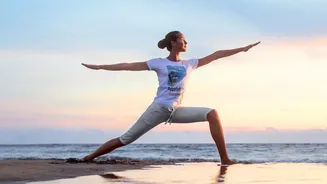
The key difference between a studio floor and a sandy shore is stability. A hard, flat surface is predictable. Sand, however, is an unstable surface that shifts and gives way under your feet. This forces your body to constantly make micro-adjustments
to maintain your stance. This instability isn't a drawback; it's an opportunity. It compels dozens of smaller, supporting muscles in your feet, ankles, and legs—muscles that might get a free pass on a solid floor—to activate and engage, turning every movement into a more comprehensive workout.
The Science of Better Balance
The magic behind this enhanced challenge is proprioception, which is your body's ability to sense its own position in space. Receptors in your muscles and joints are constantly sending information to your brain about your posture and movement. When you practice Tai Chi on sand, the unstable surface provides a constant stream of new sensory information, effectively putting your proprioceptive system into overdrive. This heightened feedback loop trains your nervous system to be more responsive and efficient, which is crucial for improving balance and preventing falls, particularly as we age.
Strengthening More Than Just Your Stance
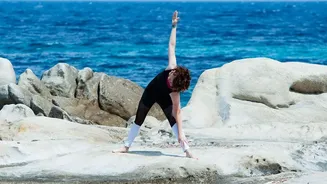
While the balance benefits are profound, the advantages don't stop there. Because your muscles have to work harder to counteract the shifting sand, you get a more intense strength-training session for your lower body and core. The sand acts as a natural form of resistance, building strength in the calves, glutes, and stabilizer muscles around the joints. Furthermore, this soft surface is generally lower-impact, reducing stress on your knees, hips, and ankles compared to hard surfaces like concrete. This makes it an excellent option for those looking for a joint-friendly yet effective workout.
A Deeper Mental Workout
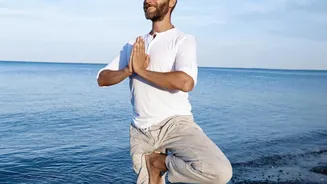
Tai Chi is often described as a 'moving meditation' because of its focus on breath and mindful movement. The added difficulty of practicing on sand demands an even greater level of concentration. You can’t simply go through the motions; you must be fully present, focused on the feeling of the sand beneath your feet and the subtle shifts in your weight. This intense focus helps to quiet the 'mind chatter', leading to a deeper state of relaxation and mental clarity. The natural environment itself, with the sound of the waves and the fresh sea air, further enhances the meditative and stress-reducing aspects of the practice.
Tips for Your First Beach Session
If you're ready to give it a try, start slowly. Begin on wet, firmer sand near the shoreline, which offers a bit more stability than loose, dry sand. Consider practicing barefoot to maximize the sensory feedback from the ground. Start with basic stances and simple, familiar movements, allowing your body to acclimate to the new challenge. Pay close attention to your body and don't push through pain. The goal is to challenge your balance, not to risk injury. As you become more confident, you can move to softer sand and incorporate more complex forms into your practice. Remember to stay hydrated, especially when exercising outdoors.