








Understanding Bedtime Aromatherapy
Aromatherapy is the practice of using essential oils—concentrated plant extracts—to improve well-being. When used for sleep, the goal is to leverage scents that have a calming effect on the nervous system. Inhaling specific aromas can send signals to the parts
of your brain that control mood and stress. This interaction can help lower your heart rate, reduce feelings of anxiety, and prepare your mind and body for rest. It's not a magic cure for insomnia, but a simple, science-backed practice that, when added to a consistent routine, can significantly improve your ability to fall asleep and the quality of that sleep.
Lavender: The Classic Calming Scent
Lavender is perhaps the most well-known and studied essential oil for sleep. Its gentle, floral aroma is widely recognized for its ability to promote relaxation and ease anxiety. Studies have shown that lavender can improve overall sleep quality, even for those with insomnia or anxiety. The key compounds in lavender, such as linalool and linalyl acetate, interact with the nervous system to help quiet the mind and reduce restlessness. Some research suggests it may even increase time spent in deep, slow-wave sleep, which is the most restorative phase of our nightly rest.
Bergamot: The Mood-Lifting Relaxer
While most citrus oils are known for being energizing, bergamot is a unique exception. Extracted from the peel of the bergamot orange, this essential oil has a fresh, slightly floral citrus scent that is both uplifting and calming. This makes it particularly useful for people whose sleep is disturbed by stress, anxiety, or racing thoughts. Research indicates that bergamot can help reduce levels of the stress hormone cortisol, easing feelings of overwhelm and creating a sense of peace before bed. When blended with lavender, it creates a powerful combination that calms the mind while soothing the body.
How to Choose Quality Oils
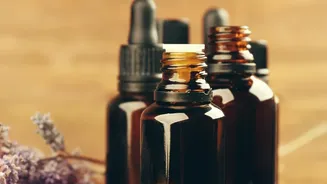
The market is flooded with scented products, but not all are created equal. To get the therapeutic benefits, you need pure essential oils, not synthetic fragrance oils. Look for oils sold in dark-coloured glass bottles (amber or cobalt blue), as light can degrade them. The label should clearly state that it is "100% pure essential oil" and include the plant's Latin name—for instance, Lavandula angustifolia for lavender. If a price seems too good to be true, it likely is; producing pure essential oils is resource-intensive, which is reflected in the cost. Reputable brands are also transparent about their sourcing and may provide third-party testing results.
Simple Ways to Start Tonight
Incorporating aromatherapy into your routine doesn't need to be complicated. Here are four simple methods for beginners: 1. Use a Diffuser: Add 3-5 drops of lavender or a lavender-bergamot blend to an ultrasonic diffuser with water and run it for 30-60 minutes before you get into bed. This creates a calming atmosphere throughout your room. 2. Make a Pillow Mist: In a small spray bottle, mix 10-15 drops of essential oil with about 60ml of distilled water and a small splash of witch hazel or vodka to help the oil and water mix. Shake well and lightly mist your pillows and linens before sleep. 3. Take a Scented Bath: Add 5-7 drops of essential oil, first mixed with a carrier like coconut oil or a tablespoon of milk, to a warm bath. The steam will carry the scent, promoting full-body relaxation. 4. Try a Tissue: For the simplest method, place one or two drops of lavender or bergamot oil on a tissue and place it inside your pillowcase. The scent will be gentle and close by as you drift off.
Important Safety Precautions
Essential oils are potent and must be handled with care. Never apply undiluted essential oils directly to your skin, as this can cause irritation or an allergic reaction; always mix them with a carrier oil like jojoba, almond, or coconut oil first. The general rule for adults is a 1-2% dilution, which is about 6-12 drops of essential oil per 30ml of carrier oil. Be aware that bergamot oil is phototoxic, meaning it can cause severe skin burns if applied topically before sun exposure. Keep oils away from children and pets, as they can be harmful if ingested or used incorrectly. Finally, never ingest essential oils unless under the direct supervision of a qualified professional.