







Which Product Is Being Recalled?
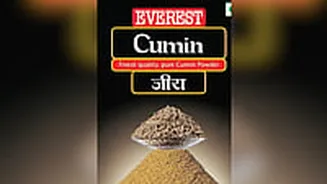
The recall is highly specific and does not apply to all Everest products. The Food Safety and Standards Authority of India (FSSAI) has directed Everest Food Products Private Limited to recall its pre-packed cumin powder from a single batch. Consumers
should check their pantry for Everest cumin powder with the Batch No. E080668761. This action is confined only to this particular batch, and other Everest products or different batches of cumin powder are not part of this specific recall notice. The recall was initiated after a sample collected in Goa was flagged during routine regulatory checks.
Why Was It Declared Unsafe?
The recall was triggered after laboratory tests found pesticide residues above the maximum limits prescribed by Indian food safety regulations. The sample was found to contain Azoxystrobin, a fungicide, and Thiamethoxam, an insecticide. After an initial test by a Food Analyst declared the sample 'unsafe', the company was given an opportunity to appeal. However, a second examination at a Referral Food Laboratory confirmed the initial findings, leading FSSAI to order the immediate recall of the entire affected batch from the market.
What Are the Health Risks?
Pesticide residues in food are a public health concern because long-term exposure to levels above the safety limits can be harmful. While officials have not detailed immediate health risks from consuming this specific batch, regulations are in place to minimize chronic exposure. According to some medical experts, accidentally consuming a product with residues above the limit does not automatically mean a person will get sick. The risk depends on factors like the concentration of the pesticide, the quantity consumed, and the individual's health. Nonetheless, the regulator has deemed the product unsafe for consumption as a precautionary measure to protect public health.
What Should You Do If You Have This Product?
Consumers are advised to check any Everest cumin powder in their possession for the batch number E080668761. If you have a pack from this specific batch, you should stop using it immediately. Do not consume the product. While the company and retailers will manage the withdrawal from store shelves, consumers who have already purchased the item should dispose of it. FSSAI has directed Everest to maintain complete records of the recalled stock and report on the progress of the recall. Consumers can also look for simple ways to check for adulteration in whole spices at home; for instance, FSSAI suggests rubbing cumin seeds in your palms to see if they leave a black color, which could indicate adulteration.
Is This Part of a Broader Trend?
This domestic recall comes at a time of heightened scrutiny for Indian spice brands on the global stage. In recent years, countries like Singapore and Hong Kong have recalled products from major Indian brands, including Everest, due to the presence of ethylene oxide, a sterilizing agent that is not permitted for use in food in many regions. While the contaminant in this cumin powder recall is different (pesticides, not ethylene oxide), it highlights the increasing focus on food safety standards and rigorous testing by both domestic and international regulators. FSSAI has stated it is stepping up enforcement actions against food businesses to safeguard consumer health across the country.
How the System Is Supposed to Work
This incident, while concerning, also shows the food safety regulatory system in action. A routine sample was collected, tested, and when found non-compliant, a process was followed which included a chance for the company to appeal before a final decision was made. Under FSSAI regulations, companies are required to have a recall plan in place to efficiently remove unsafe products from the supply chain. The regulator's role is to monitor these recalls and ensure the company takes corrective action to prevent a recurrence. FSSAI has been publicly announcing these actions on social media to keep consumers informed.