





Beyond Brute Arm Strength
It’s the most common mistake people make when they grab a tug-of-war rope: they think it’s an arm-pulling contest. While your arms and grip are certainly important, they are merely the final links in a much longer chain of power. The truth is, tug-of-war is a full-body
sport. A winning team understands that the battle is won not with the arms, but with the legs, back, and, most critically, the core. Your arms are primarily there to hold on tight; the real engine that moves the rope is your entire body working as a single, coordinated unit. Relying on just your upper body is a fast track to exhaustion and defeat, as you're isolating a small set of muscles to do a job meant for your whole physique.
Your Body's Central Powerhouse
So, what exactly is this 'core' we're talking about? It's far more than just your six-pack abs. Think of your core as a strong, muscular corset that wraps around your entire midsection. This includes your abdominal muscles, the obliques along your sides, your lower back muscles, and even your glutes and pelvic floor. In any athletic movement, from throwing a ball to lifting a heavy box, this group of muscles works together to stabilize your spine and pelvis. It’s the foundational pillar that connects your upper and lower body, creating a stable platform for you to generate force from. Without a strong and engaged core, your body is like a wobbly lever—inefficient and unstable.
The Secret to Force Transfer
Here's the most crucial role your core plays in tug-of-war: force transmission. The immense power needed to pull the rope doesn't originate in your arms; it starts from the ground up. Your feet dig into the earth, and your powerful leg muscles (quads and glutes) generate the initial force by pushing backward. But how does that force get to the rope? It travels through your core. A strong, rigid core acts like a solid bridge, efficiently transferring that power from your lower body, through your torso, and into your back, shoulders, and arms. If your core is weak or not engaged, it's like a leaky pipe; that powerful energy created by your legs dissipates and is lost before it ever reaches the rope, making your pulls significantly weaker.
The Anchor of Stability
Tug-of-war is a constant struggle against an opposing force trying to pull you forward and off-balance. Your core is your primary defense. By bracing your midsection, you create full-body tension that locks your torso into a solid, unmoving plank. This has two major benefits. First, it prevents your spine from buckling or your body from twisting, which would waste energy and compromise your position. Second, it allows you to maintain a low and stable center of gravity. A braced core ensures that every ounce of your effort is channeled directly backward into pulling the rope, rather than being wasted on simply trying to stay upright. This stability is what allows a team to hold its ground and strategically wait for the opponent to tire.
Your Built-In Injury Shield
The strain placed on your body during a tug-of-war match is immense, particularly on your spine. A strong core is your most important piece of safety equipment. When you pull with maximum effort, your core muscles contract to protect your lower back from the intense shear forces. By keeping your spine in a safe, neutral alignment, a braced core takes pressure off your vertebrae and discs, dramatically reducing the risk of painful back injuries. Thinking about core strength as just a performance enhancer is missing half the picture; it's a fundamental component of safe, sustainable physical activity.
How to Train Your Winning Edge
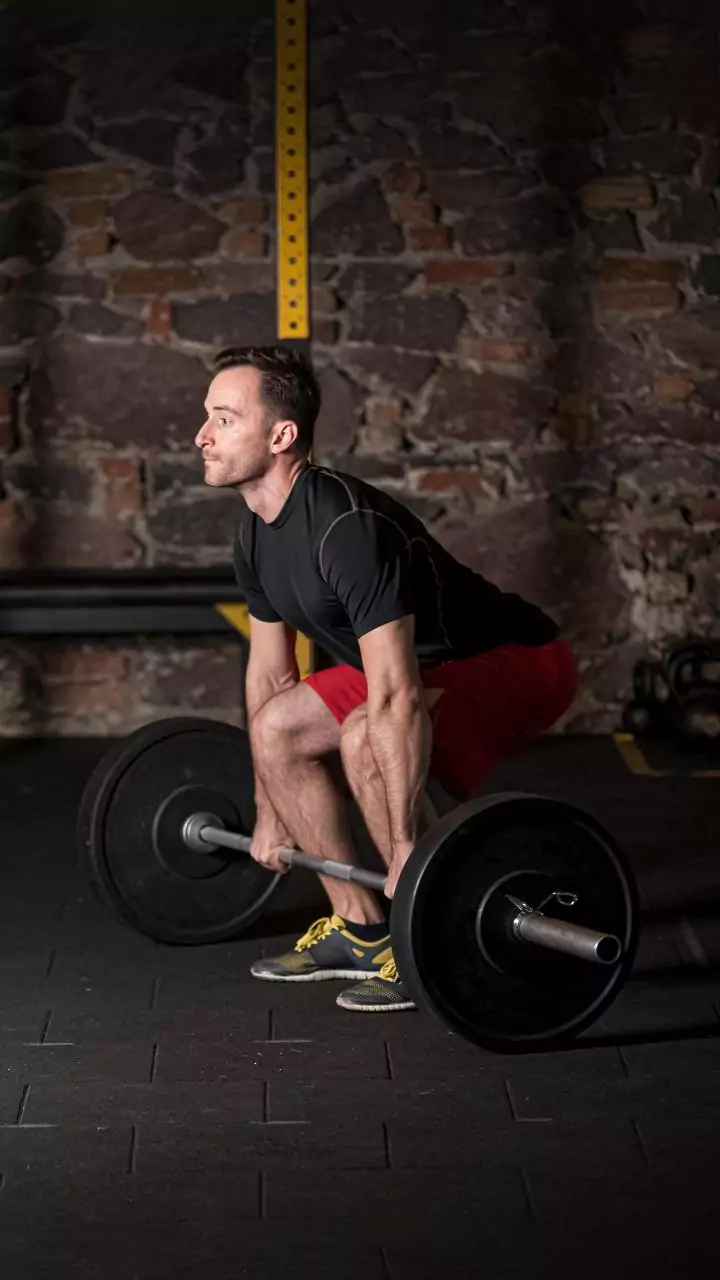
To build a core that's ready for battle, you need to train it for its true job: resisting movement. While crunches have their place, exercises that force your core to stabilize against a load are far more effective for this purpose. Incorporate movements like planks, side planks, farmer's walks (carrying a heavy weight in one hand), and deadlifts into your routine. These exercises teach your body to create and maintain that rigid, full-body tension necessary for peak performance and injury prevention. They train your core to act as an integrated unit with the rest of your body—exactly what you need when you're digging in for that final, winning pull.