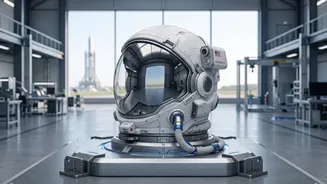


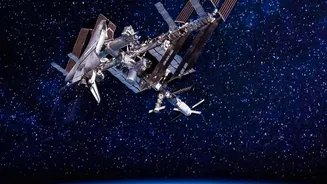

The dream of travelling to space is once again within reach for a new generation. NASA has announced its first call for astronaut applicants since 2024, seeking pioneers to help lead humanity back to the Moon and eventually onward to Mars.
A New Call for Modern Explorers
For the first
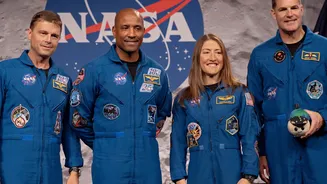
time in over two years, the doors to one of the world's most exclusive clubs are opening. NASA is officially on the hunt for its next class of astronaut candidates, the 'Artemis Generation'. This isn't just another recruitment drive; it's a call for the individuals who will execute some of the most ambitious space missions in history. Unlike the Space Shuttle era, which focused on low-Earth orbit, these new recruits will be at the forefront of establishing a sustainable human presence on the Moon. The last application window in 2024 drew a massive pool of talent, and this new drive is expected to be just as competitive, signaling a renewed public excitement for space exploration. The chosen few will follow in the footsteps of legends, but their own path will take them further into the cosmos than any human has gone before.
Do You Have the Right Stuff?
So, what does it take to become a NASA astronaut in this new era? The basic requirements are stringent and specific. First and foremost, all applicants must be U.S. citizens. Academically, the bar is high: a master's degree from an accredited institution in a STEM field is required. This includes engineering, biological sciences, physical sciences, computer science, or mathematics. However, there are alternative paths to meet the education requirement. Two years of work toward a PhD in a relevant STEM field, a completed Doctor of Medicine degree, or graduation from a recognized test pilot school program can also qualify a candidate. Beyond academics, NASA requires at least two years of related, progressively responsible professional experience, or a minimum of 1,000 hours of pilot-in-command time in jet aircraft. This combination of advanced education and hands-on experience ensures candidates have the technical and operational skills needed for the challenges ahead.
The Artemis Generation's Mission
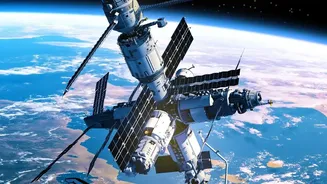
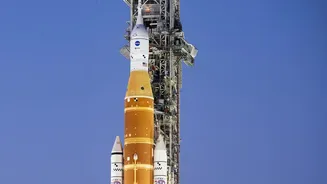
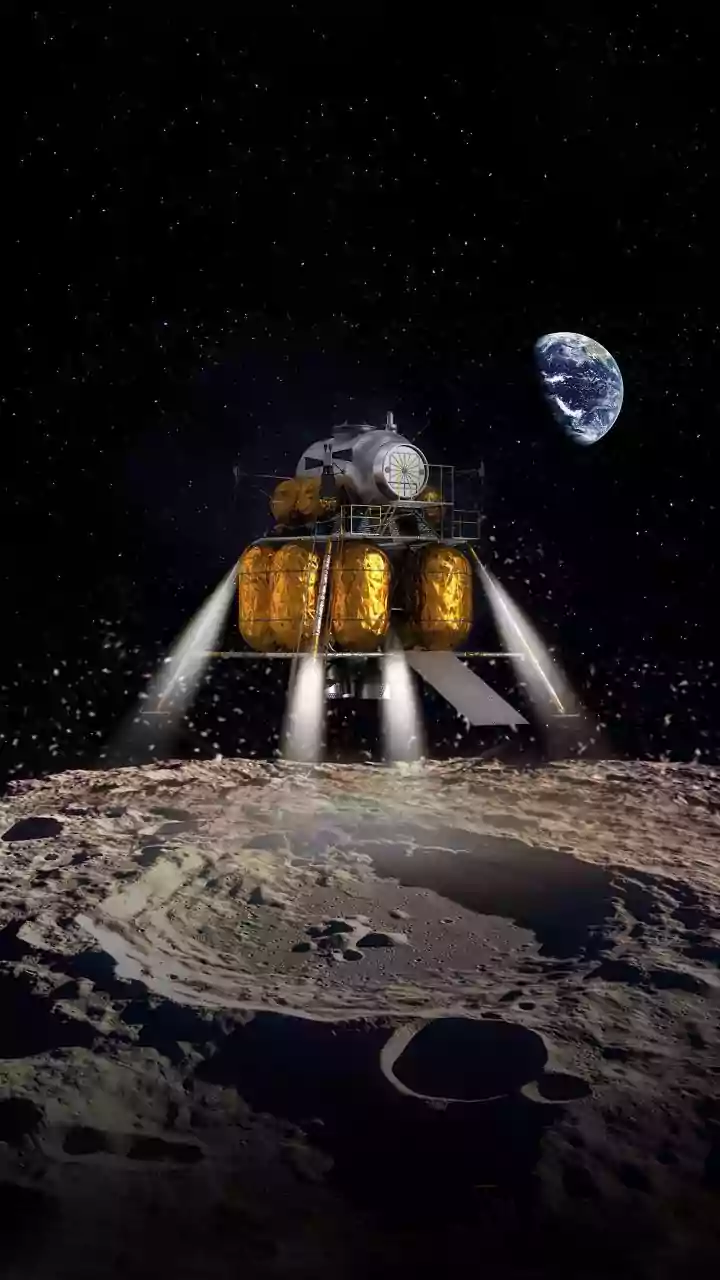
The astronauts selected in this drive will have a clear and monumental mandate: power the Artemis program. Their primary duties will involve missions to the Moon aboard the Orion spacecraft. This includes not just landing on the lunar surface but also potentially working on the Gateway, a small space station that will orbit the Moon and serve as a staging point for deep space missions. The work done by the Artemis Generation is about more than just planting another flag. It's about conducting cutting-edge science on the lunar surface, testing new technologies required for long-duration spaceflight, and building the infrastructure needed for a permanent lunar base. Ultimately, every Artemis mission is a critical dress rehearsal for humanity's next giant leap: sending astronauts to Mars. These recruits won't just be flyers; they will be scientists, engineers, and builders on a new frontier.
A Grueling but Historic Path
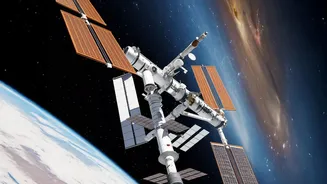
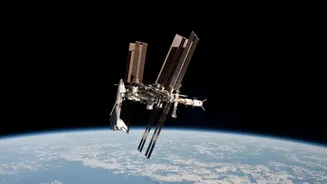
Getting selected is an achievement in itself. The odds are famously long; in the 2021 selection, over 12,000 people applied for just 10 spots. The process is a multi_stage marathon that can take more than a year to complete. After submitting an initial application, candidates are screened, and a small group of semi_finalists is invited to the Johnson Space Center in Houston for interviews and team exercises. From there, an even smaller group of finalists undergoes extensive medical and psychological evaluations before the final selections are made. For those who make the cut, the journey is just beginning. They enter a rigorous two_year training program to earn the title of astronaut. This training covers everything from spacecraft systems and spacewalking in the Neutral Buoyancy Laboratory to robotics, aviation, and even learning Russian to work with international partners on the International Space Station.
A Global Endeavor on a New Frontier
While the application is limited to American citizens, the Artemis program itself is a global effort. NASA is working alongside international partners like the European Space Agency (ESA), the Japan Aerospace Exploration Agency (JAXA), and the Canadian Space Agency (CSA). These collaborations underscore a fundamental truth about modern space exploration: it is too big for any one nation to tackle alone. For audiences in countries like India, with its own successful space agency, ISRO, NASA's recruitment drive is a significant indicator of the accelerating pace of human spaceflight worldwide. The technologies developed and the scientific knowledge gained from the Artemis missions will have a ripple effect across the global scientific community. It represents a shared human ambition to push boundaries and explore the unknown, inspiring a new generation of scientists, engineers, and dreamers everywhere.