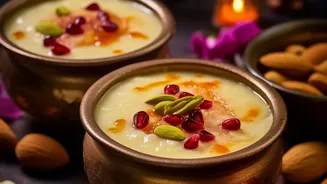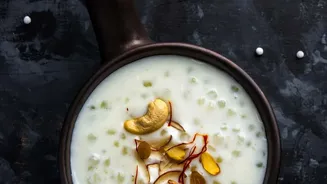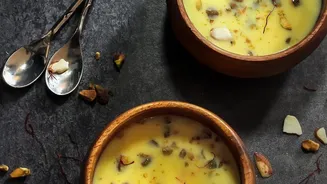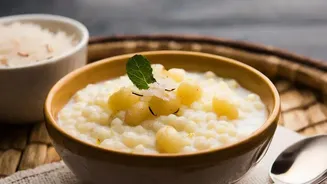


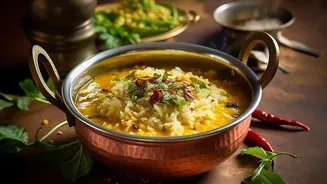
What Exactly Is Sabudana Rasmalai?
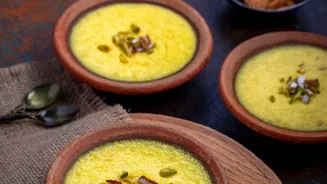
At its heart, Sabudana Rasmalai is a creative reinterpretation of the classic rasmalai. Traditional rasmalai features soft, spongy discs of chenna (a fresh, unripened cheese) soaked in a fragrant, sweetened milk known as rabri. This fusion dessert swaps
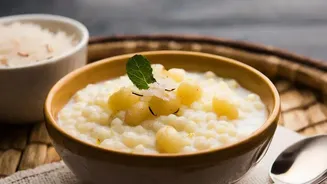
the chenna discs for patties or balls made from sabudana, or tapioca pearls. The result is a dessert that looks familiar but offers a uniquely comforting texture. The sabudana is typically soaked, cooked, and often blended or bound with ingredients like milk powder and a little sugar to form a dough. This dough is then shaped into small, flat discs or balls, which are gently simmered in the sweet, cardamom- and saffron-infused milk until they become soft and absorb the flavours.
The Genius of the Fusion
The brilliance of this swap lies in its simplicity and texture. Making perfect, soft chenna from scratch can be a tricky and time-consuming process. Sabudana offers a widely available and forgiving alternative, making the dessert much more accessible for home cooks. Texturally, it’s a fascinating evolution. Instead of the delicate, slightly crumbly texture of chenna, sabudana provides a soft, springy, and slightly chewy quality that is immensely satisfying. These pearls are excellent at absorbing flavour, meaning each bite is saturated with the creamy, aromatic rabri. Furthermore, since sabudana is a common ingredient for fasting (vrat) days in many Indian households, this dessert often fits perfectly into festive menus where traditional grains might be avoided.
How It Comes Together in the Kitchen
While recipes vary slightly, the general process is straightforward. First, sabudana pearls are washed and soaked for a few hours until they become soft. After draining any excess water, they are often ground into a coarse paste, sometimes with milk powder and a touch of sugar to help with binding and richness. This mixture is then kneaded into a soft dough and shaped by hand into small patties. Meanwhile, the soul of the dish—the rabri—is prepared by boiling full-fat milk and reducing it until it thickens. It's then sweetened and flavoured with classics like cardamom powder, saffron strands, and a garnish of chopped nuts like pistachios and almonds. The prepared sabudana patties are gently dropped into the simmering milk and cooked for several minutes until they become tender and translucent, soaking up the creamy liquid. The dessert is best served chilled, allowing the flavours to meld and deepen.
A Symbol of Modern Indian Cooking
Sabudana Rasmalai is more than just a clever hack; it represents a larger trend in modern Indian kitchens. It’s part of a wave of Indian fusion desserts that honour traditional flavours while embracing convenience and creativity. Home cooks and food bloggers are constantly finding new ways to reinvent classics, from Gulab Jamun Cheesecake to Rasmalai Cake. This particular dessert showcases resourcefulness by taking a humble pantry staple like sabudana—often reserved for khichdi or kheer—and elevating it into a showstopping sweet. It’s a testament to the playful, innovative spirit of home cooking, proving that you don’t need complicated techniques or ingredients to create something that feels both new and nostalgically delicious. It perfectly balances the comforting taste of rasmalai with an entirely new textural experience.