



The Old View of a Quiet Planet
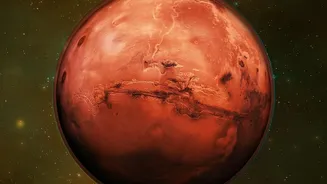
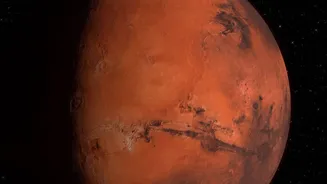
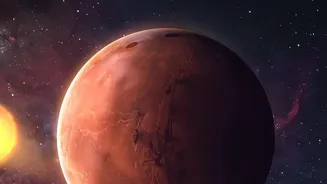
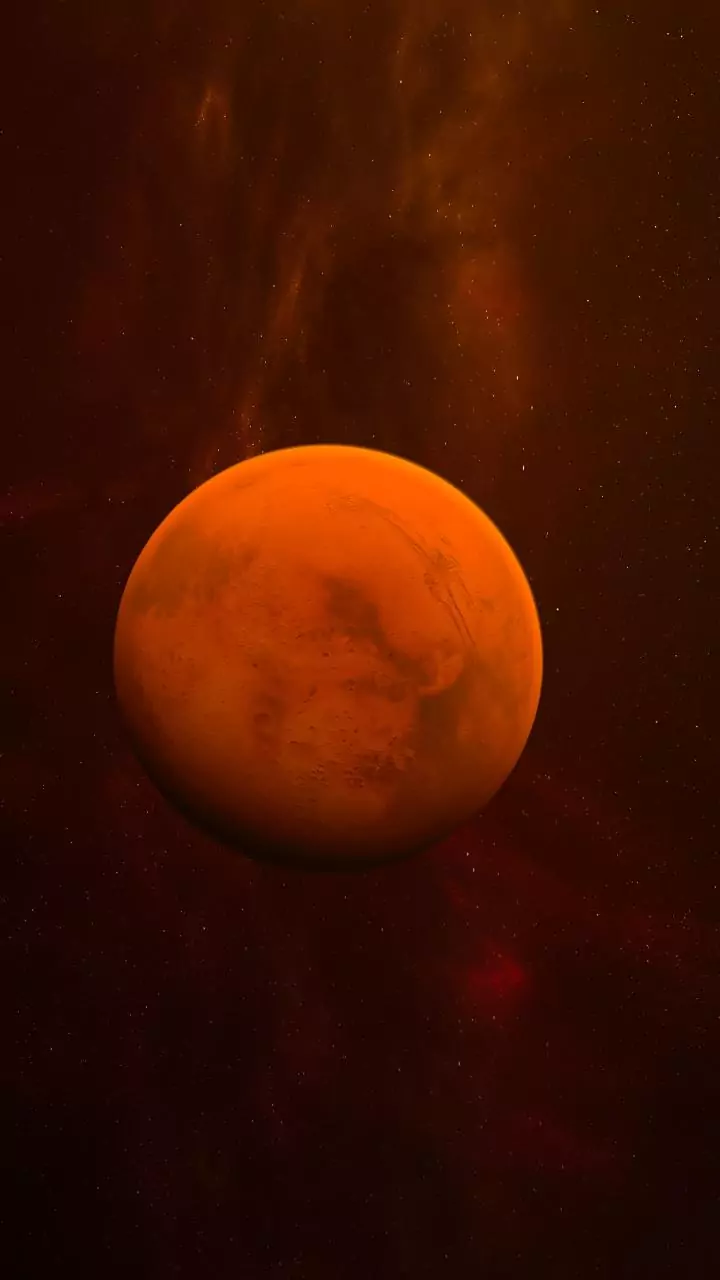
For decades, the prevailing view of Mars was that of a geologically simpler, quieter sibling to Earth. Our planet's surface is broken into tectonic plates that shift and slide, driving everything from earthquakes to the formation of continents and massive
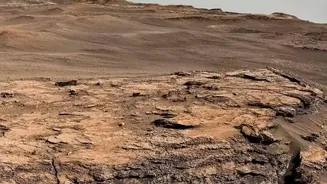
volcanic chains. Mars, on the other hand, is a 'stagnant lid' planet; its crust is one solid piece. Scientists believed this meant its volcanoes, like the colossal Olympus Mons, were fed by relatively simple, isolated magma chambers deep below. The thinking was that without the dynamic engine of plate tectonics, Mars couldn't have developed the complex, interconnected geological systems seen on Earth.
A Seismic Surprise from InSight
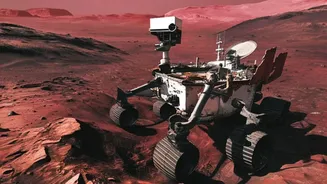
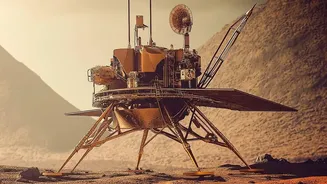
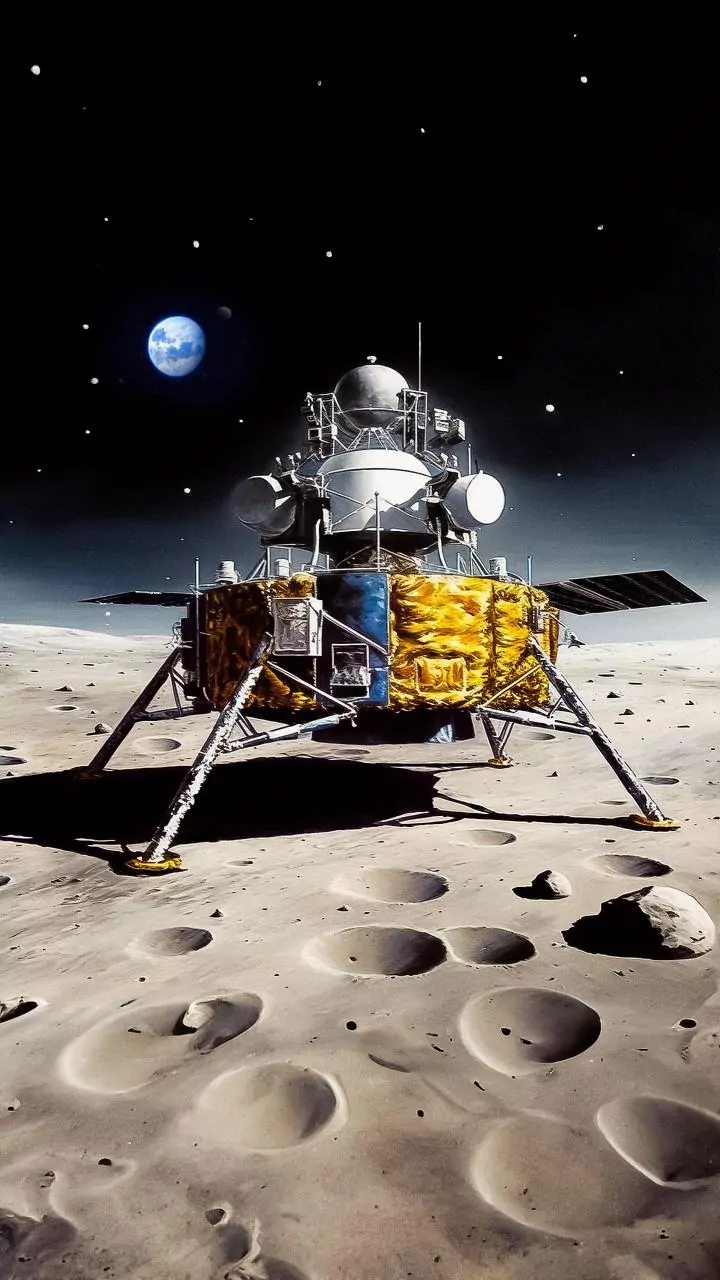
This long-held view has been shaken up by data from a silent sentinel: NASA's InSight lander. From its landing in 2018 until its retirement in 2022, InSight used an ultra-sensitive seismometer to listen for 'marsquakes'. By studying how the waves from these quakes and meteorite impacts travelled through the planet, scientists could finally get a detailed picture of its interior. A recent study led by researchers at the University of Oxford, published in Nature Astronomy, analyzed these seismic recordings and uncovered a major surprise. They found evidence of a mysterious geological boundary about 24 kilometers beneath the surface, suggesting a vast, hidden network of ancient magma.
What Is This 'Plumbing'?
The term 'plumbing' refers to what scientists call a transcrustal magmatic system. The data suggests that molten rock once pooled deep underground, not in isolated pockets, but in enormous interconnected systems that could have stretched for hundreds or even thousands of kilometers. As this magma cooled over geological time, it separated. Heavier, dense crystals sank to form a thick layer at the base of the crust, while lighter, more evolved molten rock rose towards the surface. This is the boundary that InSight's data detected. It implies that instead of individual volcanoes with their own separate fuel tanks, Mars once had a shared, planet-spanning network of magma deep within its crust.
Why a Connected Interior Changes Everything
This discovery is more than just a geological curiosity; it fundamentally changes our understanding of how Mars evolved. This kind of complex magmatic system was thought to be possible only on planets with plate tectonics, like Earth. Proving it could happen on Mars means that rocky planets may not need plate tectonics to develop complex crusts and geological activity. Such large-scale volcanism could have played a crucial role in Mars's early history by belching huge amounts of greenhouse gases into the atmosphere. This, in turn, could have helped to thicken the atmosphere, regulate the climate, and keep the planet warmer for longer, potentially creating more favorable conditions for liquid water and, just possibly, life.
A New Look at Distant Worlds
The implications of this Martian discovery extend far beyond the Red Planet. It forces a rethink of what makes a planet potentially habitable. Scientists have often used the presence or absence of plate tectonics as a key criterion when evaluating exoplanets in other star systems. If Mars, a planet without plate tectonics, was able to generate such complex internal geology, it suggests the range of worlds that could support habitable environments might be wider than we assumed. The processes that create chemically diverse environments, cycle elements, and sustain heat flow—all considered important for life—may not be exclusive to Earth-like planets. Mars, it seems, managed to do it in its own unique way, providing a new blueprint for what to look for in the search for life elsewhere in the universe.