






Deconstructing 'Double Carbing'
The term 'double carbing' refers to eating two carbohydrate-rich foods in the same meal, like having rice with a side of potatoes, or pasta served with garlic bread. In many food cultures, these combinations are completely normal. However, the practice
has gained a negative reputation, often associated with rapid weight gain and blood sugar spikes. The concern is that by loading up on two carb sources, you are consuming an excessive amount of calories and carbohydrates in one sitting. This can lead to a significant rise in blood glucose and insulin. Insulin's job is to move sugar into your cells for energy, but high levels can also temporarily suppress the body's ability to burn stored fat.
The Quality Question: Not All Carbs Are Equal
The most important factor often overlooked in the 'double carb' debate is the quality of the carbohydrates themselves. There's a vast difference between refined carbohydrates and complex, unrefined ones. Refined carbs, like white bread, pastries, and sugary drinks, have been stripped of their fibre and nutrients. They are digested quickly, causing that feared spike in blood sugar. In contrast, complex carbohydrates found in whole grains, vegetables, beans, and fruits are packed with fibre, vitamins, and minerals. This fibre slows down digestion, leading to a more gradual release of sugar into the bloodstream, which helps you feel full longer and provides sustained energy. Therefore, a meal with two high-quality, high-fibre carb sources is nutritionally superior to a meal with a single, highly refined carb.
The Quantity Conundrum: Portion Size Is Key
Even with high-quality carbs, quantity remains a crucial piece of the puzzle. Carbohydrates are the body's primary fuel source, providing essential energy for your brain and muscles. However, consuming more energy than your body needs will lead to it being stored as fat, regardless of the source. The problem with many 'double carb' meals isn't the combination itself, but that the portions are often oversized. A healthy plate, according to many nutritionists, should consist of roughly one-half non-starchy vegetables, one-quarter lean protein, and just one-quarter for carbohydrates or starchy foods. Learning to visualise portion sizes—for instance, a serving of carbs is often compared to the size of a deck of cards or a cupped hand—can be a powerful tool for managing intake without completely eliminating foods you enjoy.
Building a Better, Balanced Plate
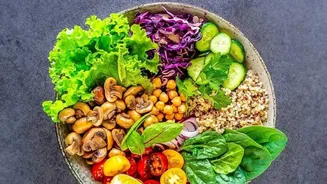
Instead of fearing the combination of carbs, focus on building a balanced meal. A meal of grilled chicken (protein), a large serving of broccoli (fibre and vegetables), a small portion of brown rice, and a small portion of roasted sweet potato can be perfectly healthy. While it technically involves 'double carbing', the carbohydrates are complex, nutrient-dense, and portion-controlled. The abundant fibre from the vegetables and whole grains will promote satiety and moderate the blood sugar response. Compare this to a single-carb meal of a large bowl of plain white pasta, which offers far less nutritional value and will likely cause a more dramatic spike and subsequent crash in energy. The key is to ensure carbs are just one component of your meal, not the entire focus.
Rethink Your Meal, Not Just the Carbs
Ultimately, fixating on a single rule like 'never double carb' is a form of dietary tunnel vision. It distracts from the principles that truly matter for long-term health: balance, moderation, and nutrient density. The quality of your diet is more significant than whether you follow a low-carb or high-carb plan. Healthy eating patterns consistently feature plenty of vegetables, fruits, whole grains, and lean proteins. Rather than banning bread from your pasta night, consider switching to whole-wheat pasta, reducing the portion size, and adding a large, fresh salad or a side of grilled vegetables to your plate instead of garlic bread. This approach improves the overall nutritional quality of your meal, helping you achieve your health goals without feeling deprived or confused by overly simplistic rules.