



The Cardio and Calorie Question
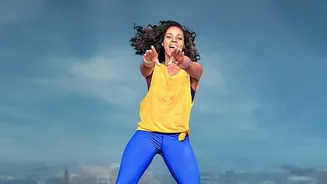
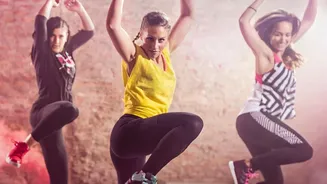
Both Zumba and roller skating are excellent for cardiovascular health, elevating your heart rate and boosting endurance. Zumba, structured as an interval workout, alternates between high- and low-intensity dance sequences. A typical one-hour class can
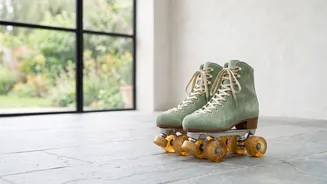
burn anywhere from 300 to 900 calories, depending on the intensity and your effort level. Research shows an average burn of about 9.5 calories per minute, placing it ahead of cardio kickboxing and step aerobics for many people. Roller skating provides a steady aerobic workout that can also torch calories. Skating at a moderate, consistent pace for an hour can burn around 400-600 calories. The key difference is in the delivery: Zumba's cardio is a guided, high-energy party with built-in intensity changes, while skating's cardio intensity is largely determined by your own pace and effort, allowing for a more meditative, flowing state.
Muscle Toning and Full-Body Engagement
Zumba is considered a full-body workout. The Latin-inspired dance moves, which include squats, lunges, and hip movements, heavily engage the core, glutes, and legs. While a standard Zumba class is primarily cardio, specialized classes like Zumba Toning incorporate light weights to also target the arms and build muscular endurance. Roller skating is a powerhouse for the lower body. It intensely works the glutes (especially the gluteus medius for stability), quads, hamstrings, and calves. Your core is also constantly engaged to maintain balance and stability while gliding. While not an upper-body workout, the need for balance ensures your entire body is active. For building lower-body and core strength, skating provides a consistent challenge, whereas Zumba offers a more varied, all-over toning experience, particularly if you opt for a class with weights.
The Rhythm Factor
Rhythm is central to both activities, but in different ways. Zumba is built on choreography that is intrinsically tied to the beat and style of the music, from salsa to reggaeton. The goal is to follow the instructor and move in sync with the group, making rhythm a structured and shared experience. You don't need to be a great dancer, as the steps are repetitive and easy to learn. In contrast, roller skating's rhythm is more personal and free-form. Known as rhythm skating or soul skating, it's about finding your own groove and letting the music guide your flow. It involves smooth, controlled movements, slides, and turns that are dictated by your sense of musicality. While Zumba asks you to match a pre-set rhythm, roller skating invites you to create your own.
Impact, Injury Risk, and Accessibility
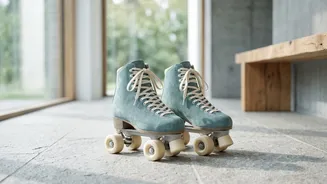
Roller skating is a low-impact activity, making it much gentler on the joints than running. The smooth, gliding motion minimizes stress on the knees and ankles. The primary risk comes from falls, so protective gear like wrist guards, knee pads, and a helmet is essential, especially for beginners. Zumba, on the other hand, often involves high-impact movements like jumping and bouncing. These can be modified for lower impact, but the twisting and side-to-side motions can pose a risk for knee, ankle, and hip injuries if not performed with proper form or on the right flooring. Wearing shoes designed for dance or lateral movement, rather than running shoes, can help prevent injury. In terms of accessibility, Zumba classes are widely available at gyms and community centers, and virtual options abound. Roller skating requires a pair of skates and access to a safe, smooth surface like a rink or a paved trail.