
The Golden Rule of Balance
The key to successfully mixing vintage colours with modern design is balance. A common guideline among designers is the 80/20 rule: 80% of your space should be modern and neutral, while 20% can be a vibrant, vintage-inspired statement. This ensures the retro
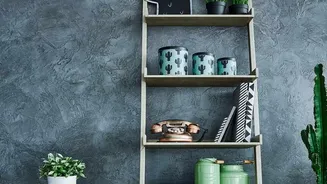
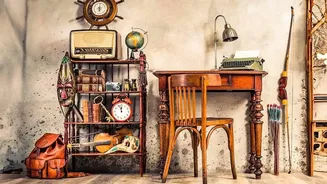
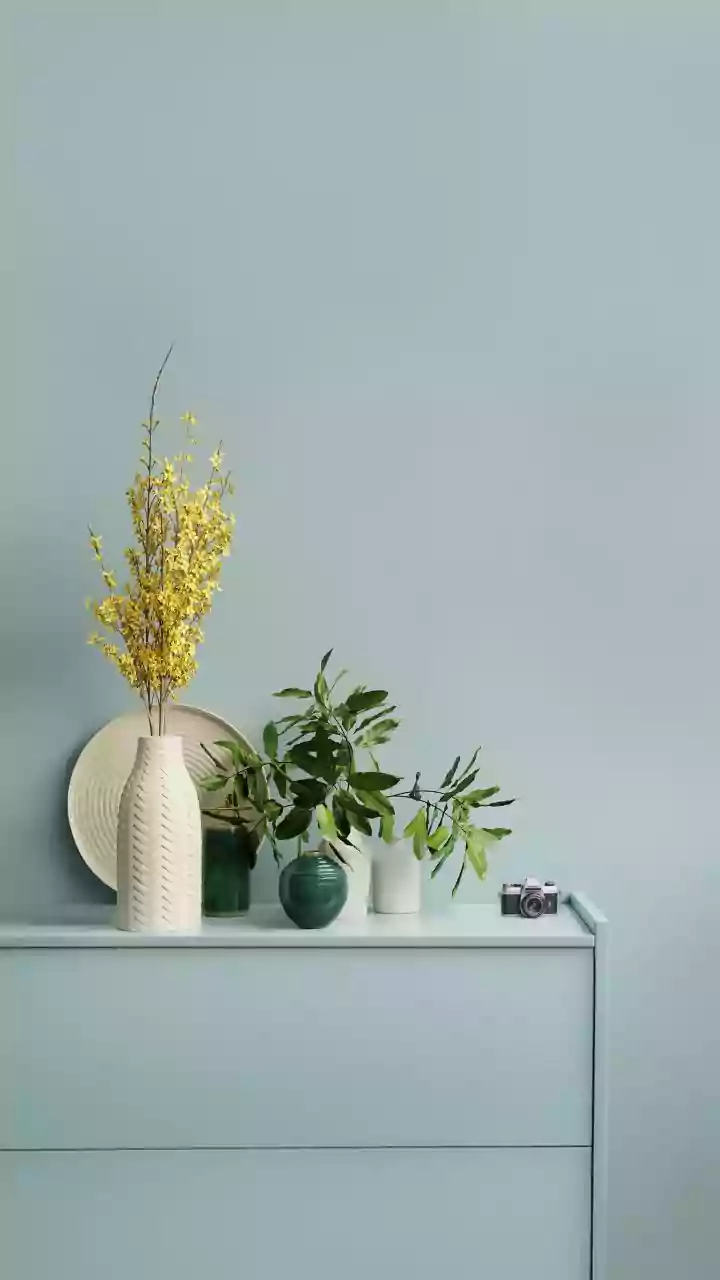
shades act as a thoughtful accent rather than overwhelming the room. Modern aesthetics thrive on clean lines and uncluttered spaces, which provide the perfect canvas. Your vintage colours can then be introduced through a feature wall, a signature piece of furniture, or curated decor items, creating a dynamic yet cohesive look.
Palette 1: Mid-Century Earth Tones
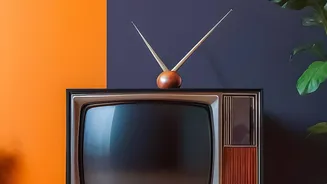
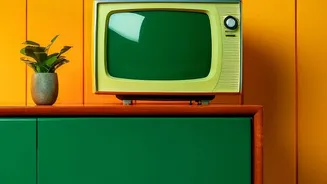
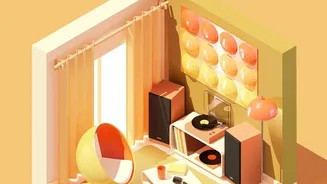
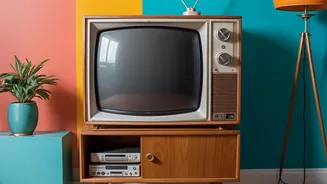
The mid-century modern era (roughly 1940s-1960s) is famous for its earthy and optimistic palette. Think warm and inviting shades like mustard yellow, olive green, burnt orange, and rich teak brown. These colours are rooted in nature and pair beautifully with the organic materials popular in both mid-century and contemporary Indian homes, such as wood, stone, and rattan. To integrate them, consider a mustard yellow armchair in a living room dominated by grey and white. Or, use burnt orange for cushion covers and throws to add warmth to a neutral bedroom. These hues bring in personality without sacrificing sophistication.
Palette 2: 70s Bohemian Hues
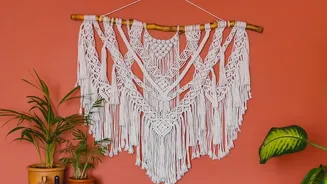
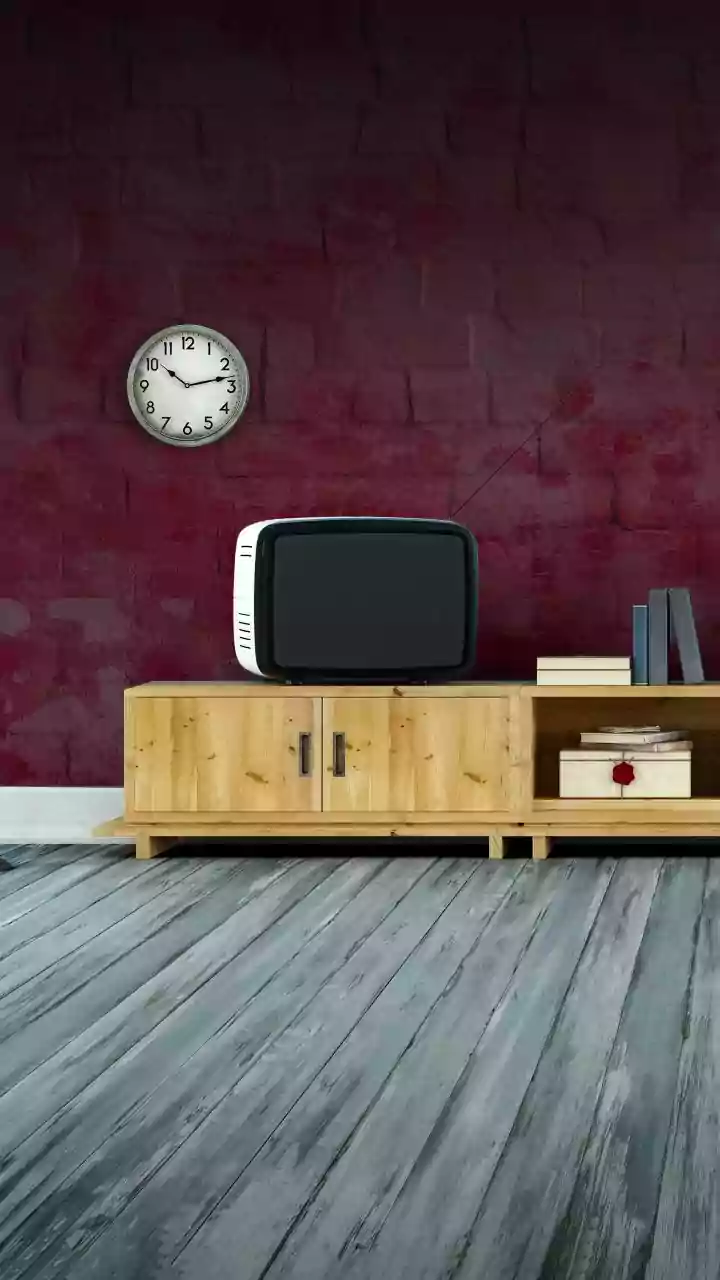
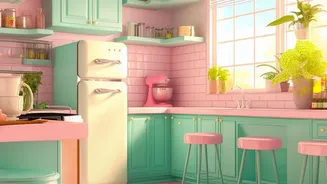
The 1970s were all about self-expression, and its colour palette reflects that with a grounded, bohemian vibe. Key colours include avocado green, harvest gold, terracotta, and deep maroon. These shades have seen a massive resurgence, prized for the sense of comfort and nostalgia they evoke. In a modern setting, use terracotta on a single accent wall in your dining area to create a warm, inviting atmosphere perfect for gatherings. Avocado green can be used for kitchen cabinetry, paired with crisp white countertops and brass hardware for a look that is both retro and incredibly chic. The goal is to use these colours in bold, confident strokes against a modern backdrop.
Palette 3: Art Deco Jewel Tones
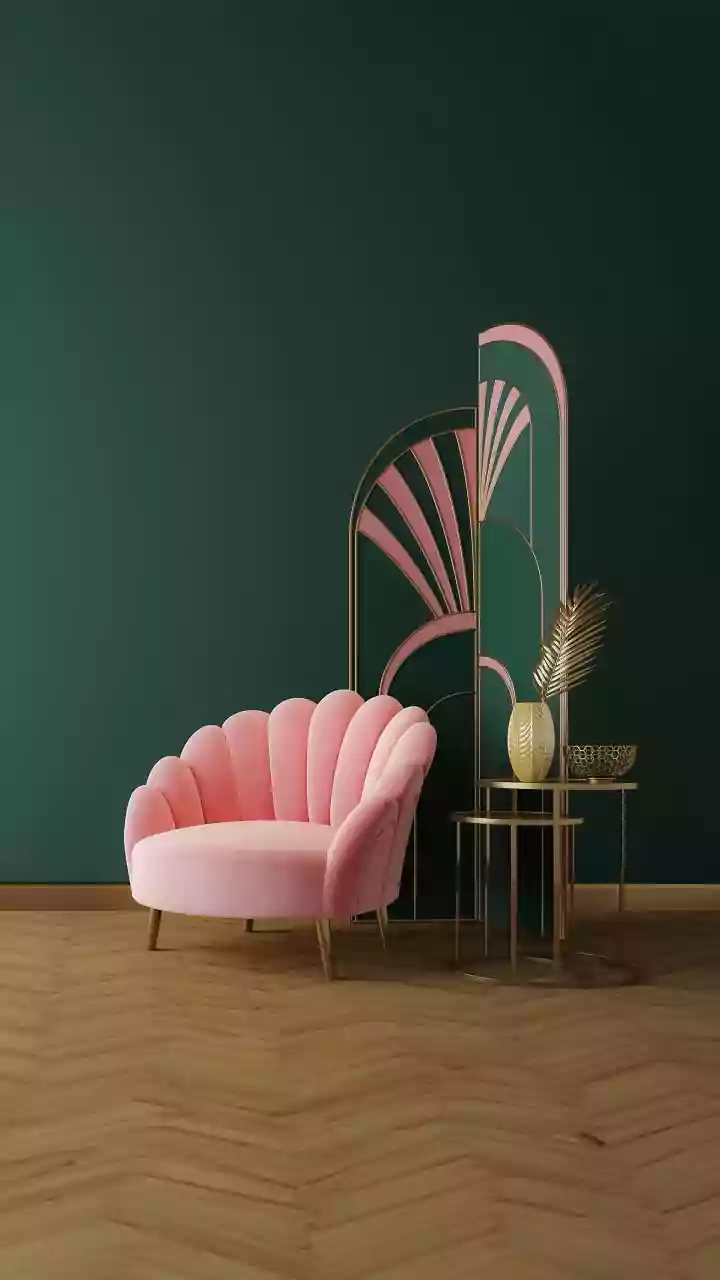
For a touch of glamour and opulence, look to the Art Deco period of the 1920s and 30s. This era was defined by luxurious jewel tones: emerald green, sapphire blue, ruby red, and amethyst purple, often paired with gold or brass accents. These colours work exceptionally well in a modern home to create drama and a sense of luxury. Imagine a plush velvet sofa in emerald green as the centrepiece of your living room, or a bedroom painted in a deep sapphire blue for a moody, cocooning effect. Because these colours are so rich, they are best used for statement pieces that you want to draw the eye.
Beyond the Paint: Textiles and Decor
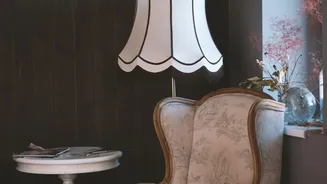
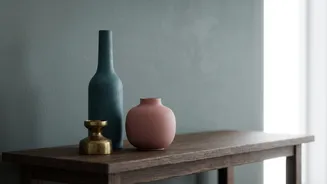
Adding vintage colour doesn't have to involve a paintbrush. Textiles are one of the easiest and most effective ways to experiment. Think curtains, rugs, and upholstery. A rug with a bold, retro pattern can instantly anchor a room and introduce a vintage palette. Look for traditional Indian textile patterns like Bandhani or Block Prints, which often feature the vibrant reds, yellows, and blues that align with vintage aesthetics. Similarly, artwork, ceramic vases, and statement lighting in shades like teal or amber can provide that perfect pop of nostalgic colour, allowing you to test the waters before committing to a larger change.