




A New Age of Accountability
A storm is brewing in Mumbai’s food scene, and it’s not in a chef’s pot. A sweeping crackdown on unhygienic eateries by the Maharashtra Food and Drug Administration (FDA) has gone viral, capturing public attention. Led by FDA Commissioner Tukaram Mundhe,
who has gained a celebrity-like following, the drive involves surprise inspections that are as swift as they are revealing. These aren't just routine checks; graphic images and videos of rats, cockroaches, expired food, and filthy kitchens are being released publicly, often spreading like wildfire on social media. This blend of official action and digital exposure is creating unprecedented pressure on establishments, from humble street vendors to high-end restaurants and even global fast-food chains like Domino's and Pizza Hut.
The FDA's Unprecedented Crackdown
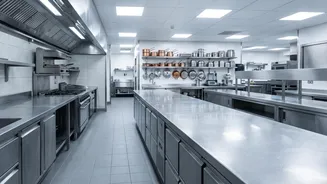
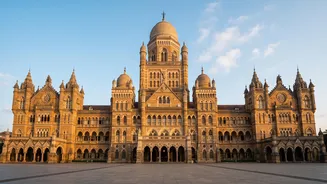
Since May 2026, the FDA under Mundhe has conducted over 3,000 raids across Maharashtra. In recent weeks, this has resulted in dozens of license suspensions and improvement notices in the Mumbai metropolitan area alone. In late August, prominent names like South Mumbai's Ayub's had its license suspended for violations including storing eggs at room temperature and inadequate pest control. Other actions targeted eateries at the Mumbai Cricket Association, a college canteen in Navi Mumbai, and even canteens at the Bombay High Court, sending a clear message that no one is exempt. The violations cited are often alarming: fungal growth on vegetables, cockroaches in kitchens, employees washing their faces over clean utensils, and improper segregation of raw and cooked food. The value of seized goods, including adulterated products and banned substances, has run into crores.
The Power of a Viral Post
What makes this crackdown different is its viral nature. While the FDA has conducted inspections for years, the current drive leverages social media to create immediate public awareness. Details from inspection reports, often accompanied by shocking photos, are shared widely, naming and shaming violators. This puts immense pressure on restaurants long before official penalties are finalized. The court of public opinion acts fast, and the reputational damage from a viral post about an unhygienic kitchen can be more devastating than a regulatory fine. This dynamic has empowered consumers, who now see social media as a direct channel to demand accountability, while restaurants are forced to confront the reality that a clean dining room is no longer enough to hide a dirty secret.
Restaurants Scramble to Adapt
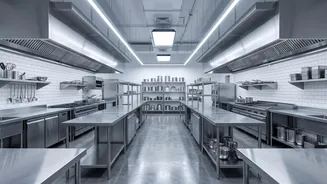
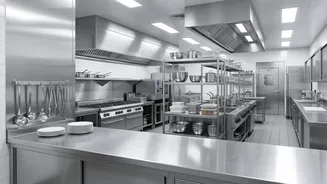
The industry's reaction has been a mix of compliance and consternation. Many eateries are reportedly scrambling to deep-clean their kitchens, upgrade storage systems, and retrain staff on hygiene protocols. Some street food vendors have proactively switched to better quality ingredients and started wearing gloves. However, some business owners feel the measures are overly strict and that they should be given more time to comply with the changes. The choice is becoming stark: invest in hygiene and transparency, or risk suspension and public backlash. The ongoing raids have forced a city-wide conversation about the cost of compliance versus the much higher cost of losing consumer trust.
A New Standard for the Mumbai Diner
For the average diner, this movement is a game-changer. The Food Safety and Standards Act, 2006 has always provided citizens the right to safe and hygienic food, but enforcement has been inconsistent. Now, armed with information and the power of social media, customers are more discerning than ever. They are no longer just customers, but active participants in upholding standards. This new reality means checking a restaurant's social media tags for red flags might become as common as checking its menu. The expectation is shifting from assuming an eatery is clean to demanding proof of it. This has sparked calls for a more transparent system, like public hygiene ratings, to help consumers make informed choices. Ultimately, the viral raids are fostering a culture where food safety is not a behind-the-scenes issue but a fundamental, non-negotiable part of the dining experience.