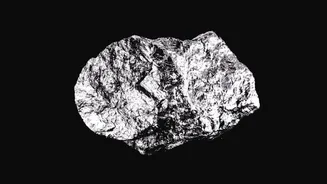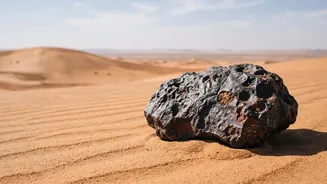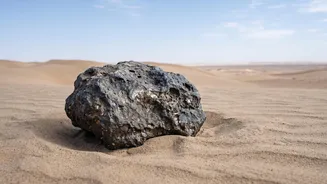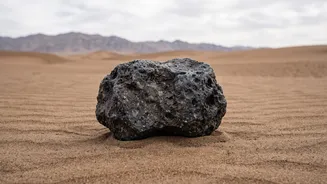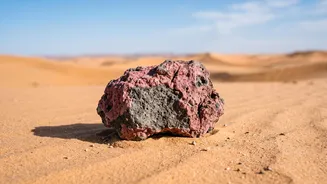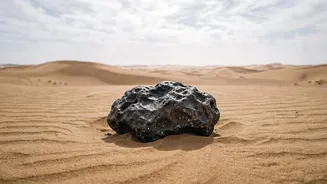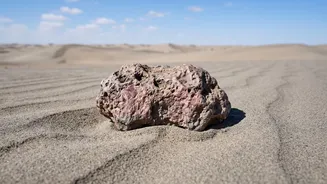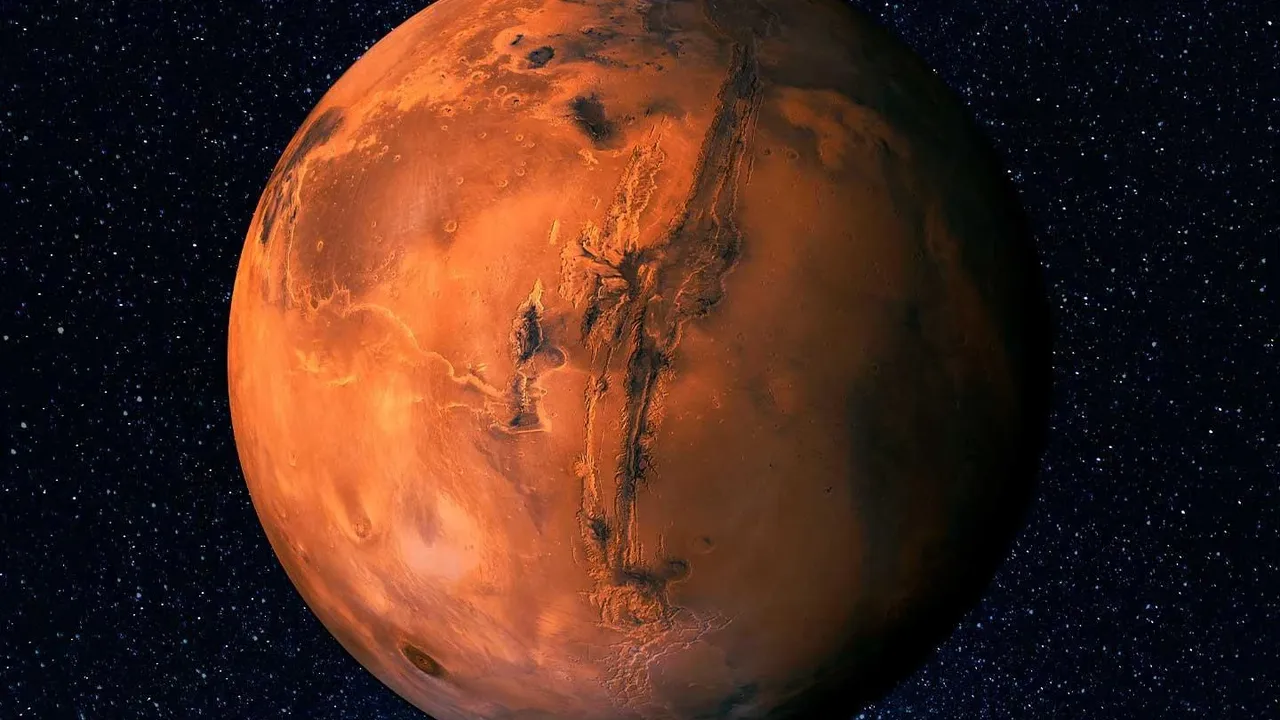



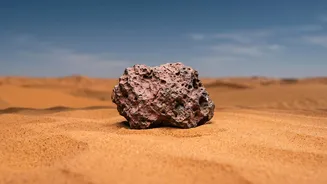
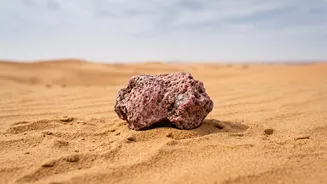
Imagine a rock, older than almost any on Earth, taking a journey across millions of kilometres of space. Thrown from the surface of Mars by a cosmic collision, it wandered the solar system before landing in our planet’s Sahara Desert.
A Rose-Coloured Stone in the Sand
In 2022, meteorite
hunters discovered a peculiar, rose-coloured stone weighing about 800 grams in the Teghaza salt plains of Mali. This rock, now officially named Teghaza 001, was not just another desert stone. Scientists quickly suspected it might be special, and initial analysis confirmed it was one of only about 435 meteorites found on Earth known to have come from Mars. These extraterrestrial visitors are incredibly rare, acting as free samples from our planetary neighbour, delivered right to our doorstep. Unlike most meteorites, which come from asteroids, Martian meteorites provide a direct window into the geology and history of the Red Planet.
The Violent Journey From Mars to Earth
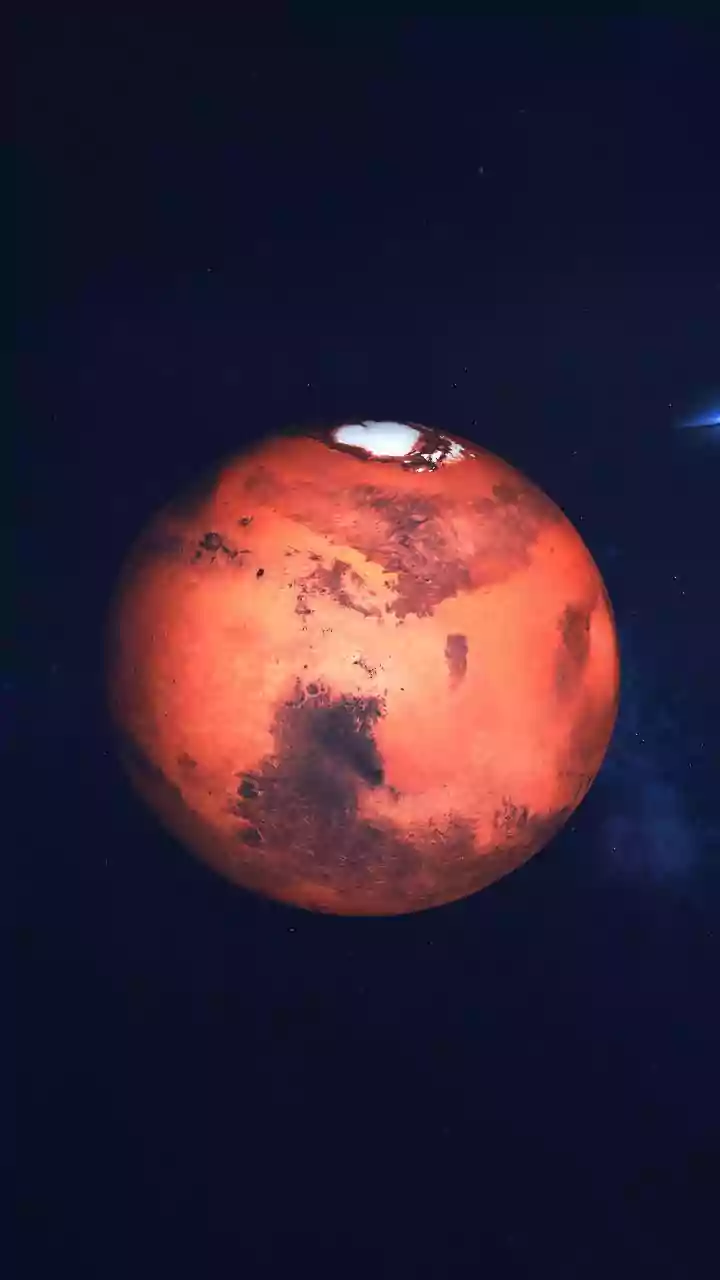
How does a piece of Mars end up in an African desert? The process is as violent as it is incredible. Millions or even billions of years ago, a large asteroid or comet would have slammed into Mars with immense force. Because Mars has weaker gravity than Earth, the impact was powerful enough to blast pieces of the Martian surface into space, overcoming the planet's gravitational pull. These fragments then became tiny celestial travellers, orbiting the Sun for potentially millions of years. Eventually, the path of Teghaza 001 intersected with Earth's orbit, where our planet's stronger gravity pulled it in. Surviving a fiery entry through our atmosphere, it finally landed in the Sahara, waiting to be found.
Reading the Martian Fingerprints
Confirming a rock is from Mars is a meticulous process of scientific detective work. Scientists don't just guess; they look for definitive chemical and mineral 'fingerprints'. One of the most conclusive tests involves analysing trapped gases within the meteorite. Some Martian meteorites contain tiny pockets of gas that perfectly match the atmospheric composition of Mars, as measured by NASA's Viking landers in the 1970s. Another key method is analysing oxygen isotopes. The specific ratios of different types of oxygen atoms are unique to each planetary body, and the signature in Teghaza 001 matched that of other known Martian rocks. Its unique mix of minerals, including pyroxene and feldspar, further distinguished it from terrestrial rocks and other meteorite types.
A 'Rosetta Stone' for Ancient Mars
Teghaza 001 is not just any Martian rock; it is one of the oldest ever found, earning it the nickname 'a Rosetta Stone for Mars'. Using advanced dating techniques on zircon crystals within the meteorite, scientists determined it formed over 4.1 billion years ago, during Mars's infancy. This makes it a priceless snapshot of the planet's primordial crust. Unlike many younger Martian meteorites, Teghaza 001 tells a two-part story: it first crystallized from cooling magma and then was chemically altered by liquid water flowing beneath the Martian surface around 4.1 billion years ago. This provides strong evidence that a more active water cycle existed on early Mars, long before it became the cold, dry world we see today.
What This Ancient Messenger Tells Us
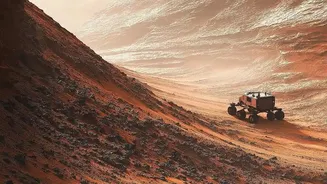
The implications of Teghaza 001 are profound. It comes from a part of the Martian crust never sampled before, likely the heavily cratered southern highlands, based on data from NASA's Mars Reconnaissance Orbiter. The evidence of water interaction so early in the planet's history supports the idea that ancient Mars may have had the necessary ingredients to be habitable. While it doesn't prove life ever existed there, it strengthens the case that conditions were once far more favourable. Each new Martian meteorite like Teghaza 001 adds a crucial piece to the puzzle of how Mars formed, how it evolved, and why its path diverged so dramatically from Earth's.