




Master Your Airflow
The battle against dampness is won or lost with ventilation. While it’s tempting to shut everything against the rain, stagnant air is humidity’s best friend. The key is strategic ventilation. When it’s not actively raining, open windows and doors on opposite
sides of the house to create a cross-breeze that pushes moist air out. For stuffy areas like bathrooms and kitchens, using an exhaust fan for 15-20 minutes after a hot shower or cooking session is non-negotiable. At night, or when it's pouring, keep windows shut to prevent rain and excess humidity from entering. A well-circulated home is the first step towards a dry one.
Fight Dampness at the Source
Before the first major downpour, conduct a thorough check for any potential leaks. Inspect walls, ceilings, and window frames for cracks where water might seep in and have them sealed. Inside the home, deploy natural moisture absorbers. A bowl of coarse rock salt or charcoal placed in a damp corner can work wonders by pulling moisture from the air. For enclosed spaces like wardrobes and cabinets, silica gel packets are incredibly effective. Instead of throwing away the little sachets that come with new bags or shoes, collect them and place them on shelves to protect your belongings.
Protect Your Furniture and Wardrobe
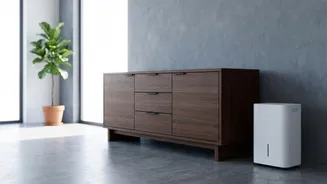
Wooden furniture is especially vulnerable during the monsoon, as humidity can cause it to swell and warp. A pre-monsoon coat of wax or polish can create a protective barrier. It's also wise to move wooden pieces a few inches away from damp-prone external walls to allow for air circulation behind them. For your clothes, the biggest enemies are mildew and musty smells. Ensure your wardrobe isn’t packed too tightly. Leave some space between garments for air to move. Placing camphor balls, neem leaves, or cloves in the corners of your cupboard can help repel moisture and insects. It’s also crucial to ensure clothes are completely dry before putting them away.
Revamp Your Cleaning Strategy
Your cleaning routine needs a monsoon-specific upgrade. Since damp floors can be a breeding ground for germs, add a disinfectant to your mopping water. Always ensure the floor is wiped completely dry to prevent slips and moisture buildup. Pay extra attention to cleaning areas that tend to get damp, like bathrooms and kitchen counters. Roll up and store heavy carpets for the season, as they can trap a significant amount of moisture and develop mould. Opt for lighter bamboo or plastic mats that are easier to clean and dry. This is also the time to regularly dust and wipe down surfaces, as mould can feed on accumulated dust.
Keep Unwanted Pests Away
The damp and humid conditions are an open invitation for pests like cockroaches, ants, and mosquitoes. The most important step is to maintain a clean kitchen. Wipe down counters with a mix of white vinegar and water to erase ant trails, and don't leave food out in the open. Ensure there is no stagnant water in or around your house, as these are breeding grounds for mosquitoes. Natural repellents can be very effective; placing bay leaves in cabinets can deter cockroaches, while the smell of camphor or eucalyptus oil can keep flies and mosquitoes at bay. Sealing any cracks or openings around pipes and drains will also help block entry points for these unwelcome guests.