

The Joy of a Shared Table
The trend of sharing plates is about more than just food; it’s about creating a more interactive and memorable experience. When a table decides to order collectively, the meal transforms from a set of individual orders into a communal feast. This approach
has numerous benefits. Firstly, it allows everyone to become a culinary explorer, tasting a variety of dishes instead of being limited to a single entrée. For food lovers, this is the ultimate way to experience a restaurant's full range. Secondly, it’s a practical solution to the common problem of overordering and food waste. By selecting a few dishes to share, the group can better match its collective appetite. Finally, and perhaps most importantly, it fosters connection. The act of passing plates, discussing flavours, and discovering new favourites together creates a relaxed and engaging atmosphere that strengthens social bonds.
How to Orchestrate the Perfect Group Order
Successfully ordering for a group requires a bit of strategy to ensure everyone is happy. The first step is to get buy-in and discuss preferences. Before any decisions are made, check for dietary restrictions, allergies, and spice level tolerances. It's also helpful to appoint a 'table captain'—one person who can consolidate the order and communicate with the server. This person can guide the discussion, perhaps suggesting a mix of vegetarian and non-vegetarian items, or a balance between familiar comforts and more adventurous choices. A good rule of thumb is to start with fewer dishes than you think you’ll need; you can always add more later if the group is still hungry. This prevents the table from being overwhelmed with food and helps manage the final bill.
Choosing Shareable Dishes
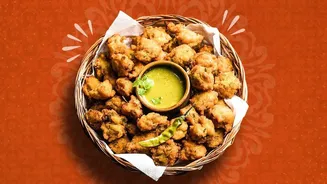
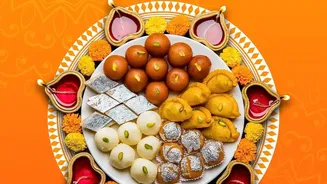
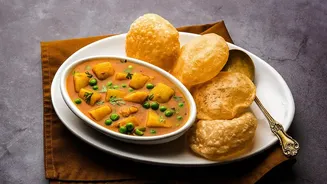
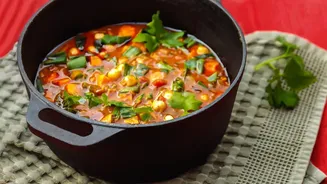
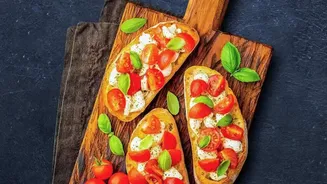
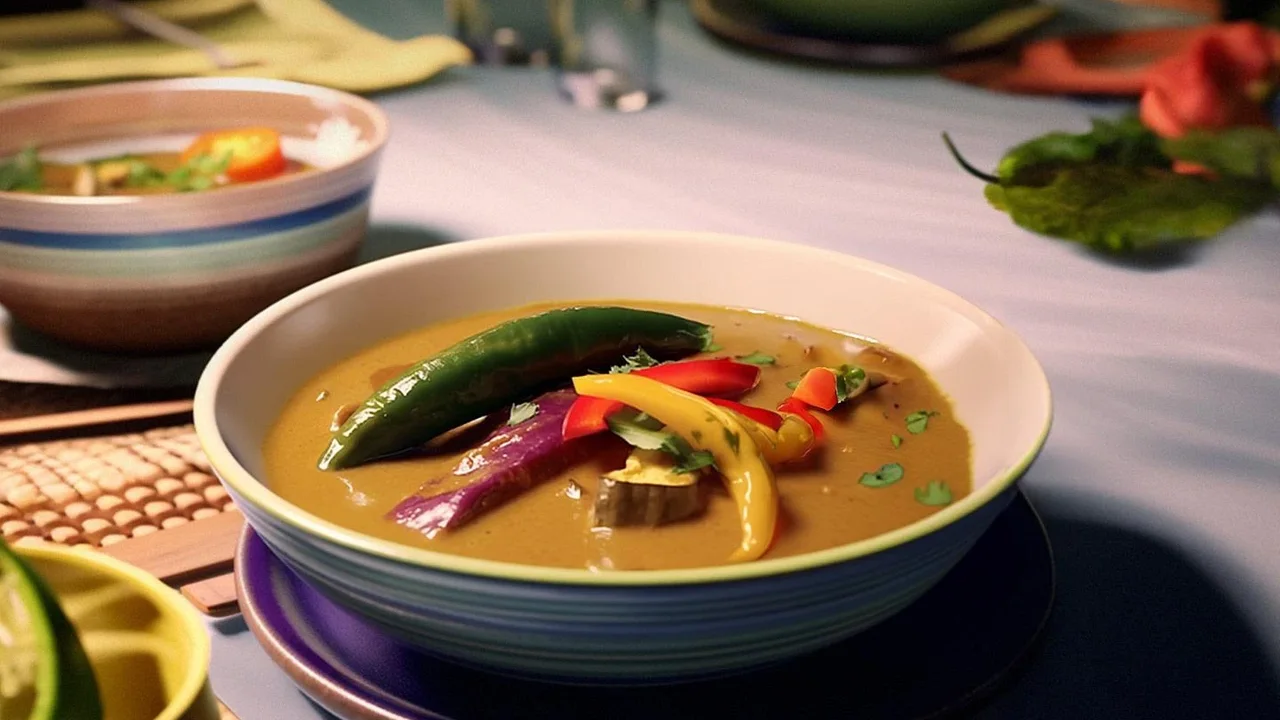
Not all dishes are created equal when it comes to sharing. The best options are those that can be easily divided. In the context of Indian dining, this is often second nature. Items like platters of kebabs, bowls of dal and curries served with naan or rice, and various chaats are inherently designed for a communal experience. Small plates, appetisers, and pizzas are also excellent choices for any cuisine. Dishes to be wary of include complexly plated individual meals, where deconstruction would ruin the chef's presentation, and items like soups, which are difficult to portion out hygienically. The goal is a clean and easy handoff, often using a bread plate to transfer a portion from the main serving dish. When in doubt, ask the restaurant staff for their recommendations on family-style dishes.
Navigating Group Etiquette
Sharing food involves a certain social grace. The golden rule is to be considerate. Before ordering, it's crucial to have a transparent conversation about how the bill will be split. If splitting evenly, everyone should feel comfortable with the price range of the dishes being selected. When the food arrives, don't dive in for seconds until everyone has had a chance to try a dish. Be mindful of others' preferences; for example, don't add extra salt or spice to a communal dish without asking. It is also important to respect when someone doesn't want to share their meal or participate in the group order. The aim is to make the experience enjoyable for everyone, and that starts with clear communication and mutual respect.