




Along the bustling highway connecting Delhi and Lucknow, an unassuming village has become a mandatory stop for travellers. This is Maigalganj, a place that owes its fame not to a historic fort or temple, but to a beloved Indian sweet.
A Sweet Stop on a Long Highway
For anyone who has
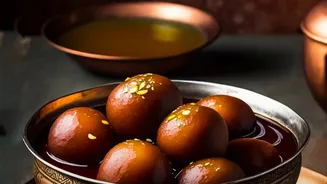
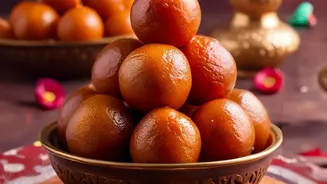
travelled National Highway 24 (now part of NH 30), the sight of Maigalganj is a welcome one. Located in the Lakhimpur Kheri district of Uttar Pradesh, this village breaks the monotony of the long drive with a singular, irresistible promise: fresh, hot gulab jamuns. A stretch of the highway, less than a kilometre long, is lined with dozens of shops, all dedicated to perfecting this one sweet. Reports mention anywhere from 25 to over 100 vendors, their shops often simply named 'Mashhoor Gulab Jamun Ki Dukan' (Famous Gulab Jamun Shop). It has become a ritual for passengers in buses and cars to stop, stretch their legs, and indulge in the syrupy delight, often served in traditional earthen bowls.
The Birth of a Culinary Legend
The story of Maigalganj's transformation into the 'Village of Gulab Jamuns' reportedly began in 1941. It was then that a man named Dhanpal set up a small shop, Dhanpal Misthan Bhandar. At the time, the area was undeveloped and the road was not the busy highway it is today. Yet, the quality of his gulab jamuns began to attract travellers. Seeing this success, other vendors began to set up their own shops nearby. Over the decades, this cluster of sweet makers grew, and by the 1970s, Maigalganj had become completely synonymous with the dessert. The reputation was sealed; politicians and everyday travellers alike made it a point to stop for the 'Maigalganj gulab jamun'.
What Makes Them So Special?
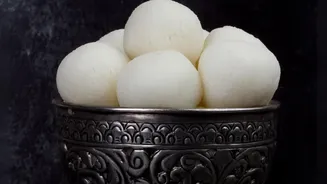
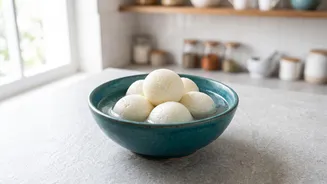
While gulab jamun is a dessert found across India, the ones in Maigalganj have a reputation for freshness and perfect texture. The process is a meticulous art. The main ingredient is khoya, or reduced milk solids, which is mixed with flour and a leavening agent. This dough is shaped into balls and then fried slowly on a low flame to ensure they cook through to the centre without burning on the outside. Once they achieve a golden-brown hue, they are soaked in a sugar syrup that must have the right consistency, often described as 'ek-taar' or one-string, to be absorbed without the balls falling apart. This craft, passed down through generations, results in a sweet that is incredibly soft and spongy, served piping hot to every customer.
More Than Just a Dessert
The impact of the gulab jamun on Maigalganj goes far beyond being a popular snack. The sweet has given the village a unique identity and created a sustainable local economy. The entire ecosystem, from the local dairy farmers supplying the khoya to the generational shop owners and their employees, revolves around this single product. As one long-time worker noted, if you were to remove the gulab jamuns from the equation, Maigalganj would be just another small, anonymous village. It's a powerful example of how a local food business, without any royal patronage or ancient history, can shape a place's destiny and put it on the map purely through taste and quality. The constant stream of visitors ensures there is enough business for everyone, a testament to the sweet's enduring popularity.