
The Golden Rule: Prepare Your Tofu
The foundation of an unforgettable tofu dish is all in the preparation. The number one step you cannot skip is pressing your tofu. Most recipes recommend using extra-firm tofu, which holds its shape well. By pressing the block of tofu for at least 15
to 30 minutes—either with a dedicated tofu press or by wrapping it in paper towels and placing a heavy object on top—you remove excess water. This simple action is crucial because less water allows the tofu to develop a firm, meaty texture and achieve that sought-after crispy exterior when cooked. Some home cooks even tear the tofu into chunks instead of cubing it, creating more craggy edges that crisp up beautifully and hold more sauce.
Mastering the Crisp
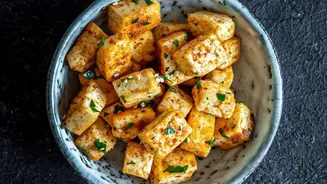
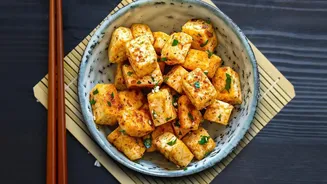
Once your tofu is pressed, the next secret is a light coating of starch. Cornstarch is the most common choice, creating a thin, crisp crust when cooked. Simply toss your pressed tofu cubes in a bowl with a few tablespoons of cornstarch until they are evenly coated. From here, you have options for cooking. Pan-frying is a popular and quick method: heat a neutral oil in a skillet over medium-high heat and fry the tofu for several minutes on each side until golden brown and crunchy. For a lower-oil alternative, you can bake the tofu on a sheet pan at a high temperature (around 220°C) or use an air fryer, which yields excellent crispy results in even less time. The key is to cook the tofu by itself first, before introducing any sauce.
Understanding Gochujang: The Soul of the Sauce
Gochujang is the heart of this dish, providing a unique depth of flavour that defines many Korean classics. It’s a fermented red chilli paste made from glutinous rice, fermented soybeans, chilli powder, and salt. The result is a complex condiment that is simultaneously spicy, sweet, and deeply savoury, or 'umami'. Unlike some hot sauces that are primarily about heat, gochujang offers a more rounded, pungent flavour profile. Its thick, sticky consistency makes it an ideal base for glazes and marinades. You can find it in most Asian markets and many larger supermarkets, with spice levels ranging from mild to very hot, allowing you to customize the heat to your preference.
Crafting the Perfect Gochujang Glaze
A great gochujang sauce balances its intense flavour with other ingredients. While recipes vary, a classic combination involves whisking gochujang with soy sauce (or tamari), rice vinegar, a sweetener like honey or maple syrup, minced garlic, and grated ginger. Some recipes also include sesame oil for nuttiness or a touch of ketchup for sweetness and viscosity. To prepare the glaze, you can simply whisk all the ingredients together in a small bowl. For a thicker, stickier sauce, gently heat the mixture in a skillet for a few minutes until it bubbles and thickens slightly. This warming step helps the flavours meld together into a cohesive, delicious glaze.
The Final Assembly: Bringing It All Together
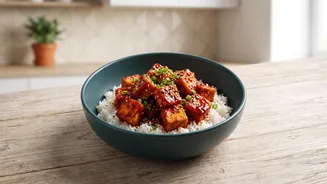
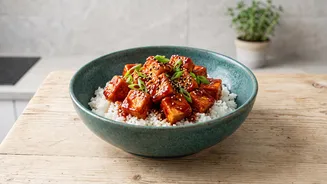
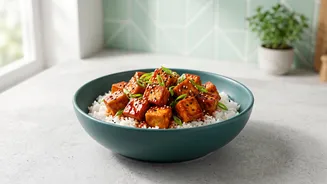
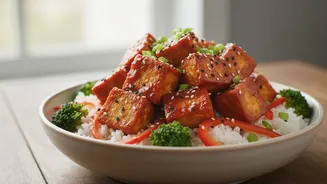
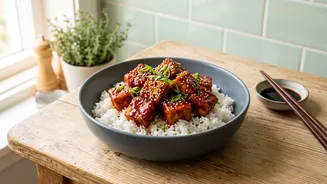
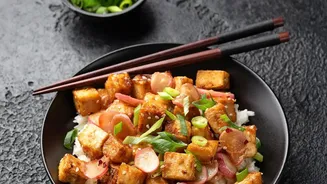
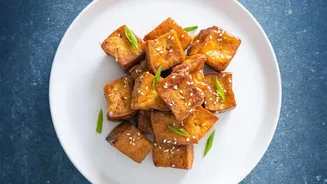
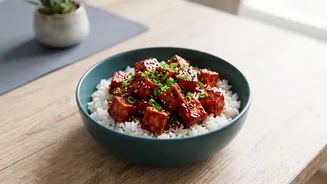
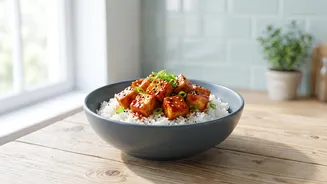
Here is where the headline's advice becomes critical: to preserve texture, combine the elements at the last moment. Once your sauce is warmed and your tofu is crisped, add the tofu to the pan with the sauce. Gently toss everything together just long enough to coat each piece in the glossy, flavourful glaze. Be careful not to let it simmer for too long, as the crispy exterior can begin to soften. The goal is for the sauce to cling to the tofu, not soak into it. Serve immediately over a bed of fluffy rice. To complete your bowl, add complementary vegetables like steamed broccoli, sautéed snap peas, or a quick-pickled slaw of carrots and cucumber. Garnish with a sprinkle of toasted sesame seeds and sliced spring onions for a final flourish of flavour and texture.