






Why Protein Is Essential for Muscle Growth
Before we get to the numbers, let's quickly cover the 'why'. When you perform resistance training like lifting weights, you create tiny micro-tears in your muscle fibres. This is a normal and necessary part of the muscle-building process. Your body then
repairs these tears, and in doing so, makes the muscles stronger and bigger. Protein provides the essential building blocks, called amino acids, that are required for this repair and growth process. Without enough protein, your body can't effectively repair the damage, and your efforts in the gym won't translate into the muscle gains you're working for.
The Golden Number: Calculating Your Daily Need
Forget confusing advice. The scientific consensus for active individuals looking to build muscle is a daily protein intake of 1.6 to 2.2 grams of protein per kilogram of body weight. To calculate your personal range, simply convert your weight to kilograms (if you know it in pounds, divide by 2.2) and multiply it by this range. For example, a 70 kg person would aim for 112 to 154 grams of protein per day. It’s important to note that total daily intake is the most crucial factor, more so than the precise timing of when you eat it.
Debunking the 'Anabolic Window'
For years, gym-goers have rushed to drink a protein shake within 30 minutes of finishing a workout, fearing they’d miss the 'anabolic window' for gains. While consuming protein post-workout is beneficial, recent research shows this window is much wider than previously thought, likely lasting several hours. Rather than stressing about a 30-minute deadline, focus on distributing your protein intake evenly throughout the day. Aiming for 20-40 grams of protein per meal, spread across three or four meals, is a more effective strategy for maximizing muscle protein synthesis. This ensures your muscles have a steady supply of amino acids for repair and growth all day long.
High-Protein Foods for an Indian Diet
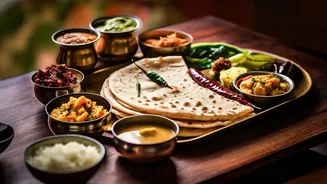
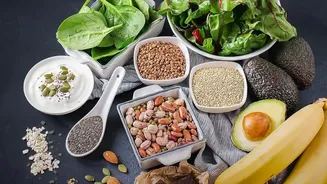
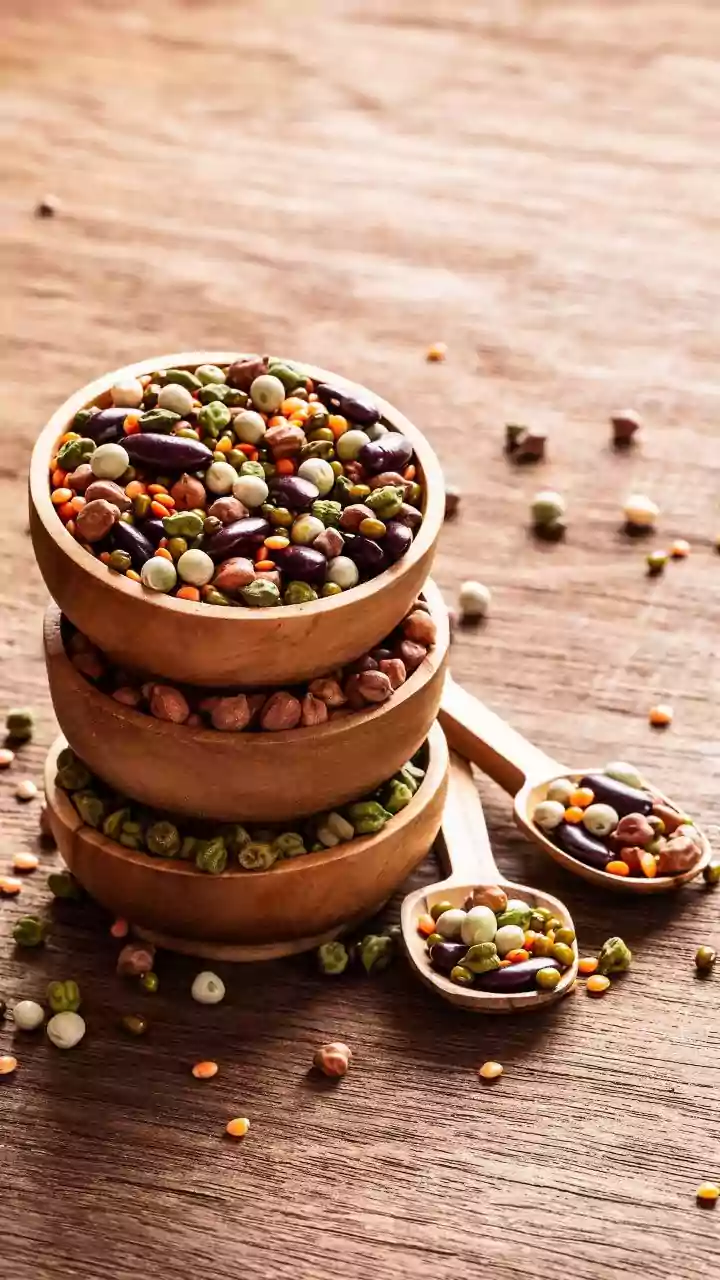
Meeting your protein goals is achievable with everyday Indian foods. For non-vegetarians, lean sources like chicken breast, eggs, and fish such as pomfret are excellent choices. For vegetarians, the options are plentiful and powerful. Paneer is a fantastic source of slow-digesting casein protein, making it great for sustained muscle repair. Lentils (dal), chickpeas (chana), rajma, and soya chunks are all protein powerhouses. Dairy products like Greek yoghurt (curd) and milk are also valuable additions. Combining plant-based sources, like dal with rice or roti, helps ensure you get a complete amino acid profile.
Can You Have Too Much Protein?
While essential, it is possible to overdo it. Consistently consuming far more protein than your body needs (for most, this is over 2.2g per kg) won't lead to more muscle but can put a strain on your kidneys over time. It can also lead to other issues like dehydration and digestive discomfort, especially if high-protein foods replace fibre-rich options like fruits and vegetables. Furthermore, since protein contains calories, excessive intake can contribute to unwanted weight gain if it pushes your total calorie count above your daily needs. Stick to the recommended range and prioritize whole food sources over supplements whenever possible.