





What Was Tested at Sriharikota?
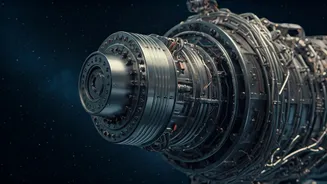
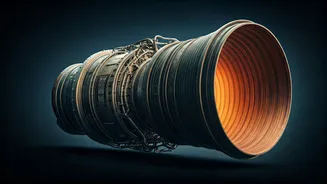
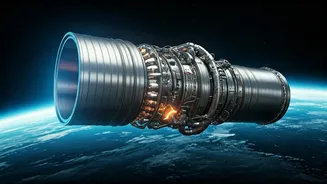
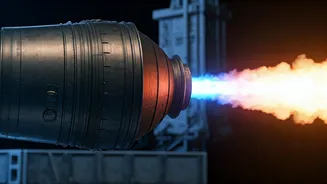
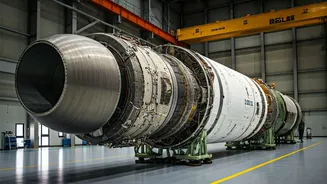
On July 3, the Indian Space Research Organisation (ISRO) successfully conducted the first static ground test of the solid motor for a new vehicle called SOLVE, which stands for Sub-Orbital Launch Vehicle for Experiments. This wasn't a rocket launch, but
a ground-based firing of the engine at the Satish Dhawan Space Centre. The motor, a modified version of the strap-on boosters used in the reliable PSLV rocket, was fired for a prolonged duration and its performance met all of ISRO's expectations. This new SOLVE rocket is not designed to go into orbit; its specific purpose is to serve as a dedicated test platform for the Gaganyaan programme.
A Parachute System for a Safe Return
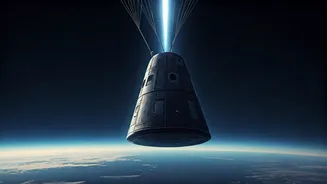
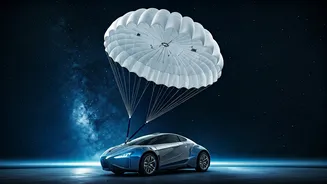
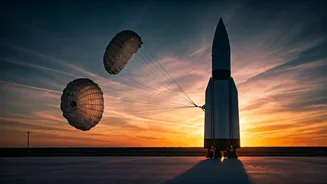
The primary goal of the SOLVE platform is to validate the complex parachute system for the Gaganyaan Crew Module. In future tests, SOLVE will carry a dummy version of the crew module to an altitude of 10 to 17 kilometres and release it. From there, a sequence of 10 different parachutes must deploy perfectly to slow the module down from high speed for a gentle and safe splashdown in the sea. This system includes various types of parachutes, from smaller ones that stabilise the module to the large main chutes that handle the final descent. Successfully testing this deceleration system under realistic conditions is non-negotiable before allowing astronauts to fly.
Why a Dedicated Test Rocket?
Developing an entirely new vehicle like SOLVE just for testing highlights how seriously ISRO is treating astronaut safety. This platform gives engineers the flexibility to simulate a wide range of flight conditions that the crew module might experience during its return journey. It allows for repeated, focused testing of the parachute deployment sequence, which is one of the most critical phases of any human spaceflight mission. By using a sub-orbital rocket, ISRO can gather crucial data on how the systems perform at the specific altitudes and speeds relevant to re-entry, ensuring the reliability of the recovery system. This methodical approach builds on previous tests, such as the Pad Abort Test and Integrated Air Drop Tests, each one designed to prove the robustness of every safety component.
The Big Picture: India's Gaganyaan Mission
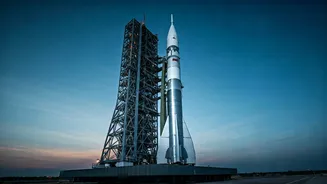
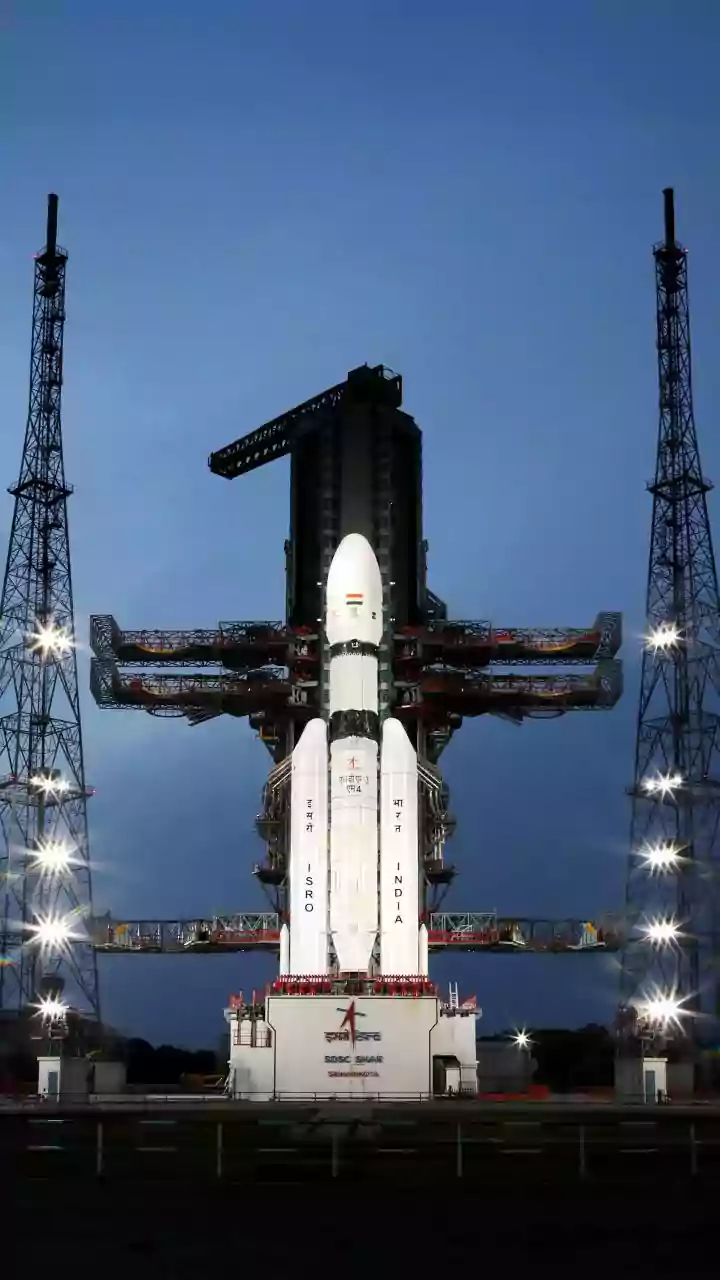
This test is a significant milestone for Gaganyaan, India’s ambitious maiden human spaceflight mission. The ultimate goal is to launch a crew of two to three Indian astronauts into a 400-kilometre low-Earth orbit for a three-day mission and bring them back safely to Earth, landing in Indian territorial waters. Achieving this would make India only the fourth nation in the world to independently send its citizens into space. The launch vehicle for the final mission will be the human-rated LVM3 rocket, a modified version of ISRO's heaviest and most powerful launcher. Every system, from the launch vehicle to the Crew Escape System and the life support inside the capsule, is being rigorously tested to meet the stringent requirements of human-rated spaceflight.
What Are the Next Steps?
With the successful ground test of the SOLVE motor complete, the next logical step will be to use the vehicle for actual in-air tests. This will involve launching the SOLVE rocket to demonstrate the parachute system in a real-world scenario. Before any astronaut boards a Gaganyaan capsule, ISRO has planned a series of uncrewed missions to validate every aspect of the flight. These precursor missions will prove the safety and reliability of the entire system. One such mission, planned for later this year, will involve launching the Vyommitra humanoid robot to test the life support systems and other parameters before the first crewed flight.