






An Essence of Petals and Steam
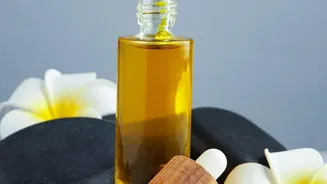
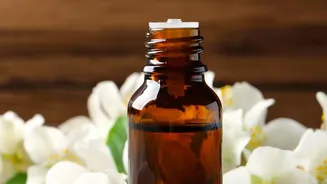
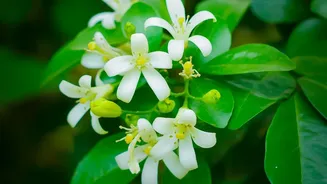
Neroli oil is an essential oil extracted from the delicate white blossoms of the bitter orange tree, also known as Citrus aurantium. While the tree is native to parts of Asia, it is now cultivated extensively across the Mediterranean and North Africa.
What makes neroli so precious is the painstaking process required to produce it. The blossoms must be hand-picked in late spring, a labour-intensive task, as they quickly lose their oil after being plucked. It takes about 1,000 pounds of these flowers to produce just one pound of neroli oil through steam distillation, which explains its high value in the world of perfumery. This process separates the highly-prized oil, leaving behind orange blossom water as a co-product. The resulting oil has a complex scent profile: floral and honeyed with green and spicy facets, making it a treasured base note in many iconic fragrances.
A Tradition of Wellness
Long before it graced perfume counters, neroli was a staple in ancient wellness practices. In ancient Egypt, it was used to help heal the mind and spirit. Its history is also woven into European royalty; it was named after the 17th-century Italian princess of Nerola, who famously used it to perfume her gloves and bathwater. Today, neroli is a star in the world of aromatherapy, celebrated for its calming properties. Studies suggest that inhaling neroli oil can help the brain release serotonin and reduce levels of the stress hormone cortisol. This makes it a popular choice for alleviating stress, anxiety, and sleep-related issues. Its benefits extend to skincare as well, where its antioxidant and antibacterial properties are used to help rejuvenate skin, improve elasticity, and balance oil production.
The North African Connection
While bitter orange trees grow in several regions, North Africa—specifically Tunisia, Morocco, and Egypt—are the leading producers of neroli oil globally, supplying a significant portion of the world's demand. The climate and soil in these regions are exceptionally well-suited for cultivating high-quality blossoms. The production in this part of the world is more than just agriculture; it's a vital economic driver. The harvest and distillation process creates thousands of seasonal jobs, particularly in rural areas like Tunisia's Cape Bon region. This employment is often crucial for local economies. The delicate, manual nature of the harvest provides employment opportunities for many, connecting the global fragrance industry directly to the livelihoods of these communities.
Symbolism in a Bottle
Beyond its economic and therapeutic value, neroli is rich with cultural symbolism. For centuries, orange blossoms have been associated with purity, love, and fertility. This tradition has roots in ancient Greece and Rome, where brides would wear orange blossoms in their hair or bouquets. This symbolism of new beginnings and innocence continues today in many wedding traditions. The scent is considered energetically uplifting and is believed to help soothe emotional turmoil and foster a sense of peace. Each bottle of neroli oil carries these layers of history, representing a bridge between ancient rituals and modern luxury.
Making a Conscious Choice
The growing global demand for natural and organic ingredients has put a spotlight on products like neroli oil. As consumers become more interested in the origins of their products, the importance of ethical and sustainable sourcing has come to the forefront. When purchasing neroli oil or products containing it, looking for signs of responsible sourcing can make a difference. Some brands partner directly with growers and distillers in regions like Egypt and Morocco, ensuring fair practices and supporting the communities involved in its production. Certifications like 'organic' can also indicate a commitment to producing the oil without harmful pesticides. By choosing ethically sourced neroli, consumers can support not only their own well-being but also the long-term sustainability of the industry and the livelihoods it maintains.