




Why We Eat With Our Eyes
Before a single bite, we've already formed an opinion about our food. This isn't just a matter of preference; it's a deep-seated psychological process. Visual presentation is the very first sense we engage with when it comes to eating. A beautifully presented
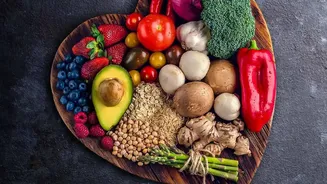
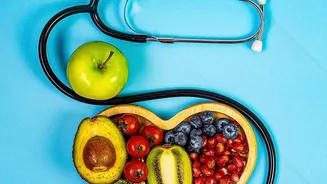
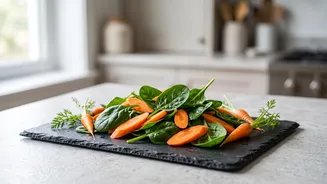
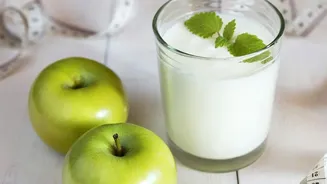
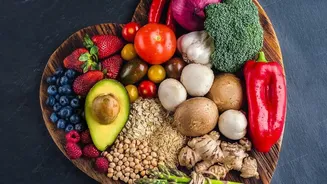
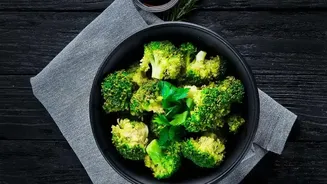
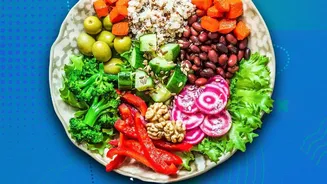
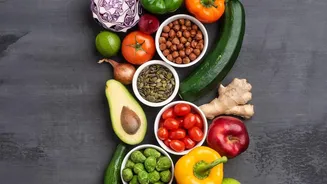
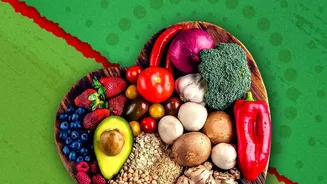
meal, with bright colours and a neat arrangement, signals care, quality, and freshness. Research consistently shows that the visual appeal of food has a powerful influence on our expectations and, ultimately, our perception of its taste and healthiness. For example, psychologists have found that colourful food, especially with greens, yellows, and reds, is often perceived as healthier because we associate those colours with fresh fruits and vegetables. Similarly, a dish that is presented with order and symmetry can feel more natural, and our brains tend to equate 'natural' with 'healthy'.
The Powerful 'Health Halo' Effect
This tendency to let one positive trait dictate our overall opinion of a food is known as the 'health halo' effect. Food marketers are masters at using this cognitive bias. When a package screams 'organic', 'low-fat', 'gluten-free', or 'all-natural', we are inclined to believe the entire product is a beacon of health. This halo can make us overlook other, less desirable aspects, like high sugar, sodium, or calorie content. For instance, you might choose veggie chips over regular potato chips, assuming they are the healthier option. However, a quick look at the nutrition label often reveals that the total fat and salt content are surprisingly similar. The health halo encourages us to make assumptions, often leading to overconsumption under the false pretence of making a 'good' choice.
What the Research Reveals
Recent studies have put this phenomenon under the microscope. One Japanese study from 2026 found that the simple act of placing sauce on the side, rather than drizzling it over a dish, made diners perceive the meal as significantly healthier before they even tasted it. Another line of research highlights how classical aesthetics—like symmetry and order—can make the exact same food seem healthier. In one experiment, people rated a symmetrically arranged avocado toast as healthier than a messily prepared one, even with identical ingredients. This is because orderly patterns are common in nature, and our minds create a subconscious link between this 'natural' look and healthfulness. The influence is so strong that it can even affect how much we are willing to pay for food, with consumers offering more for a 'pretty' bell pepper than an 'ugly' one based on perceived health benefits.
Beyond Looks: Reading the Real Story
Breaking free from these visual traps requires a conscious shift from passive viewing to active investigation. The single most powerful tool at your disposal is the nutrition information panel. It is the only place to get the true story of what is in your food. In India, a simple but effective system already exists with the green and red dots that signify whether a product is vegetarian or non-vegetarian, showing that consumers will use simple visual cues when they are meaningful and clear. However, when it comes to health, the cues are often more subtle and sometimes misleading. Instead of being swayed by attractive packaging or front-of-pack claims like 'high in protein', turn the package over. Pay attention to serving sizes, calories, and the amounts of added sugar, sodium, and saturated fats. An ingredient list is also revealing; if sugar or a type of fat is one of the first few ingredients, the product is likely not as healthy as its packaging suggests.
Making Smarter, More Mindful Choices
Becoming a more discerning eater doesn't mean you can't enjoy a beautifully plated meal. It simply means adding another layer of awareness to your choices. Question the buzzwords. 'Natural' does not always mean low in calories, and 'organic' sugar is still sugar. Focus on whole foods. The more processed a food is, the more likely its appearance and packaging are designed to influence you. An apple or a handful of almonds doesn't need a fancy label to prove its nutritional worth. Finally, listen to your body. The ultimate measure of a food's healthiness is how it makes you feel long-term. By combining visual appreciation with nutritional knowledge, you can navigate the modern food landscape with confidence, making choices that are not only pleasing to the eye but genuinely beneficial for your health.