

First, What Are E10 and E20?
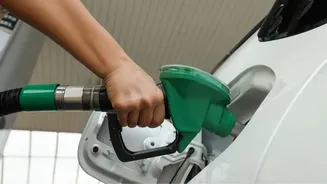
E10 and E20 are ethanol-blended petrol. The 'E' stands for ethanol, and the number represents the percentage of ethanol mixed with petrol. So, E10 is 10% ethanol and 90% petrol, while E20 is a 20% ethanol blend. India has rapidly moved towards higher
ethanol blending for several key reasons: to reduce its dependence on expensive imported crude oil, lower carbon emissions, and create a larger market for agricultural products like sugarcane and maize, which are used to produce ethanol. Since April 2026, E20 has become the standard petrol sold across the country, a target India reached five years ahead of schedule.
The Problem with Older Two-Wheelers
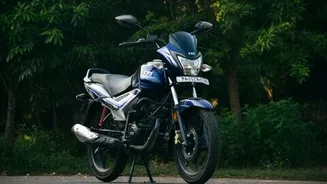
While new vehicles manufactured since April 2023 are designed to be fully compatible with E20 fuel, a massive number of older vehicles are not. India has an estimated 75 to 80 million older two-wheelers, many with carburettors, that were built for E10 or even lower ethanol blends. For these non-compliant bikes and scooters, using E20 can lead to several problems. Ethanol is hygroscopic, meaning it absorbs moisture, which can cause corrosion in steel fuel tanks. It can also degrade older rubber and plastic components like fuel lines and seals, leading to leaks and potential engine damage over time. Many owners of older bikes have reported issues like reduced mileage, jerky performance, and increased maintenance needs.
A Dual-Fuel Lifeline Is Proposed
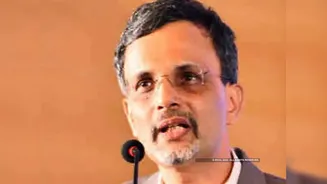
Recognising the challenges faced by millions of riders, a significant proposal has emerged: to continue making E10 petrol available at fuel stations alongside E20. This idea was notably floated in a recent opinion article co-authored by the Chief Economic Adviser, V. Anantha Nageswaran. The rationale is to provide a safe, compatible fuel option for the vast legacy fleet of vehicles, calming public concern and preventing owners from facing unfair repair costs or being forced to scrap their vehicles prematurely. This would act as a transitional measure, protecting consumers while the country's vehicle fleet gradually modernises.
The Hurdles of a Two-Fuel System
While the proposal is consumer-friendly, implementing it presents major logistical hurdles. The country's fuel retail network, with over 100,000 outlets, has been optimised for a single grade of petrol. To offer both E10 and E20 widely would require installing separate underground storage tanks and dispensers at thousands of locations, a massive and costly infrastructure upgrade. Government officials have previously pointed to these logistical difficulties as a reason for sticking with a single E20 standard. There is also concern that allowing E10 sales might be seen as an admission that E20 is problematic for older vehicles, a claim the government has consistently rejected based on its testing.
What This Means for Riders Today
For now, this is just a proposal, and E20 remains the standard petrol across India. It is crucial for owners to know if their vehicle is E20-compliant. For two-wheelers made before 2023, it is best to check the owner's manual or the manufacturer's website for guidance. Manufacturers like Hero MotoCorp and Honda have stated that while older models are material-compatible, they may see a marginal drop in performance or fuel efficiency. If you own an older, carburetted motorcycle, paying close attention to maintenance, such as regularly cleaning the carburettor and checking fuel lines, can help mitigate potential issues. The current discussion signifies that the government is at least exploring ways to balance its green energy goals with the practical realities faced by everyday commuters.