


Embrace the Rule of Odds
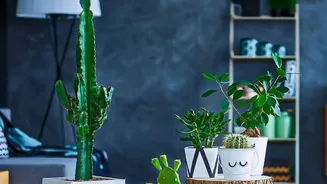
One of the most effective principles in design is the 'rule of three,' which suggests that items grouped in odd numbers are more visually appealing and natural to the human eye. Instead of pairing two pots, try clustering three, five, or seven. This creates
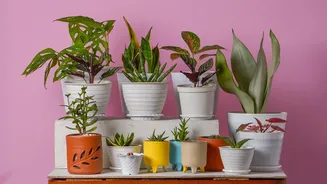
a sense of intentional asymmetry and rhythm, making the arrangement feel more dynamic and less rigid. A large central pot flanked by two smaller, complementary ones is a classic example of how to create a balanced yet interesting focal point.
Create Unity with a Common Thread
A cohesive display doesn't mean all your pots have to be identical. The key is to establish a common element that ties the collection together. This could be a consistent colour palette, where you use various shades of a single colour or a recurring accent hue. Alternatively, you could unify the group through material or finish, such as pairing several glazed ceramic pots even if their shapes and colours differ. You can also group them by a shared style, like rustic terracotta, modern minimalist, or hand-painted artisanal designs. This unifying theme ensures the grouping looks deliberate and curated, not chaotic.
Play with Height and Scale
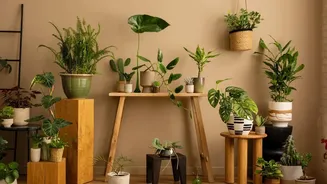
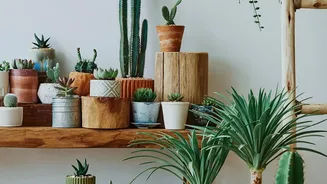
A flat, single-level display can feel monotonous. To create visual interest, it's crucial to vary the height and scale of your grouped pots. Combine tall, medium, and small planters to encourage the eye to move up, down, and around the arrangement. You don’t need to buy pots of every size to achieve this. Get creative by using risers like books, small stools, or decorative boxes to elevate certain pots. Tiered plant stands are also an excellent tool for creating layered, vertical displays, especially in smaller spaces or corners.
Texture Adds Depth and Interest
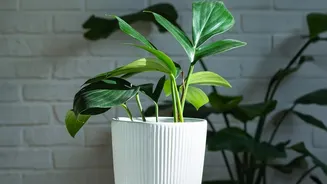
Don't underestimate the power of texture. Combining different finishes can add a layer of sophistication to your display. Mix a smooth, glossy glazed pot with a rough, matte one. Pair a ribbed or fluted planter with a sleek, simple one. This tactile contrast creates depth and prevents the arrangement from looking one-dimensional. Even if your pots are all the same colour, varying the textures will make the grouping much more engaging and visually rich.
Don't Forget the Plants
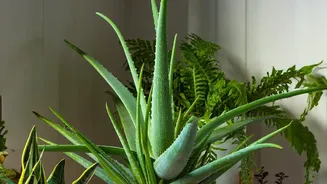
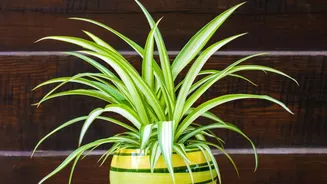
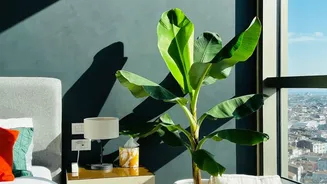
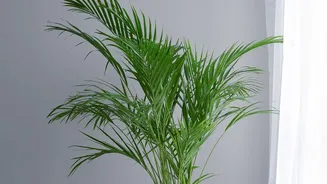
The plants themselves are a critical component of your design. When grouping, consider how the foliage interacts. Use the classic 'thriller, filler, and spiller' concept: a tall, upright plant (the thriller), a bushier one to fill the middle ground (the filler), and a trailing plant to cascade over the pot's edge (the spiller). Also, think about leaf textures and colours. A plant with large, waxy leaves can be a stunning counterpart to one with fine, feathery foliage. For practical reasons, it’s also wise to group plants with similar light and watering needs together.
Strategic Placement for Maximum Impact
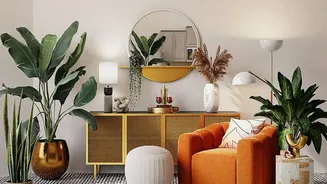
Finally, consider where your grouping will live. A cluster of pots can transform an overlooked corner into a vibrant focal point. They can bring life to a console table in an entryway, a wide windowsill, or a bare spot on a bookshelf. A large statement pot can anchor a group of smaller ones on the floor. Before settling on a final arrangement, look at the surrounding area. Choose pot colours and styles that complement your existing decor to create a truly integrated and harmonious look.