






A Nationwide Shift to the Summits
Across the country, there's a noticeable pivot in holiday preferences. While beaches and historical sites still have their appeal, mountains are increasingly becoming the destination of choice for group travel. Recent travel data highlights a growing
interest in quieter, nature-centric locations away from overrun tourist hotspots. Destinations like Dharamshala, Rishikesh, and Uttarkashi are seeing a surge in searches, reflecting a collective desire for slower, more meaningful breaks. This isn't just about escaping the summer heat; it's a year-round phenomenon driven by a deeper need to disconnect from urban chaos and reconnect with nature and each other. The trend is particularly strong among urban, upwardly mobile Indians who are now prioritising experiences over simple sightseeing.
The Search for Authentic Connection
One of the biggest drivers of this trend is the search for genuine connection, both with loved ones and with oneself. In a world of constant digital noise, the mountains offer a forced digital detox. Poor network coverage, once a travel frustration, is now often seen as a key feature. It encourages families and friends to put down their phones and engage in conversation, play games, or simply enjoy the shared silence. This desire for disconnection is a powerful antidote to the stress of city life. According to therapists, being in nature helps regulate the nervous system, providing a mental reset that a bustling city break cannot offer. The goal for many is relaxation, with a recent survey finding it was the primary travel motive for 67% of Indian respondents.
Adventure for All Ages and Groups
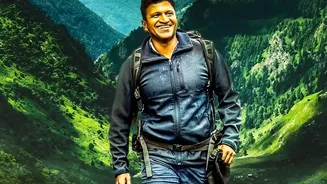
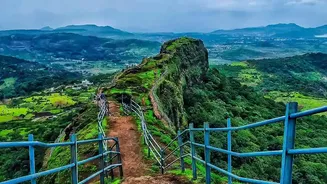
Mountain holidays are no longer just for serious trekkers. The definition of mountain adventure has broadened to become more inclusive. Today’s destinations offer a wide array of activities catering to diverse groups, from gentle nature walks for families with young children to more strenuous hikes for groups of friends. The focus is often on the scenic beauty of the trail—rivers, alpine forests, and grasslands—rather than just the difficulty level. This flexibility allows everyone to participate at their own comfort level, making it an ideal choice for multi-generational family trips or friends with varying fitness levels. The sense of shared accomplishment after a day of exploring creates lasting bonds and memories that a passive resort holiday might not.
The Rise of 'Work from Mountains'
The post-pandemic normalisation of remote work has also profoundly impacted this trend. The concept of a 'workation' or 'work from mountains' has moved from a niche idea to a mainstream option. Professionals, especially from tech hubs like Bangalore and Hyderabad, are booking long-term stays in mountain towns, blending work with leisure. This has led to the growth of infrastructure supporting this lifestyle, with homestays and hotels now offering reliable Wi-Fi, dedicated workspaces, and monthly packages. This allows families and friends to plan longer getaways, as some members can continue to work while enjoying a change of scenery, making mountain trips more accessible and sustainable from a work-life balance perspective.
More Than Just a Passing Trend
While the allure of the mountains is undeniable, the rapid increase in tourism also presents challenges. Fragile Himalayan ecosystems are facing pressure from increased footfall, leading to issues with waste management and resource strain. However, this growing popularity is also bringing a focus on sustainable practices. The government has identified adventure tourism as a key growth area, with an emphasis on creating better infrastructure and safety standards to manage the influx responsibly. This shift towards the mountains seems to be more than a fleeting trend; it represents a fundamental change in what Indians are seeking from their time off—a blend of peace, presence, and shared experience against a backdrop of breathtaking natural beauty.