





Understanding Australia's Peak Season
Australia's primary peak tourist season coincides with its summer, running from December to February. This period brings warm weather, long sunny days, and major holidays like Christmas, New Year's, and Australia Day. Consequently, it's when most international
tourists visit and when Australians take their own summer holidays, creating a double-wave of demand. Popular destinations, especially coastal areas like Sydney, Melbourne, the Gold Coast, and Byron Bay, become extremely busy. Be aware of other peak times, such as school holiday periods around Easter, late June to early July, and late September to early October, which also see a surge in domestic travel and prices.
The Impact on Your Wallet
The fundamental rule of supply and demand is starkly evident during Australia's peak season. Expect significant price hikes across the board. Flights and accommodation are the most affected, with costs potentially rising 30-150% compared to the off-season, particularly in major cities like Sydney. For example, a hotel room that costs AU$300 in the off-season could easily command AU$700 or more on New Year's Eve. Tours and even some restaurants can also be more expensive. A mid-range daily budget of around $170-$185 AUD per person can be a realistic starting point, but this will be stretched much thinner during peak times.
Strategic Booking is Crucial
Spontaneity has its price. To secure reasonable fares and your preferred accommodation, booking well in advance is non-negotiable for a peak-season trip. For international flights, experts recommend booking anywhere from 3 to 10 months ahead. A sweet spot often lies around the 4-to-8-month mark. The same logic applies to accommodation, especially in sought-after beach destinations. Holiday homes in places like Byron Bay can be over 50% booked for summer months before winter has even ended. Once a property is booked, it's gone, so early action gives you the best choice and price.
Beating the Crowds: Smart Alternatives
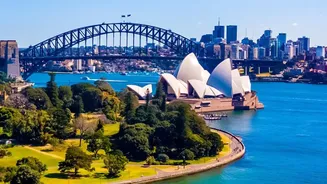
Iconic spots like Bondi Beach, the Sydney Opera House, and the Great Barrier Reef will inevitably be crowded. To escape the hordes, consider exploring just beyond the main hotspots. Instead of the busiest parts of Byron Bay, try nearby coastal towns like Brunswick Heads. Rather than sticking only to the major cities, explore regional gems. Destinations like the Flinders Ranges in South Australia, Gippsland in Victoria, or the coast of Kiama in New South Wales offer stunning scenery without the overwhelming crowds. Even in big cities, visiting popular attractions early in the morning or on a weekday can make a significant difference.
Consider the 'Shoulder' Seasons
If your travel dates are flexible, the best advice is to aim for the shoulder seasons: autumn (March to May) and spring (September to November). During these months, the weather is often still beautiful and pleasant for outdoor activities, but the crowds have thinned and prices are more reasonable. Costs can be 25-40% lower than the summer peak. These periods offer a fantastic balance of good weather, fewer people, and better value, making them arguably the best time to visit Australia for many travellers.
Money-Saving Tips On the Ground
Even if you travel in peak season, you can still find ways to save. Take advantage of free activities like visiting beaches, hiking in national parks, and exploring botanic gardens. Opt for accommodation with a kitchen to prepare some of your own meals, which significantly cuts down on costs. Supermarkets like Coles, Woolworths, and Aldi offer affordable options. Within cities, use public transport with capped daily fares, such as Sydney's Opal card or Melbourne's Myki, to save on transit.