



The Heart of Pilates: Deep Core Control
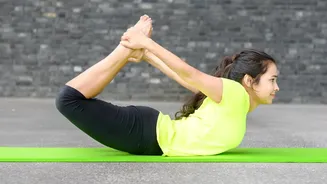
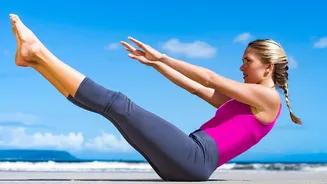
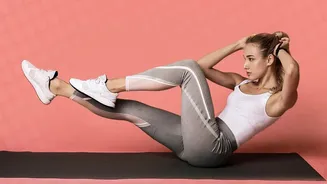
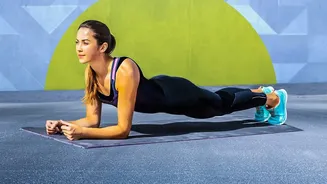
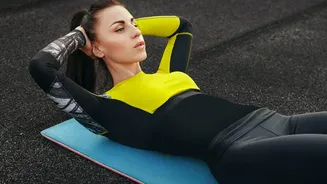
Pilates is built on a foundation of control, precision, and concentration. Its approach to core strength is less about visible six-pack abs and more about the intricate network of deep muscles that wrap around your midsection like a supportive corset.
This includes the transverse abdominis, pelvic floor, diaphragm, and the small multifidus muscles along the spine. Deep core engagement in Pilates means learning to activate this inner support system to stabilise the spine and pelvis before and during movement. The exercises are often slow and deliberate, designed to teach the body how to maintain this stability while the limbs move, which is why it's renowned for improving posture, balance, and preventing injury.
The Essence of Circuit Training: Dynamic Power
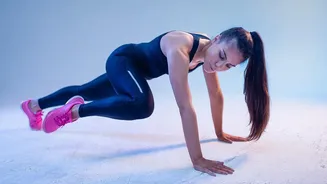
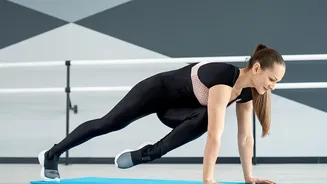
Circuit training is defined by its structure: a series of different exercises performed in sequence with minimal rest in between. The movements are typically dynamic, meaning they involve motion through a full range of movement, often at a high pace. Think of exercises like jump squats, kettlebell swings, burpees, and mountain climbers. The goal is to challenge multiple muscle groups simultaneously, elevate the heart rate, and build both muscular and cardiovascular endurance. Rather than isolating deep stabilisers, circuit training engages large, global muscles (like quads, glutes, and shoulders) to produce power and sustain high-intensity effort.
Muscle Focus: Stabilisers vs. Movers
The primary difference lies in which muscles are prioritised. Pilates places a strong emphasis on training the deep, local stabilising muscles that support your joints and spine from within. These muscles are endurance-based and are designed to stay 'on' at a low level to provide constant support. In contrast, the dynamic movements in circuit training primarily call on the large, superficial 'mover' muscles. These are the muscles responsible for generating force and creating big movements, like sprinting or lifting a heavy object. Circuit training makes them stronger and more powerful, enhancing athletic performance and increasing calorie burn.
Pace, Breath and Objective
The pace of these workouts reflects their different objectives. Pilates is methodical, with movements coordinated precisely with the breath to enhance control and deep muscle activation. The objective is movement quality and stability. Circuit training is fast-paced and intense. The breathing is often more reactive, supporting the high-energy output required for short bursts of maximal effort. The primary objective is performance: to complete a certain number of reps or rounds to boost metabolism, burn calories, and improve overall fitness in a short amount of time.
A Complementary Partnership
Instead of viewing them as competitors, it's more accurate to see Pilates and circuit training as perfect partners. A strong, stable core built through Pilates provides a solid foundation that can dramatically improve your form and reduce your risk of injury during the high-impact, fast-paced movements of circuit training. When your deep stabilising muscles function correctly, your body doesn't have to compensate using larger muscles, leading to more efficient and safer movement. Combining the deep stability of Pilates with the dynamic power of circuit training can create a well-rounded fitness regimen that delivers strength, endurance, and resilience.