



The Tradition of Hair Oiling
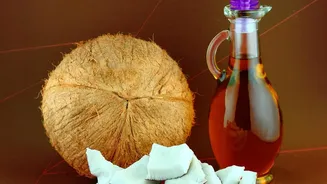
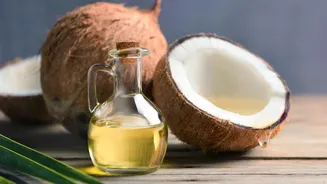
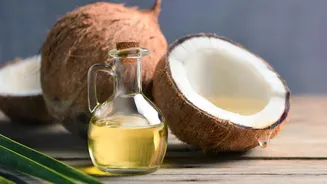
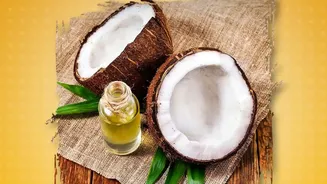
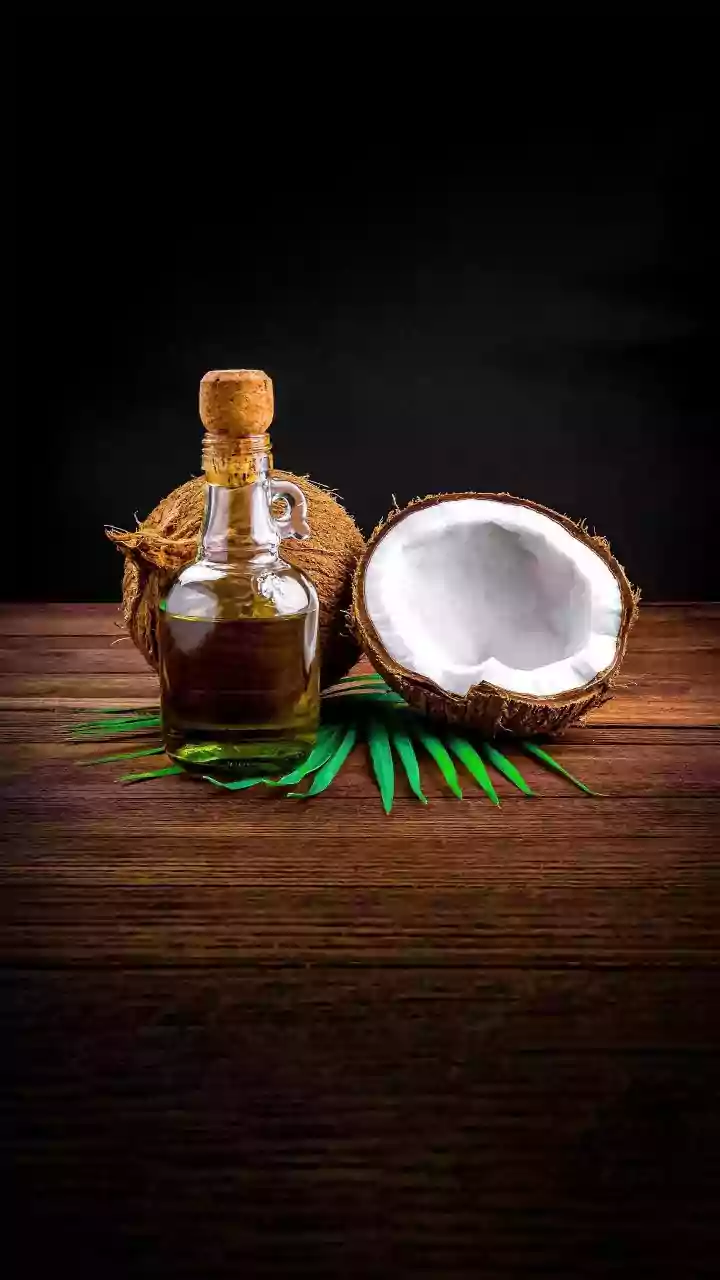
Across India and Southeast Asia, the practice of oiling hair, particularly with coconut oil, is a deeply ingrained tradition. It’s a ritual often associated with care, strength, and lustrous shine, passed down from grandmothers to grandchildren. For many,
it's the definitive answer to almost any hair concern, from dryness to a desire for longer, healthier locks. This long-standing cultural practice has always pointed to real, tangible results: softer, more manageable, and resilient hair. While personal experiences have been the primary evidence for centuries, modern science is now providing a detailed explanation for why this ancient remedy is so effective, and it all comes down to the oil's unique chemical makeup.
The Secret Ingredient: Lauric Acid
The hero component in coconut oil is a medium-chain fatty acid called lauric acid, which makes up about half of the oil's content. What makes lauric acid so special is its molecular structure. It has a low molecular weight and a straight, linear chain. This shape allows it to do something most other oils can't: penetrate deep inside the hair shaft, moving past the protective outer cuticle layer and into the inner cortex. This is fundamentally different from many other oils, like mineral oil or sunflower oil, which have bulkier, more complex structures. Those oils tend to simply coat the surface of the hair, providing lubrication and shine but without delivering benefits to the hair's core structure.
Preventing Critical Protein Loss
Hair is primarily made of protein, specifically keratin. This protein structure is vulnerable to damage, especially from water. When hair gets wet, it swells, and as it dries, it shrinks. This repeated cycle, known as hygral fatigue, can stress the hair fibre, lift the cuticles, and cause a significant loss of protein over time. This is where coconut oil's penetrating ability becomes crucial. Studies have shown that when applied to hair before washing, coconut oil is remarkably effective at reducing this protein loss. By getting inside the hair shaft, the oil, which is hydrophobic (water-repelling), limits how much water the hair can absorb. This reduces the damaging effects of swelling and shrinking, helping to preserve the hair's structural integrity. One landmark study found that coconut oil was the only oil, when compared to mineral and sunflower oils, that significantly reduced protein loss in both damaged and undamaged hair.
More Than Just a Coating
The difference between penetrating the hair and merely coating it is significant. Oils like mineral oil are effective at sitting on the surface and creating a barrier. This barrier can lock in existing moisture, reduce frizz in humid conditions, and provide a lubricating effect that makes combing easier. However, they don't have a strong affinity for hair proteins and cannot get inside the shaft. Coconut oil, due to its high lauric acid content, has a natural affinity for hair proteins. This allows it to bind with the proteins inside the cortex, strengthening the strand from within and making it more resilient to the physical stress of combing, styling, and washing. So, while other oils can make hair feel smoother temporarily, coconut oil works on a deeper level to protect and fortify.
Making the Science Work for You
To harness these chemical benefits, application matters. Using coconut oil as a pre-wash treatment is one of the most effective methods. Applying it to dry hair for at least 30 minutes (or even overnight) before shampooing gives the lauric acid time to penetrate the hair shaft. When you then wash your hair, the oil inside helps shield it from water damage and protein loss. For those with dry ends, a very small amount can be used as a finishing oil to tame frizz and add shine, but moderation is key, as too much can weigh hair down, especially if it's fine. Choosing virgin, cold-pressed coconut oil can also be beneficial as it retains more of its natural compounds.