





A Once-in-a-Dozen-Year Wonder
The Neelakurinji, or Strobilanthes kunthiana, is a shrub found in the shola forests of the Western Ghats in Kerala and Tamil Nadu. What makes it extraordinary is its precise, 12-year blooming cycle. This phenomenon, known as mass flowering, means the plant
flowers, seeds, and then dies, leaving the next generation to repeat the cycle over the next dozen years. The name itself is a giveaway: ‘Neela’ means blue, and ‘Kurinji’ is the local name for the flower. This cyclical bloom is so reliable that the local Paliyan tribal people have historically used it to calculate their age. While the last major bloom captivated onlookers in 2018, the next grand display is anticipated in 2030. However, smaller, localised blooms of different subspecies can occur at other times, with some expected in parts of Munnar in 2026.
Where the Blue Carpet Unfurls
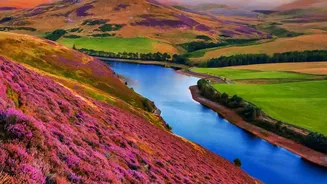
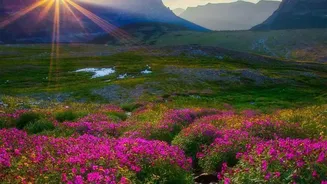
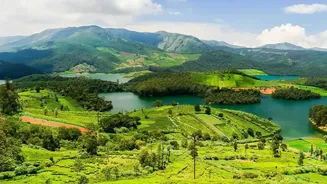
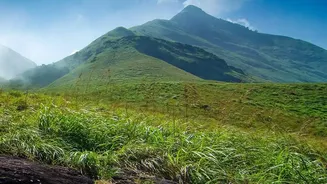
The heartland of the Neelakurinji bloom is Munnar in Kerala. During the season, typically between August and October, rolling hills and valleys are transformed into a sea of blue. Eravikulam National Park, a UNESCO World Heritage Site and home to the endangered Nilgiri Tahr, is one of the premier locations to witness this spectacle. Other popular spots include Top Station, which offers panoramic views on the Kerala-Tamil Nadu border, and various hills around Munnar like Rajamala and Kolukkumalai. These high-altitude grasslands, thriving at 1,300 to 2,400 metres, provide the unique conditions this special shrub needs to survive.
A Fragile and Protected Treasure
The visual splendour of the Neelakurinji bloom brings with it immense responsibility. The plant is officially classified as a threatened species by the IUCN due to significant habitat loss. Large swathes of its native grasslands have been lost to plantations, infrastructure, and invasive species like eucalyptus. The massive influx of tourists during blooming season puts further pressure on this fragile ecosystem. Recognizing its vulnerability, authorities have put protective measures in place. The plant is a crucial part of the shola ecosystem, preventing soil erosion on the steep slopes and providing a bounty for bees and other pollinators.
The Art of Responsible Viewing
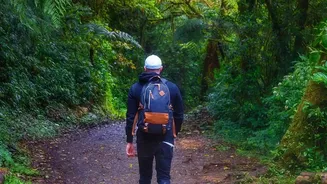
To truly appreciate the Neelakurinji, one must practice patience and respect. The headline’s call for ‘distance and careful photography’ is a plea for responsible tourism. Authorities strictly prohibit plucking the flowers or uprooting the plants; they will not survive at lower altitudes and are vital for the next generation. Visitors are urged to stick to designated paths to avoid trampling the shrubs, to keep the area plastic-free, and to book visits in advance where possible. For the 2026 bloom, the district administration is even planning an app-based booking system for effective crowd management. The goal is to ensure the experience is magical for visitors while being minimally disruptive to the environment.
Planning for the Next Great Bloom
While pockets of Neelakurinji may bloom in 2026, the next great, widespread flowering is set for 2030. This long wait is part of the plant’s mystique. For those planning to witness it, patience is key. The years leading up to the bloom are a perfect time to learn about its ecological importance and the conservation efforts underway. When the time comes, planning ahead will be critical. Booking accommodation and travel well in advance will be essential to manage the high demand. By approaching the journey with knowledge and respect, visitors can ensure that the Blue Mountains will continue to earn their name for generations to come.