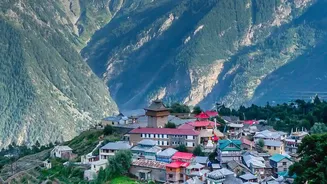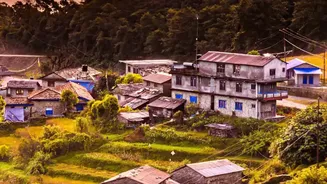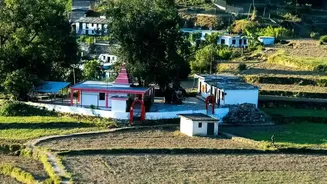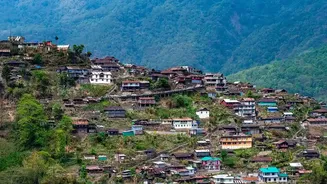




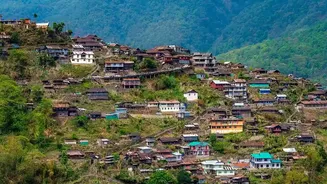

The Sunday Shutdown Explained
Since January 2026, the village council, or Dorbar Shnong, has prohibited day-trippers from entering Mawlynnong on Sundays. This means that the popular weekend rush of taxis and tourist buses from Shillong and Guwahati is now turned away one day of the week.
All shops, local eateries, and public facilities for tourists remain closed on this day. The rule, however, does not affect visitors who are already staying overnight in one of the village’s registered homestays. Those with pre-existing bookings can remain in the village, but the goal is to drastically reduce the transient footfall that had been overwhelming the community.
A Village Under Pressure
The decision was not made lightly but came after years of the community grappling with the effects of overtourism. Mawlynnong, with a resident population of just a few hundred people, was seeing visitor numbers swell to over a thousand on peak weekends. This influx, while economically beneficial, brought significant strain. The primary reason cited by the village council was the disruption to community life. As a predominantly Christian village, Sunday is a day reserved for church services, family time, and rest. However, it had become the busiest day for tourism, forcing residents to manage crowds and commercial activities instead of observing their day of rest. This growing pressure was threatening the very social fabric and tranquility that made Mawlynnong special in the first place.
A Pivot to 'Quality Over Quantity'
The Sunday ban is a deliberate strategy to shift the focus from high-volume, low-impact day-trippers to more engaged, longer-staying visitors. The village is encouraging tourists to book overnight stays in local homestays, which provides a more direct and sustainable source of income for resident families. This model ensures that the economic benefits of tourism are distributed more evenly within the community. For travellers, it offers a more authentic experience. Instead of a fleeting photo opportunity on a crowded street, an overnight stay allows visitors to experience the quiet charm of the village in the evenings and early mornings, interacting more meaningfully with the Khasi culture and the people who are the guardians of this unique place.
Reshaping Weekend Travel Itineraries
This change has an immediate ripple effect on how weekend trips in Meghalaya are planned. The popular Shillong-Mawlynnong-Dawki circuit, often squeezed into a single day, now requires more careful planning. Travellers intending to visit Mawlynnong on a weekend must now either plan their day trip for a Saturday or book an overnight stay. Tour operators and taxi drivers are adapting by suggesting alternative Sunday itineraries, which might focus on other nearby attractions like the living root bridges in the vicinity (which are distinct from Mawlynnong itself), the clear waters of the Umngot river in Dawki, or the sights around Cherrapunji. This could inadvertently help distribute tourist traffic more evenly across the East Khasi Hills region, easing the pressure on a single destination.
A Potential Model for Sustainable Tourism
Mawlynnong’s bold move is being watched as a potential model for other over-touristed destinations in India and beyond. It represents a community taking control of its own narrative, prioritising cultural preservation and well-being over unchecked commercial growth. The decision aligns with a broader push by the Meghalaya state government towards community-led and sustainable tourism. Recent government initiatives, like the CM Homestay Mission to create thousands of new homestays and investments in eco-friendly tourism projects, signal a long-term vision where local communities are the primary stakeholders and beneficiaries of the tourism economy. By reclaiming one day a week, Mawlynnong is not closing itself off; rather, it is ensuring its survival for generations to come.