





A New Era for Wildlife Tourism
In a significant move for conservation and tourism, the Ladakh administration has flagged off a fleet of specially designed safari vehicles to take visitors into the heart of snow leopard country. Announced in August 2026 and launched in just two months,
this initiative formalises what was once an informal network of treks. The goal is to offer a regulated, responsible, and safe way to experience Ladakh's incredible biodiversity while curbing illegal off-roading that can damage the fragile ecosystem. Operated by the Snow Leopard and High-Altitude Nature Conservation (SHAN) Society in collaboration with the local forest department, the safari aims to make local communities direct partners and beneficiaries in wildlife protection.
The Prime Zones: Rumbak, Shang, and Uley
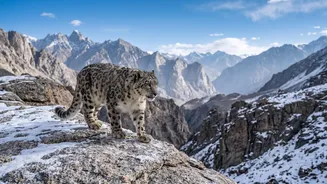
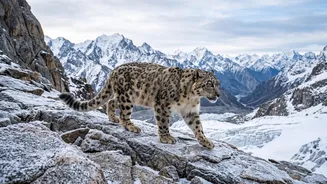
The safari will initially focus on three areas renowned for frequent snow leopard sightings. Rumbak valley, located within the famous Hemis National Park, has long been the epicentre of snow leopard tourism. Its high density of prey like the blue sheep (bharal) makes it a prime hunting ground for the cats, especially in winter. The Shang Valley, also part of the greater Hemis area, is another key identified zone. To the west, Uley in the Sham Valley region offers a different landscape for leopard spotting, long identified by conservationists as a crucial habitat. These areas form the first official circuits for the new vehicle-based safaris.
What to Expect on Safari
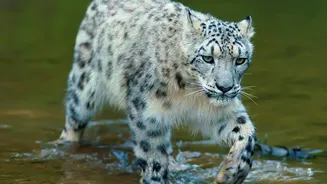
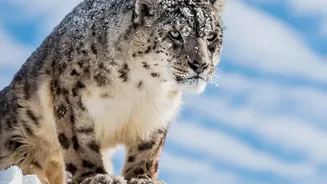
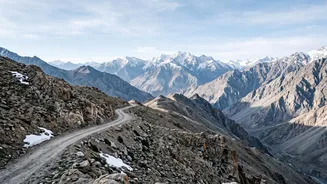
This isn't your typical jeep safari. The expedition takes place at altitudes between 2,750 and 5,000 meters, requiring travellers to be in good physical health and to spend a few days acclimatising in Leh before venturing into the mountains. The safaris use open-back vehicles driven by trained local drivers and are accompanied by expert wildlife guides and spotters. These local trackers, who grew up in these mountains, possess an unparalleled understanding of the snow leopard's behaviour and use spotting scopes to scan the vast, rugged terrain. While a sighting is never guaranteed, Ladakh is home to an estimated 477 snow leopards, the largest population in India, making it the best place in the world to try your luck.
The Best Time for an Expedition
The prime season for a snow leopard safari is during the harsh winter months, generally from November through March. During this time, heavy snowfall in the upper reaches forces the snow leopard’s main prey, such as blue sheep and ibex, down into the lower, more accessible valleys. The predators naturally follow their food source. This seasonal compression of wildlife into tighter valley systems is what makes sightings possible. While February and March have traditionally been marketed as 'peak season' due to mating behaviour and more tourist activity, experts note that sighting probabilities are statistically similar throughout the entire winter period.
Conservation Through Community
This new safari model is about more than just tourism; it's a conservation strategy. By creating sustainable livelihood opportunities for local youth and communities as guides, drivers, and homestay operators, the initiative gives them a direct stake in protecting the snow leopard. Previously, these cats were often seen as a threat to livestock. Now, they are the main attraction of a conservation-linked economy. A portion of the revenue and fees generated from tourism directly funds conservation efforts, including the construction of predator-proof livestock corrals, which helps mitigate human-wildlife conflict.