






Why We Soak Dals in the First Place
Soaking dal before cooking is a traditional step that does more than just soften the lentils. It's a crucial process for making them easier on your stomach. Dals contain compounds like phytic acid and oligosaccharides, which can be tough to digest and may
cause bloating or gas. Phytic acid can also interfere with your body's ability to absorb essential minerals like iron, zinc, and calcium. Soaking helps break down these anti-nutrients. This simple step activates enzymes within the lentils, which not only improves nutrient absorption but also significantly cuts down on cooking time, saving both fuel and effort. A well-soaked dal cooks more evenly, resulting in a creamier, more desirable texture.
The Two Faces of Moong Dal
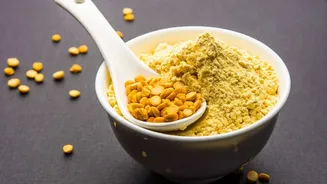
Not all moong dal is created equal, and the type you're using dictates the soaking time. There are two main varieties you'll find in an Indian kitchen: split yellow moong dal (dhuli moong) and whole green moong dal (sabut moong). The yellow version is the same as the green, just with the outer skin removed and the lentil split in half. This lack of skin makes it incredibly quick to cook and much easier to digest, which is why it’s often recommended for children or those recovering from an illness. Whole green moong, with its fiber-rich skin intact, is heartier and requires a more thorough soak to soften up and become easily digestible.
The Golden Window: Soaking Times for Moong
For split yellow moong dal, a short soak is all you need. Many cooks find that 15 to 30 minutes is sufficient to soften it. Some sources even say you can get away with no soaking at all, though a quick dip helps with texture and digestion. If you're aiming for an exceptionally creamy dal, soaking for up to two hours is a good option. For whole green moong dal, the game changes. A longer soak is non-negotiable for breaking down its tough exterior. Aim for a soaking time of at least 4 to 6 hours. Some recipes suggest 3 to 4 hours will do the trick, especially if you're using a pressure cooker. If you have the time, an overnight soak of around 8 hours is also a common practice that ensures the dal is perfectly soft.
What Happens If You Under-Soak?
Forgetting to soak dal is a common kitchen mishap, but it has consequences. If you under-soak whole green moong, you'll find yourself with a dal that takes significantly longer to cook and may never reach that soft, creamy consistency you desire. The more significant issue, however, is digestive discomfort. The complex sugars and anti-nutrients that soaking helps to break down will remain, increasing the likelihood of bloating and gas after your meal. For split yellow moong, the effects are less dramatic, but you might still notice a longer cooking time and a less smooth final dish.
The Perils of Over-Soaking
Yes, you can soak dal for too long. If lentils are left in water for more than 12 hours, especially in a warm environment, they can begin to ferment. You might notice a slightly sour smell or even some bubbles in the water. While fermented dal is used in specific dishes like dosa, it's not what you want for a standard dal tadka, as it can impart an 'off' taste. Over-soaking can also cause the dal to lose some of its structure and turn mushy during cooking. To avoid this, if you need to soak lentils for an extended period, drain them and store them in the refrigerator, where they can last for a day before cooking.