





The Allure of Analogue
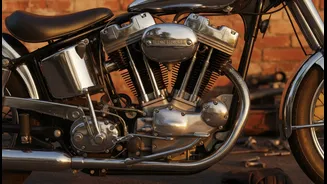
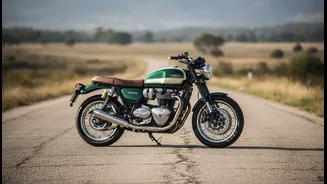
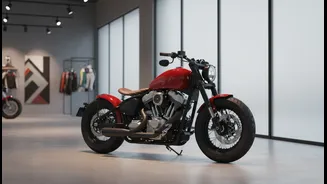
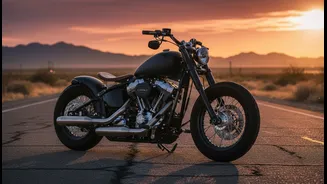
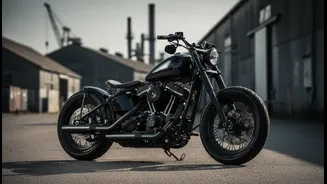
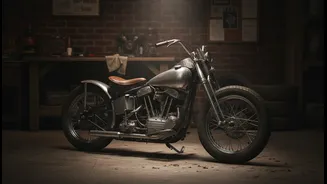
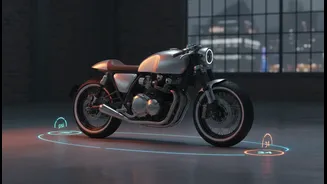
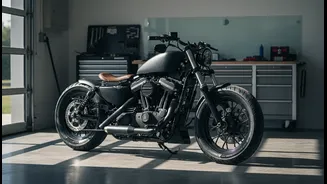
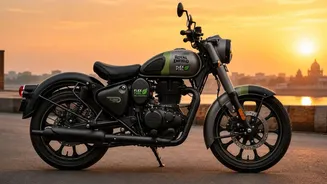
There’s an undeniable appeal to motorcycles that look like they’ve rolled straight out of the 1960s. This design trend, often called 'modern classic' or 'neo-retro', is about capturing the spirit of a bygone era. Think round headlamps, teardrop-shaped
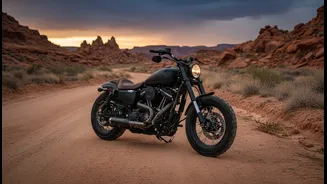
fuel tanks, and an emphasis on the engine as the centrepiece. It’s a style that celebrates mechanical simplicity, or at least the appearance of it. Brands like Triumph with their Bonneville series, Royal Enfield, and even Harley-Davidson with models like the new-for-2026 Deadwood, have perfected this look. The goal is to evoke a sense of nostalgia and rebellious freedom, harking back to an age before motorcycles were laden with visible electronics and complex digital displays. This 'Deadwood' style is not just about looks; it's about a feeling—the idea of a direct connection between rider, machine, and road, unmediated by technology. But that feeling is now, more than ever, a carefully crafted illusion.
The Invisible Electronic Guardian
The biggest secret hiding under the vintage-inspired bodywork is the advanced suite of rider aids, chief among them being lean-sensitive electronics. Often called cornering ABS or Motorcycle Stability Control (MSC), this technology is a massive leap in safety. It relies on a sophisticated piece of hardware called an Inertial Measurement Unit, or IMU. This tiny box constantly measures the bike’s pitch, roll, and yaw, effectively knowing its exact lean angle at all times. When you brake or accelerate in a corner, the system uses this data to modulate the brakes and throttle. Instead of the wheel locking up or spinning—a high-risk situation when leaned over—the system applies just the right amount of force to keep you stable and on your intended path. It’s an invisible safety net that makes riding in unpredictable conditions significantly safer, without spoiling the clean, classic lines of the bike.
More Than Just Tyre Pressure
Another piece of modern magic is the Tyre Pressure Monitoring System (TPMS). While it sounds simple, a TPMS is a crucial safety feature that has only recently become common on motorcycles, especially those with minimalist designs where an extra gauge would look out of place. This system uses small, wireless sensors mounted inside each wheel to provide real-time data on tyre pressure. If the pressure drops below a safe level, a discreet warning light appears on the instrument cluster, which itself is often a simple, analogue-style dial with a small embedded digital screen. This prevents riders from unknowingly riding on under-inflated tyres, which can lead to poor handling, reduced fuel economy, and even catastrophic blowouts. Paired with other hidden tech like traction control, multiple ride modes, and even Bluetooth connectivity for turn-by-turn navigation displayed on a tiny LCD, these bikes offer modern convenience in a classic package.
Why Modern Tech Hides in Plain Sight
So why are manufacturers going to such great lengths to hide this technology? The answer lies in the market. Today’s riders, particularly in the growing premium segment in markets like India, want the best of both worlds. They desire the timeless, rugged aesthetics of classic bikes but are unwilling to accept the compromises in safety and reliability that came with them. Integrating features like cornering ABS and TPMS allows a rider to enjoy the pure visual appeal of a vintage machine while benefiting from a safety net that even professional racers now rely on. It’s a design philosophy that acknowledges that while the spirit of riding is about freedom, the reality of modern roads requires modern solutions. This trend has fueled a boom in the neo-retro category, with manufacturers from Royal Enfield and Triumph to Yamaha and Kawasaki all offering models that blend heritage with cutting-edge electronics.