






As autumn arrives in Bihar, the air fills with a unique devotion for Chhath Puja, the state’s most profound festival. This guide explains its two most sacred rituals, Sandhya and Usha Arghya, and where to witness this moving spectacle in 2026.
The Essence of Chhath Puja
Chhath Puja
is a four-day Hindu Vedic festival dedicated to the Sun God, Surya, and his consort, Usha, often called Chhathi Maiya. It is celebrated to thank the sun for sustaining life on earth and to pray for prosperity, well-being, and longevity. The festival, observed primarily in Bihar, Jharkhand, and eastern Uttar Pradesh, is unique in its simplicity and direct communion with nature. There are no idols or priests; just devotees, fasting with immense discipline, and offering prayers at riverbanks and ponds. In 2026, the festival runs from November 13 to November 16, with the main events occurring on the final two days.
Gratitude at Sunset: Sandhya Arghya
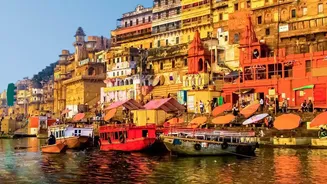
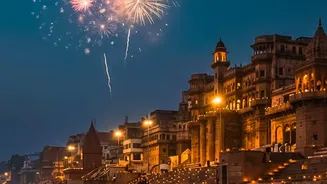
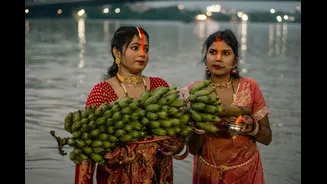
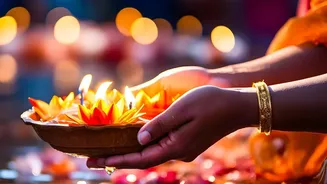
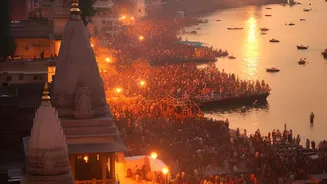
The third day, falling on Sunday, November 15, 2026, is defined by Sandhya Arghya, the evening offering. This is arguably the visual climax of the entire festival. As dusk approaches, families gather at the ghats. Devotees, known as 'vratis', stand waist-deep in the water and offer prayers and 'arghya' (offerings of milk and water) to the setting sun. They hold bamboo baskets filled with fruits, sugarcane, and a special sweet called 'thekua'. Chhath is one of the few festivals that honours the setting sun, a poignant reminder that endings hold the same sanctity as beginnings. The sight of thousands of diyas floating on the water as the sun disappears creates a mesmerising picture of devotion.
Hope at Sunrise: Usha Arghya
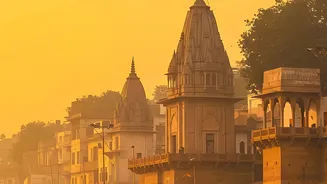
The festival concludes on the morning of the fourth day, Monday, November 16, 2026, with Usha Arghya. Long before dawn, the ghats once again fill with devotees. They return to the same spot in the water to greet the first rays of the rising sun with offerings and prayers. This ritual symbolises new beginnings, hope, and the renewal of life. Only after completing Usha Arghya do the vratis break their rigorous 36-hour nirjala fast, which they began after the Kharna ritual on the second day. The fast is broken with a small piece of ginger and water, followed by the sharing of prasad with family and community members, marking the joyful end of the observance.
Bihar's Chhath Hotspots
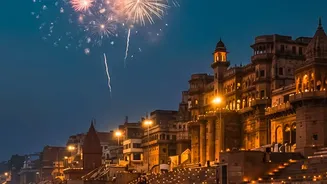
Patna, the state capital, is the heart of Chhath celebrations. The ghats along the Ganga, such as Gandhi Ghat, Collectorate Ghat, and Digha Ghat, draw immense crowds and are meticulously managed by local authorities. For a different experience, the Sun Temple at Deo in Aurangabad district is a major pilgrimage site, known for its unique west-facing temple that attracts huge numbers of devotees. In Gaya, the banks of the Falgu River become a centre for the rituals. Smaller towns like Bhagalpur offer a more intimate and traditional experience along the Ganga, where the devotion feels deeply personal and heartfelt. The Mithila region, including Darbhanga, is known for its pond-based celebrations, rich with local folk songs and customs.
Essential Travel Tips for 2026
If you plan to travel to Bihar for Chhath, booking your transport and accommodation well in advance is critical. Trains and flights to Patna fill up months ahead of the festival dates. The peak travel rush occurs in the days leading up to Sandhya Arghya (roughly November 11–14). When visiting the ghats, plan to arrive several hours early, as roads near the riverfront are often closed to traffic and large crowds gather well before the rituals begin. Dress modestly, wear comfortable shoes, and be prepared for chilly mornings. Always be respectful when observing or photographing the rituals; ask for permission before taking pictures of devotees and never step on offerings. Accepting prasad when offered is considered a blessing.