







A Daring Break From Tradition
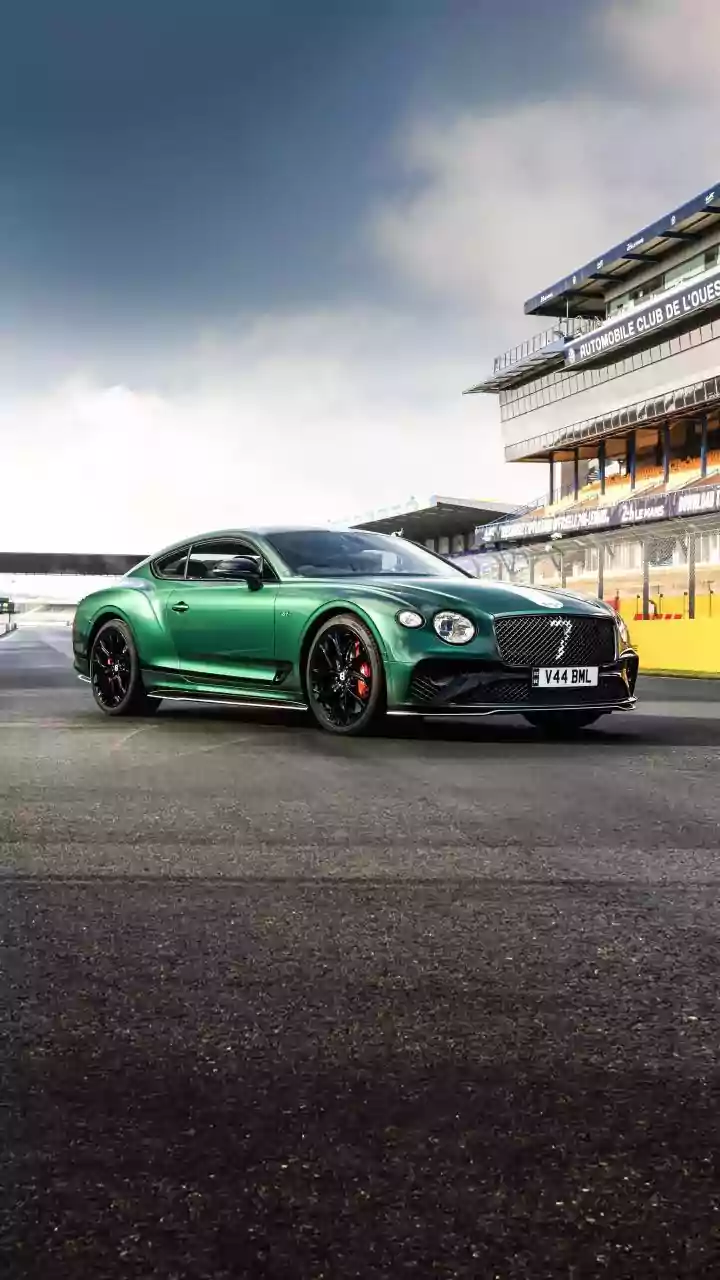
Bentley has pulled the covers off a stunning new option for its most hardcore grand tourer, the Continental Supersports. But it's not the power that’s making headlines first; it's the paint. Created by Bentley's bespoke division, Mulliner, the new 'Design
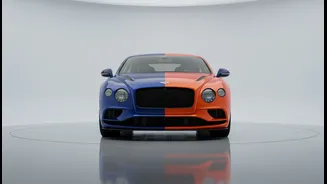
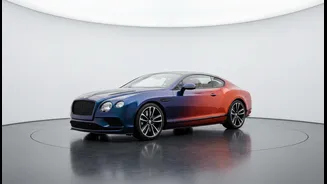
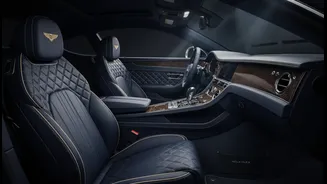
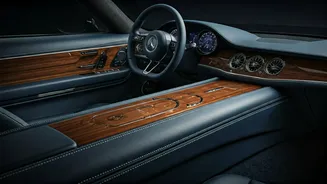
Theme' introduces a visual treatment unlike anything the storied British brand has done before. It features an asymmetrical, side-to-side paint fade that transitions across the entire width of the car. One side begins in a dark, imposing shade and gradually melts into a vibrant, brighter colour on the opposite side. To accentuate the look, an off-centre racing stripe runs the length of the car, further disrupting any sense of perfect balance. This bold aesthetic carries through to the interior, where a two-tone layout clearly separates the driver's side from the passenger's, using contrasting hides and accent colours to create a distinctly driver-focused cockpit.
Is It Form or Function?
While the Supersports is a serious performance machine, this particular design choice is rooted firmly in aesthetic rebellion and brand positioning. The asymmetry is a deliberate effort to create a more dynamic, modern, and visually arresting vehicle. Mulliner is offering the theme in three distinct combinations: 'Dragon' (Black Crystal to Dragon Red), 'Electric' (Dark Sapphire to Electric Blue), and 'Brodgar' (a subtle fade between two tones of the same colour). The goal is to reinforce the Supersports' character as the most driver-focused model in the Continental GT lineup. By using a brighter, more dominant colour on the driver's side, both inside and out, Mulliner visually cocoons the driver, making the passenger side feel like a secondary, more muted space. It’s a piece of automotive theatre, designed to make the person behind the wheel feel like the undisputed centre of the universe.
A Calculated Risk in Design
Asymmetry in car design is not new, but it remains a taboo for many mainstream and luxury manufacturers who prize predictability. Most cars are inherently asymmetrical due to functional needs—think fuel doors, wipers, and driver-angled consoles—but it is rare for a brand to make imbalance a core aesthetic feature. The new Supersports Design Theme, set for a public debut at the Goodwood Festival of Speed, is a calculated risk. In a world where luxury often means flawless, repeatable perfection, introducing an element that is intentionally off-balance is a way to signal confidence and cater to a customer who wants something truly unique. Production is limited to just 500 cars, making it a highly exclusive platform for such a daring design statement. This move aligns Bentley with a broader design trend that sees asymmetry as a tool for creating interest, movement, and emotional connection—a departure from the sometimes sterile feel of perfect balance.
More Than Just a Pretty Face
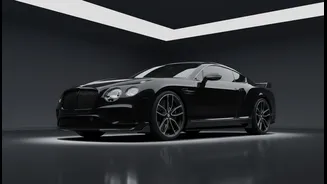
This striking look is backed by formidable performance. The 2026 Supersports is the most driver-oriented Continental GT ever, featuring extensive weight reduction and motorsport-inspired engineering. It uses a non-hybrid, 4.0-litre twin-turbocharged V8 producing 657 horsepower, sent exclusively to the rear wheels. The car has shed significant weight compared to its siblings, tipping the scales at under 2000 kg, making it the lightest Bentley in decades. This focus on purist performance is what the asymmetrical design aims to communicate visually. It screams that this is not your typical, comfortable Bentley GT. It is a machine built with a different purpose, one that prioritises the thrill of the drive over serene cruising. This design is Bentley's way of telling the world it can be both a bastion of traditional luxury and a forward-thinking, risk-taking innovator.