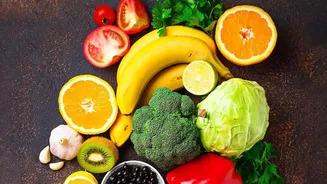








Why Your Diet Needs a Monsoon Makeover
The rainy season creates an environment where bacteria and viruses thrive, increasing the risk of illnesses like the flu, stomach infections, and water-borne diseases. High humidity can also slow down our digestive system, making us feel bloated and lethargic.
A thoughtful diet adjustment is crucial not just for comfort, but for building a strong immune defence. Eating light, fresh, and nutrient-dense meals helps your body cope with these seasonal pressures. Key strategies include choosing immunity-boosting foods, ensuring proper hygiene, and avoiding items that can easily become contaminated.
Citrus Fruits: Your Vitamin C Shield
Citrus fruits like oranges, lemons (nimbu), and Indian gooseberry (amla) are excellent additions to a monsoon diet. They are packed with Vitamin C, a powerful antioxidant that is essential for strengthening the immune system. Vitamin C helps the body produce more white blood cells, which are the primary cells that fight off infections. Enjoying a glass of warm lemon water in the morning or adding a squeeze of lime to your dals and salads can provide a much-needed immunity boost, helping you fend off common colds and flu that are prevalent during this season.
Spinach: A Green Powerhouse, Cooked Right
Leafy greens like spinach often get a bad reputation during the monsoon due to a higher risk of contamination from mud and germs. However, avoiding them entirely means missing out on vital nutrients like iron, vitamins, and fibre that support overall health. The key is preparation. Instead of eating them raw in salads, it is safer to consume leafy vegetables thoroughly cooked. Washing spinach well and cooking it into dishes like palak paneer, saag, or adding it to soups ensures you get its nutritional benefits while destroying any harmful microbes.
Almonds: A Nutrient-Dense Snack
For a healthy and energy-boosting snack during lethargic rainy days, almonds are an excellent choice. They are a rich source of Vitamin E, another potent antioxidant that supports immune function. Almonds also provide protein, healthy fats, and magnesium, which help maintain energy levels and support gut health—a cornerstone of a strong immune system. A handful of raw or lightly roasted almonds can be a perfect mid-meal snack, keeping you full and nourished while helping your body defend against seasonal ailments.
Beyond the Basics: More Monsoon Allies
To further fortify your diet, consider incorporating other monsoon-friendly foods. Spices like turmeric (haldi), ginger (adrak), and garlic (lahsun) have natural anti-inflammatory and antibacterial properties. Warm, light meals like khichdi and vegetable soups are easy to digest and incredibly comforting. Probiotic-rich foods like homemade curd and buttermilk support gut health, which is directly linked to immunity. Seasonal fruits such as pomegranates, apples, and pears are also great choices to include for their antioxidant benefits.
Foods to Approach with Caution
Just as important as what you eat is what you avoid. It's best to steer clear of unhygienic street food, especially items like pani puri where water contamination is a risk. Limit heavy, oily, and fried foods as they are difficult to digest and can lead to bloating and acidity. It's also wise to avoid raw salads and cut fruits sold by street vendors, as they are more exposed to contamination. Opting for freshly prepared, home-cooked meals is always the safest and healthiest strategy during the rainy season.