







What is 'Operation Economic Outcast'?
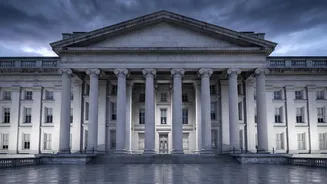
On August 24, 2026, the U.S. Treasury Department announced a new initiative dubbed "Operation Economic Outcast.". Described by Treasury Secretary Scott Bessent as an "economic D-Day," the campaign aims to sever Iran's remaining connections to the global
economy. Rather than only sanctioning Iranian entities, the new measures significantly expand the use of secondary sanctions. This means any foreign bank, business, or government that facilitates trade with Iran could be cut off from the U.S. dollar-based financial system. The administration has put Iran's trading partners on notice, warning them to choose between doing business with Tehran or with Washington.
Which Sectors Are Being Targeted?
The latest measures specifically target five sectors of the Iranian economy that the U.S. says are used to fund the government and its military activities. These include shipping, aviation, gold, technology, and digital assets like cryptocurrency. Alongside these sectoral sanctions, the Treasury Department designated nearly 60 new individuals, companies, and vessels allegedly involved in helping Iran evade existing sanctions, particularly through the illicit trade of petroleum and petrochemical products. These networks, often called a "shadow fleet," use deceptive practices to transport and sell Iranian oil, generating crucial revenue for the state.
The Impact on Iran's Trading Partners
The new strategy poses a significant diplomatic risk for the U.S. as it directly pressures some of Iran's major trading partners, including China, India, Turkey, and the United Arab Emirates. While the U.S. has so far stopped short of immediately sanctioning major Chinese banks, the threat is now explicit. In response to the pressure, the UAE announced it was suspending trade ties with Iran. China, Iran's biggest oil customer, criticized the move, stating it would only escalate tensions. Analysts believe the true test of the campaign's effectiveness will be whether Washington is willing to enforce these sanctions against major Chinese financial institutions.
Iran's Worsening Economic Crisis
These measures come at a time when Iran's economy is already in a dire state after months of conflict and existing sanctions. The Iranian currency, the rial, has plummeted to historic lows, crossing the two million to one US dollar mark on the informal market. The country is also facing crippling fuel shortages, leading to long queues at petrol stations. While Iranian officials have publicly dismissed the new sanctions, claiming the nation has decades of experience in withstanding such pressure, some analysts within Iran warn that the already weakened economy is far more fragile this time. One parliamentarian noted that military power cannot ensure survival if people are hungry and the economy is not functioning.
Tehran's Response and a Test of Wills
Iran has reacted with a mix of defiance and threats. Officials have called the sanctions illegal and warned of "grave consequences" for any country that cooperates with the U.S. The secretary of Iran's Supreme National Security Council suggested that increased economic pressure could lead to a shutdown of all oil exports through the strategic Strait of Hormuz, a move that would send shockwaves through global energy markets. Tehran is also seeking to strengthen economic ties with regional partners like Iraq to find alternative revenue streams and land-based trade routes to circumvent the U.S. pressure. The standoff sets the stage for a prolonged test of economic and political wills, with the U.S. betting it can isolate Iran before its partners decide the cost is too high.