






The Problem with Labels
A key source of confusion is the variety of phrases used on packaging, which are often mistaken as indicators of food safety. In India, a study confirmed that while most people check date labels, many don't know what they mean, leading to unnecessary
waste of perfectly edible food. The Food Safety and Standards Authority of India (FSSAI) has regulations, but consumer misunderstanding remains a major issue. It's crucial to know that most of these dates are about quality, not a strict deadline for when food becomes unsafe.
Decoding 'Best Before'
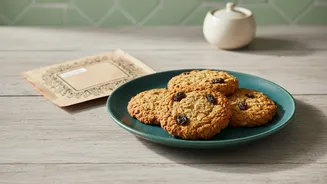
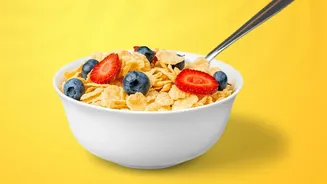
The 'Best Before' date is one of the most misunderstood labels. It signifies the period during which the food will be at its peak quality, retaining its best flavour and texture. According to FSSAI guidelines, beyond this date, the food may lose some of its quality but can still be perfectly safe to eat, provided it has been stored correctly. Think of it as a suggestion from the manufacturer for optimal experience, not a hard safety rule. This label is common on items with a longer shelf life, like cereals, biscuits, and canned goods.
Understanding 'Use By' and 'Expiry'
The 'Use By' or 'Expiry' date is the one to take most seriously. This label is about safety and is used on highly perishable foods such as fresh meat, dairy products, and ready-to-eat salads. Consuming food after this date can be risky, even if it looks and smells fine, as harmful bacteria could have grown. FSSAI regulations mandate that an 'Expiry/Use by' date must be declared on labels for such products. For these items, it is always best to adhere to the date to avoid potential foodborne illness.
What 'Sell By' Really Means
The 'Sell By' date is not for you, the consumer. This label is a guide for retailers, helping them with stock management by indicating how long a product should be on display. It is not a safety date. You can safely buy and eat many products after their 'Sell By' date has passed. For example, milk is often safe to drink for up to a week after its 'Sell By' date if it has been refrigerated properly. The key is proper storage and handling after you bring it home.
Trust Your Senses, Not Just the Date
Except for items with a strict 'Use By' date, your senses are your best guide to determine if food is still good. Before throwing something away based on a 'Best Before' date, inspect it. Look for signs of spoilage like mould, a change in colour, or a different texture than expected. An 'off' smell is another clear indicator that the food has gone bad. If a product shows any of these characteristics, it should be discarded regardless of the date on the package. Conversely, if it looks, smells, and feels fine, it is likely safe to consume.
The Bigger Picture: Food Waste in India
This confusion has a significant impact beyond individual households, contributing to India's larger food waste problem. Studies show that misunderstanding these labels leads consumers to throw away food that is still safe and nutritious. Educating yourself on the meaning of these terms is a powerful way to combat this issue. By making more informed decisions, you can reduce waste, save money, and lessen the environmental burden caused by discarded food. Standardizing labels and raising public awareness are key steps toward solving this widespread issue.